Introduction
Japan was the site of these Dessert Correspondents’ very first solo dessert travel way back in 2015, and just over ten years later, we still love it. From Tokyo to Kyoto and back again, we have published guides to the best wagashi in both cities (see here and here), Tokyo’s best sakura cherry blossom high teas, and Kyoto’s most evocative traditional tea house, ryokan tea experience, prettiest flower desserts and cherry blossom spots, and most Instagrammable character-themed dessert cafes. In this volume of our Japan dessert adventures, we venture further afield to Nagoya.
Chasing autumnal rainbows and custard puddings
Having grown up in Australia, a country where the leaves are eternally a dull green or a muddy brown, these Dessert Correspondents have always been enamoured with the change of seasons that is reflected in leaves in the Northern Hemisphere. For example, we have very fond memories of chasing autumnal rainbows when we lived in New York, while simultaneously also hunting down a range of fall desserts, such as apple cider doughnuts, maple syrup, and fall flavoured-ice cream, on those leaf peeping trips. Given that Japan is famed for its autumn season as well as for its desserts, it has always been a priority destination on our travel bucket list.
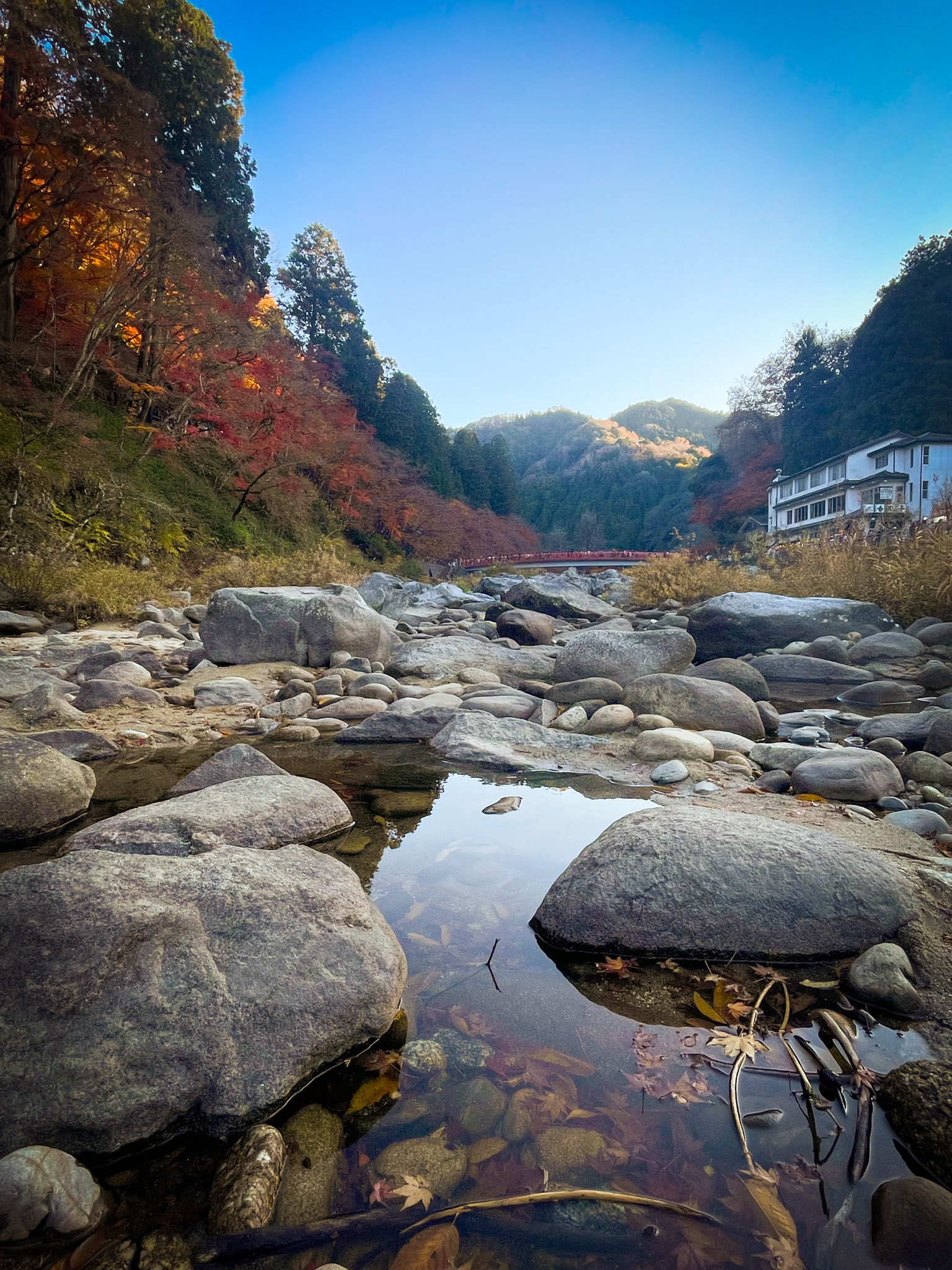
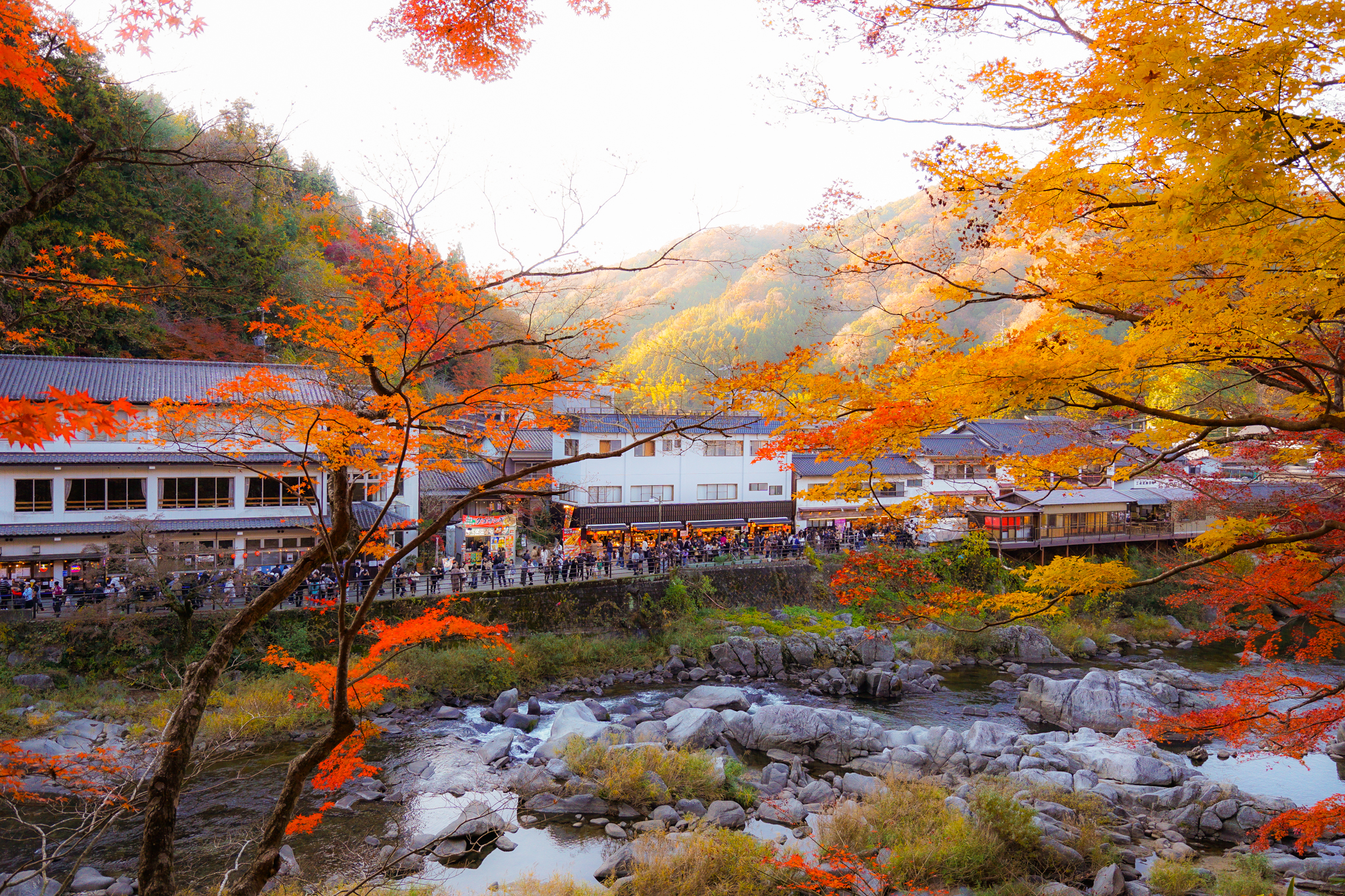
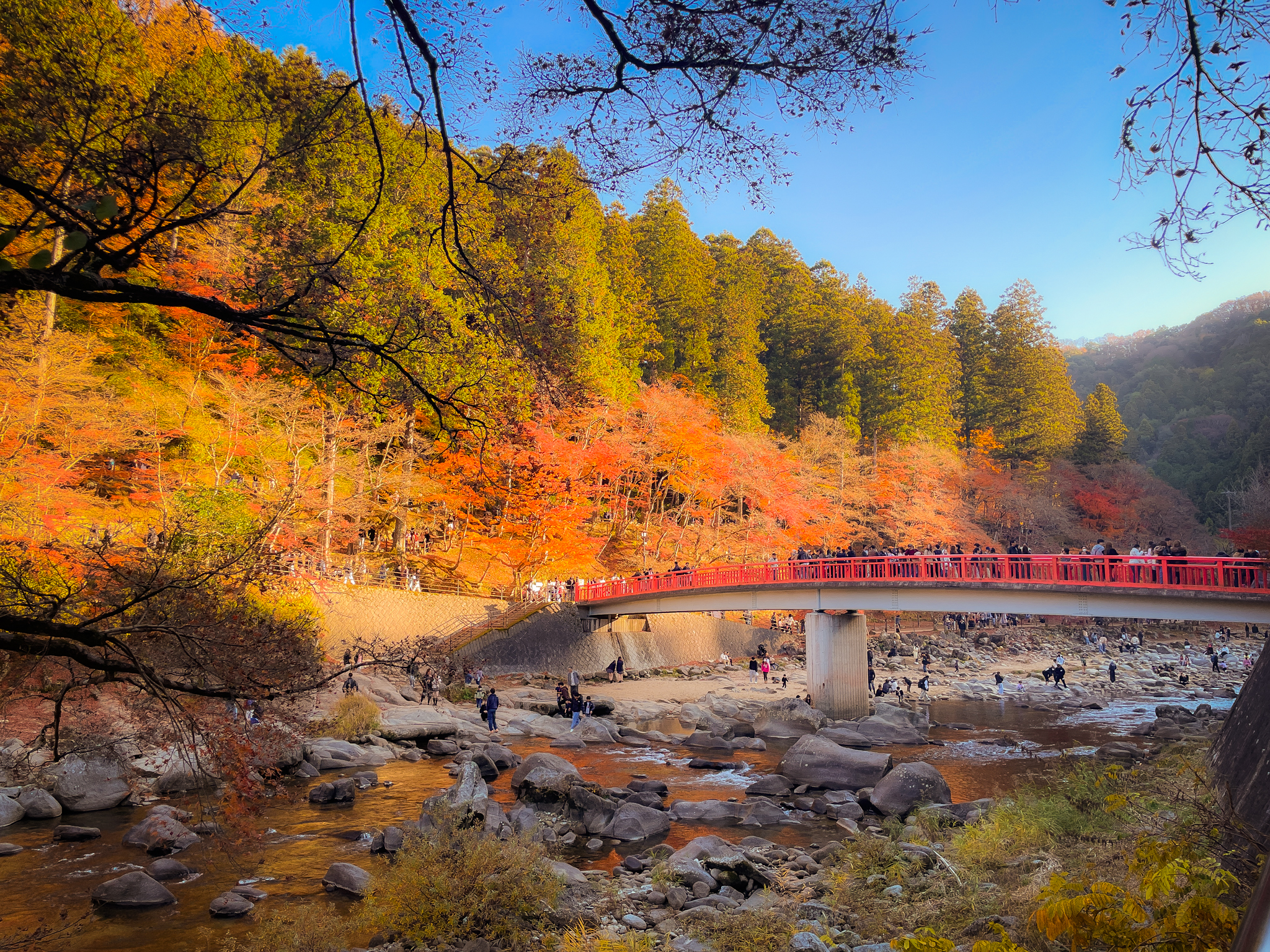
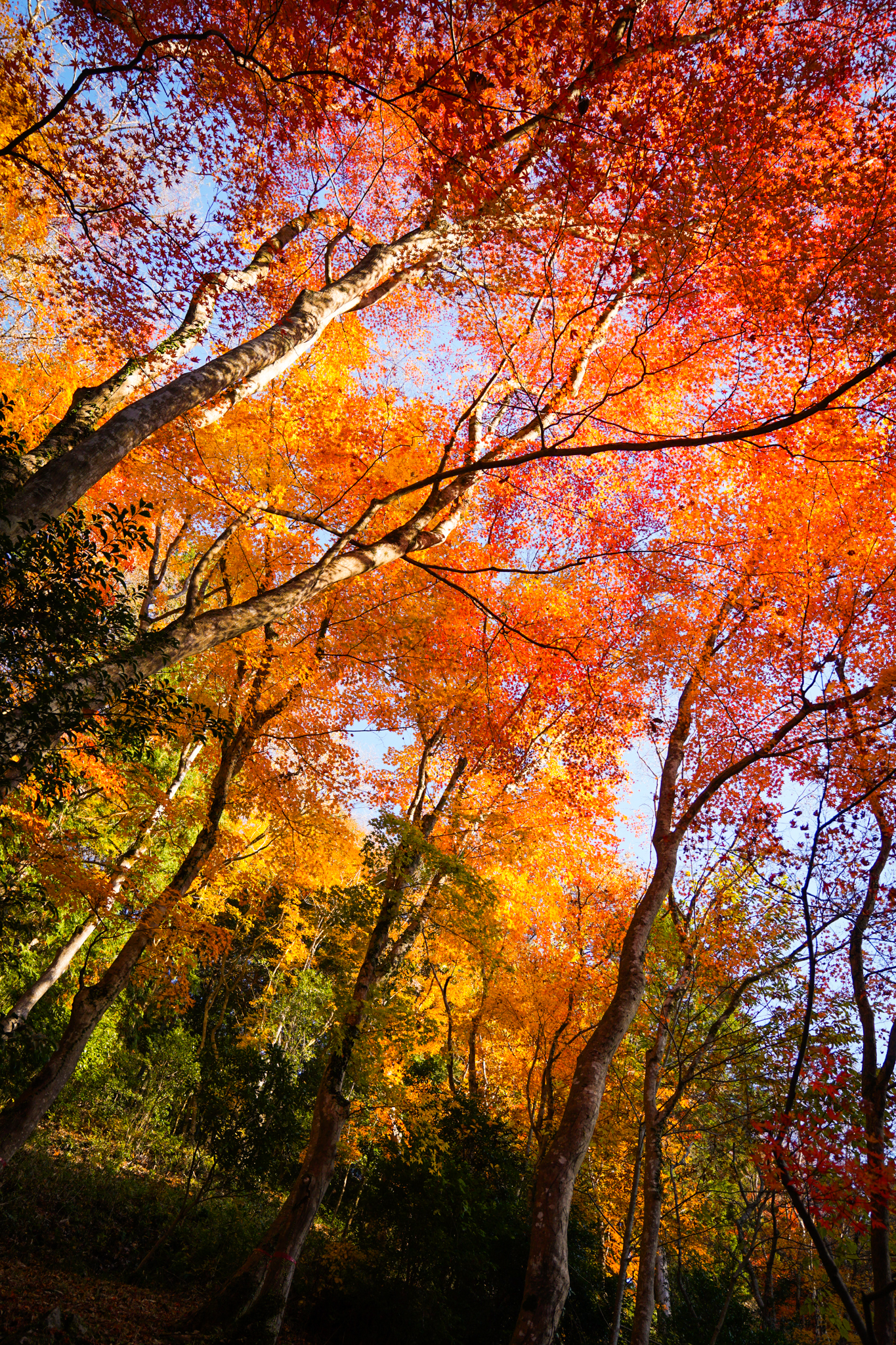
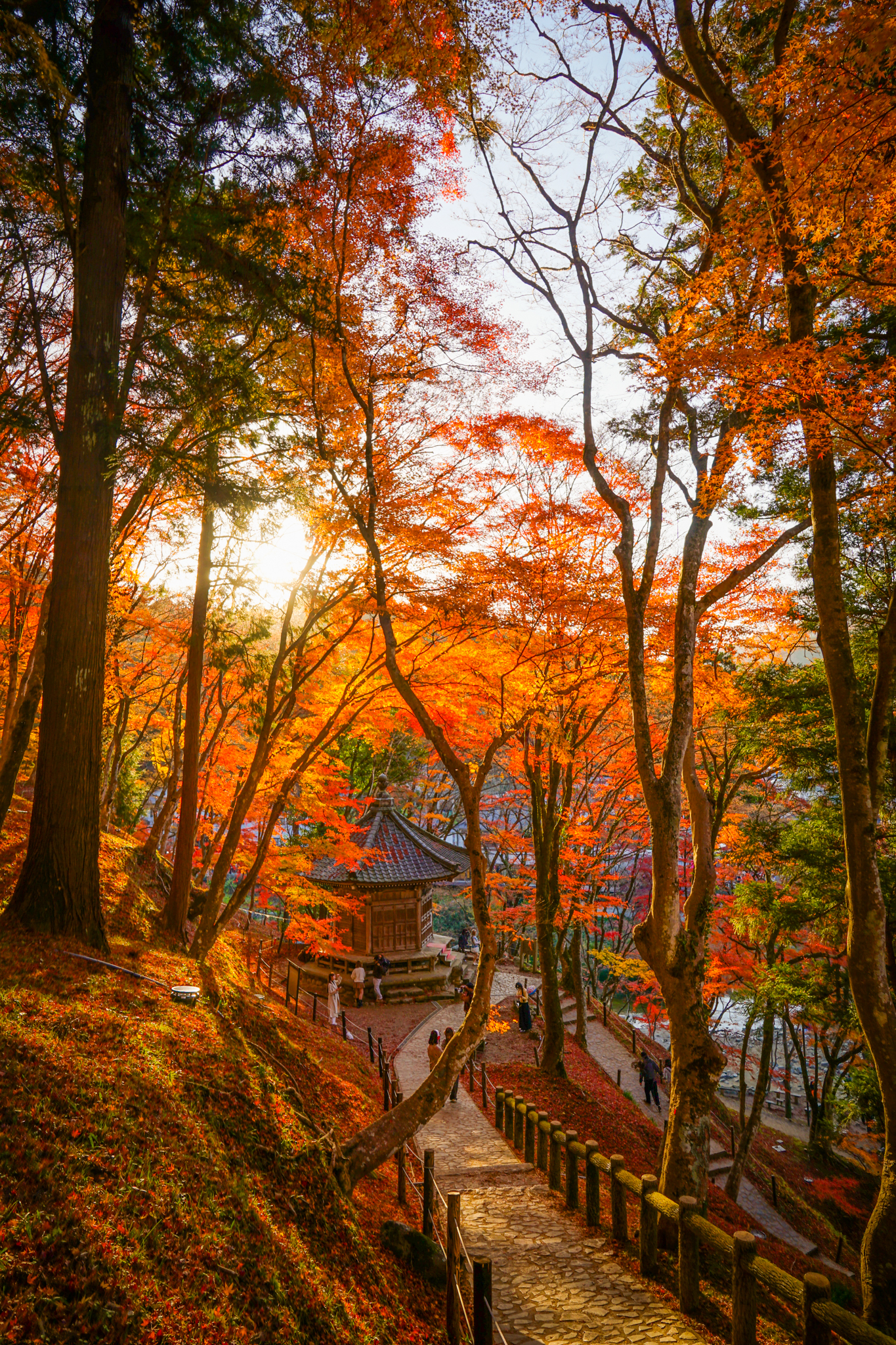
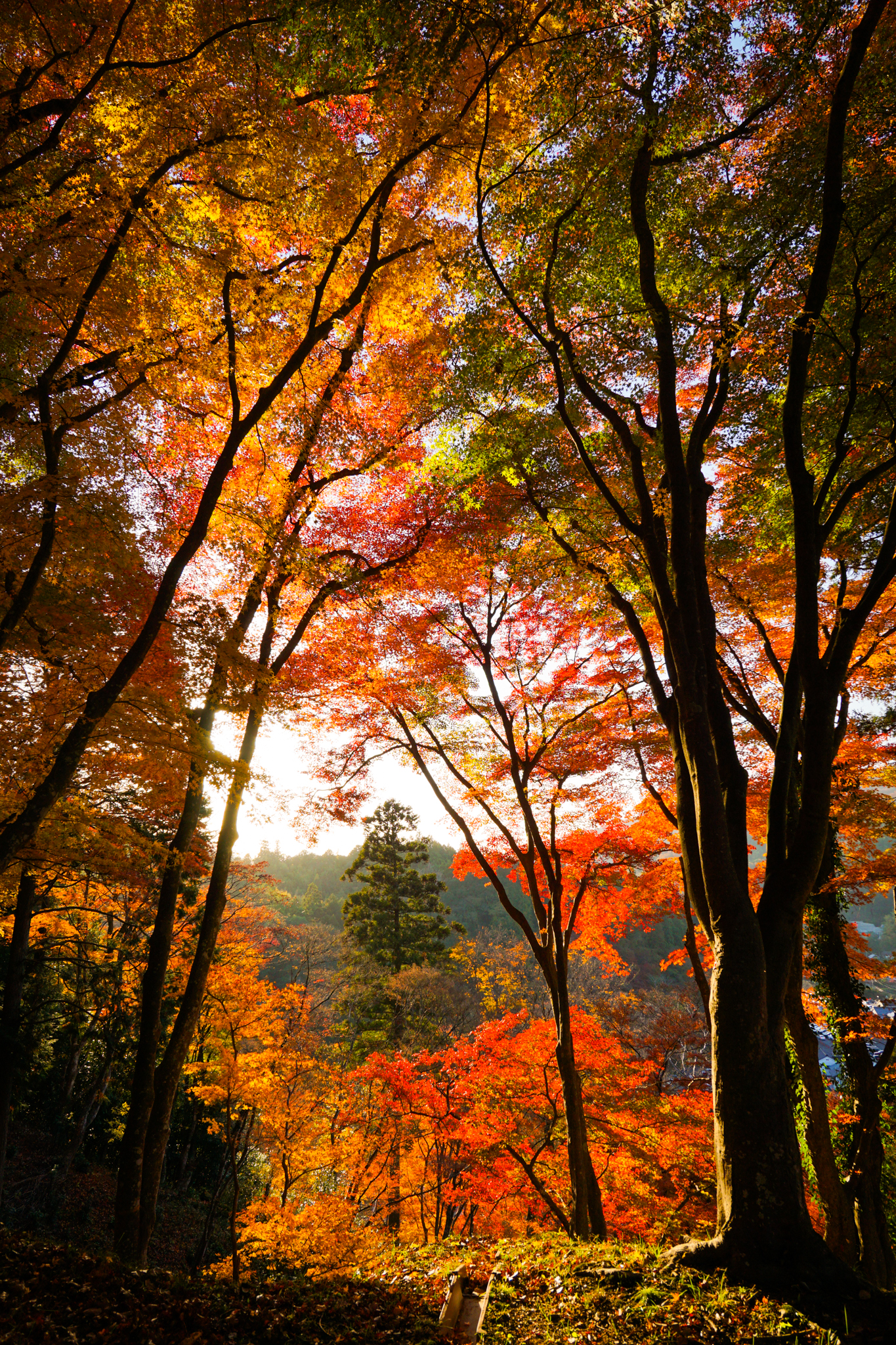
Over the course of three days in Nagoya last year, the three most iconic autumn leaf spots we visted were (i) Korankei, (ii) Obara and (iii) Shirakawago. The first – Korankei – requires a half day visit starting from the afternoon through to early evening. Compared to the likes of Mount Fuji, Tokyo or Kyoto, it does not feature on many international tourist maps for autumn colours, but for local Japanese people, it is one of the most famous autumn spots in the country. It is essentially a mountain valley gorge where striking garnet red and vermilion orange trees line the Tomoe River. You can walk along the riverbed or wind around slightly steep mountain paths cutting through thick forests of autumn trees. There is not much of a view from the top of the mountain, but the path upwards was magical during golden hour, with the sun’s prismatic glow on the leaves turning them almost iridescent. As dusk settles in, the riverside comes alive with a street food market and the trees along the river are also illuminated in a warm orange hue.
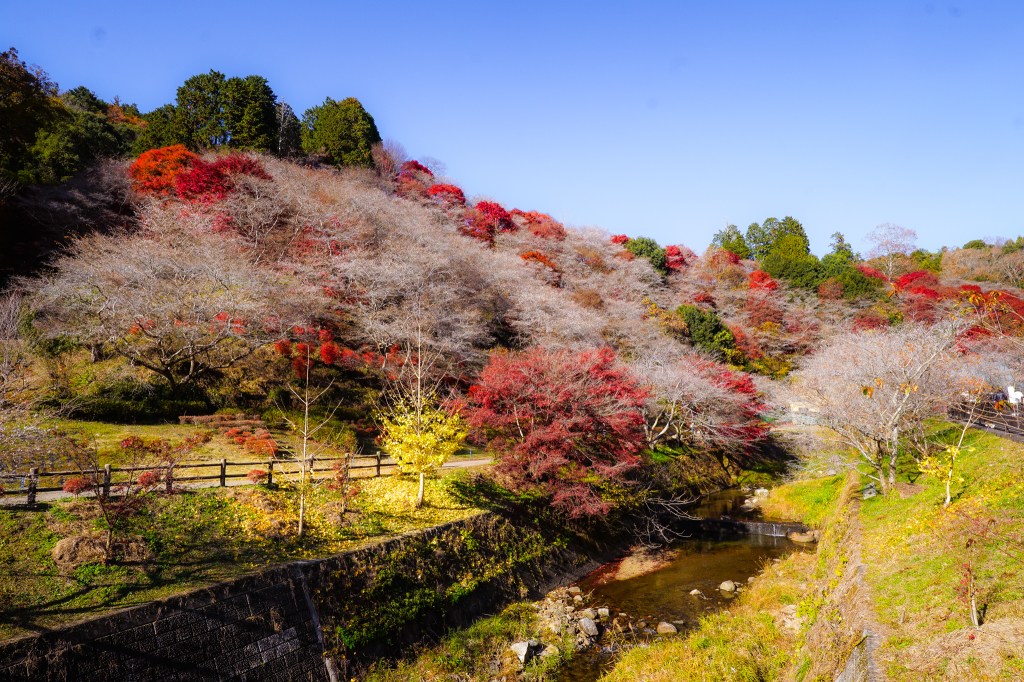
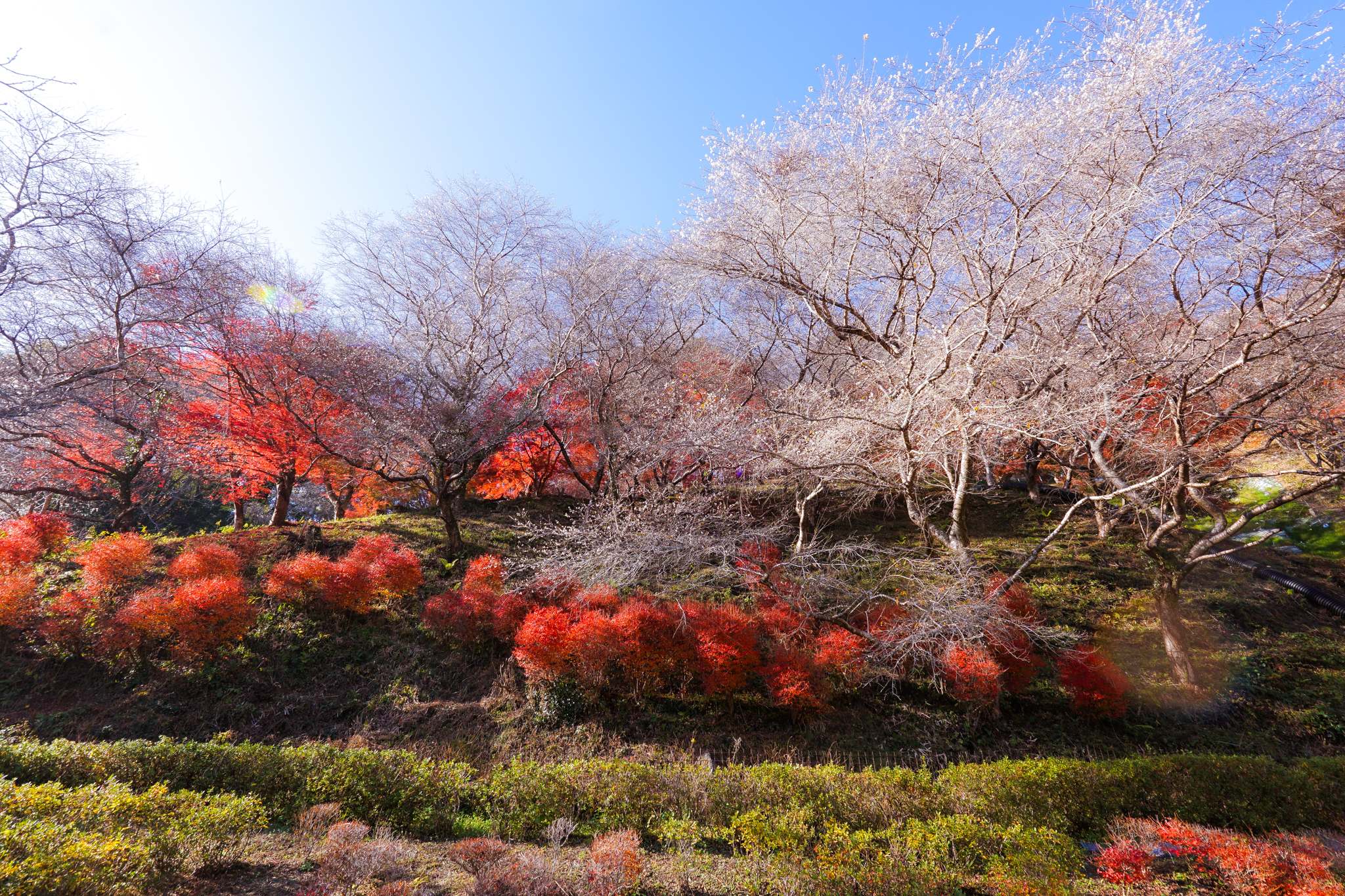
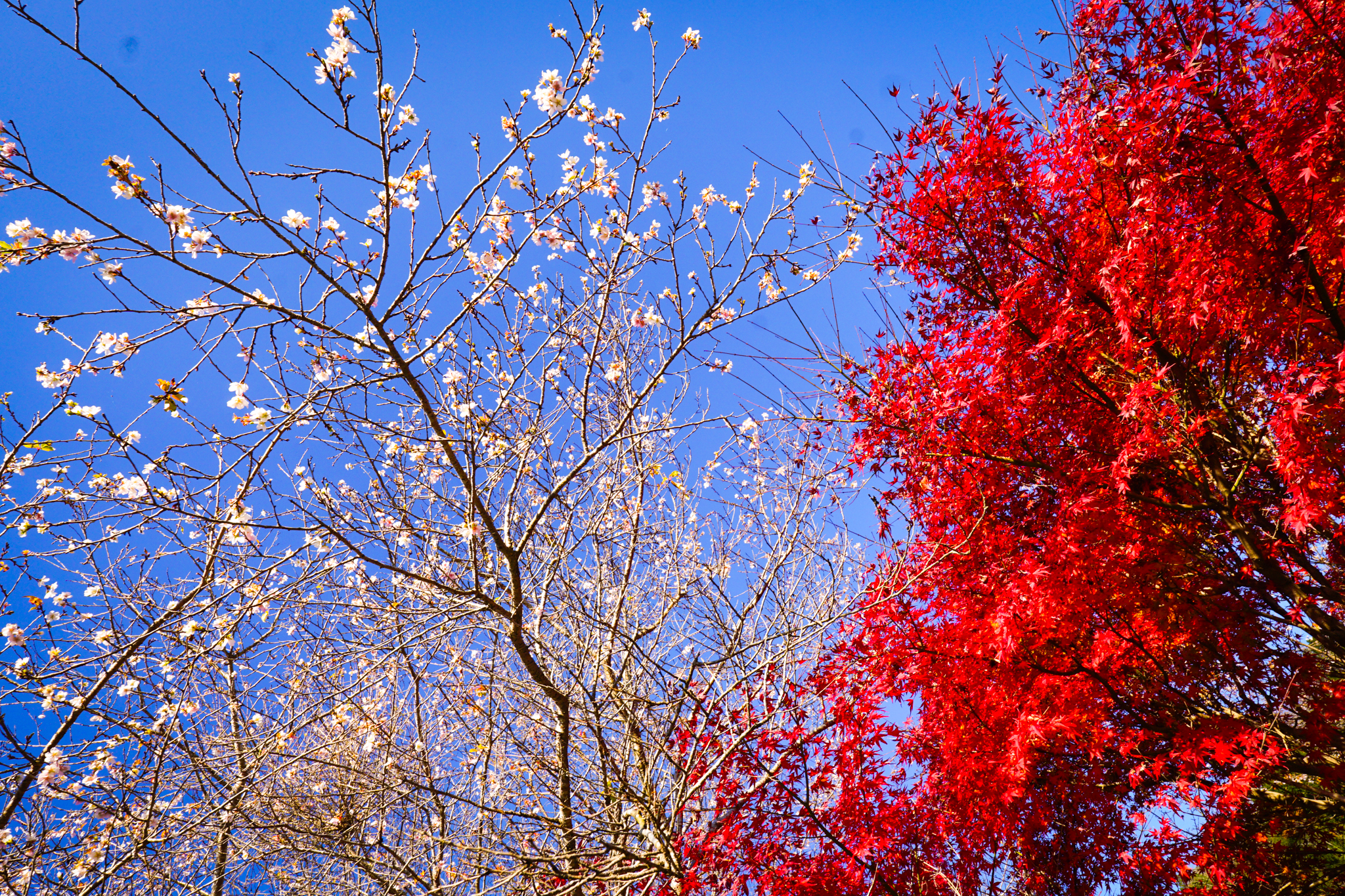
The second spot – Obara – is also worth about 1-2 hours of your time enroute to elsewhere. It is a hillside park best visited in the morning or around noontime, where the sunlight glints through a mass of snow white cherry blossoms curiously blooming at the same time alongside striking red autumn trees. The cherry blossom trees here are of the “Shikizakura” variety, which open twice a year, once during springtime, and another at autumn. Note that there is not much to do at Obara aside from strolling up the hill and back down again, and on our visit, there was just one little street food vendor peddling pre-packaged food and chips.
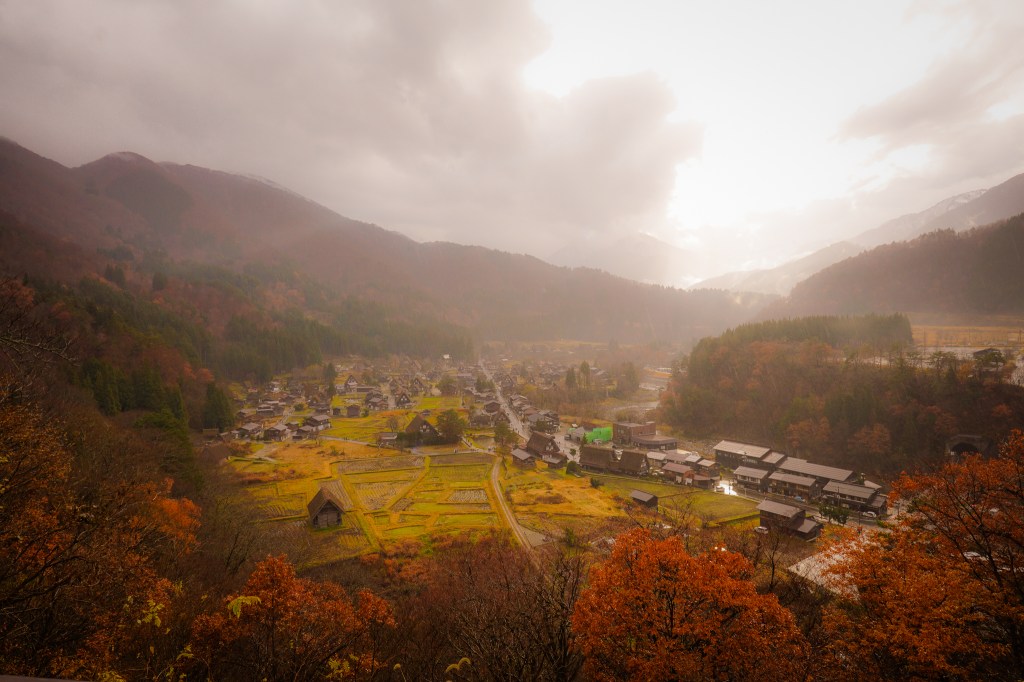
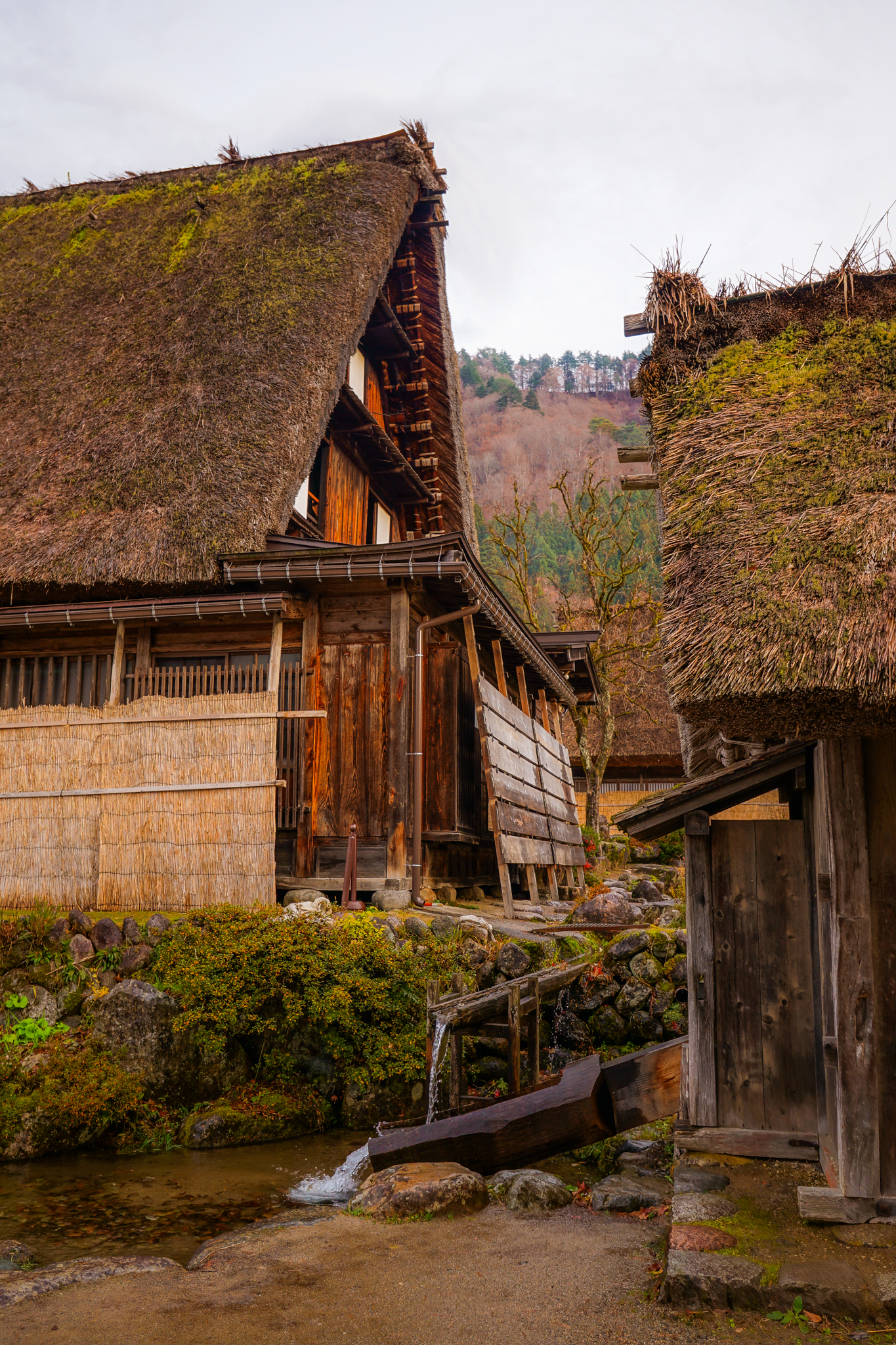
By contrast to Korankei and Obara, we have mixed feelings about UNESCO Heritage-listed Shirakawago. For us, it was like seeing the Mona Lisa. Captivating from afar, utterly underwhelming up close. That iconic snapshop of Shirakawago that is found in many travel guidebooks – a valley of fairytale-like wooden houses with grass rooftops cradled by foreboding mountains – is taken from an observatory deck perched on a neighbouring hill top. After snapping that photo, you can walk or take a shuttle down to the vast parking lot at the village’s entrance. The village itself is then accessed by walking across a long wooden suspension bridge. Once inside, it is a place that seems to have lost its soul long ago. Whereas for example, the thatched cottages of the Faroe Islands or the tulou villages in Fujian Province in China feel like living museums, Shirakawago felt little more than an odd parkland haphazardly strewn with half-abandoned houses and tractors. It was also decidedly more populated with tourists than locals. Even the very touristy Cotswolds in England felt more quaint.
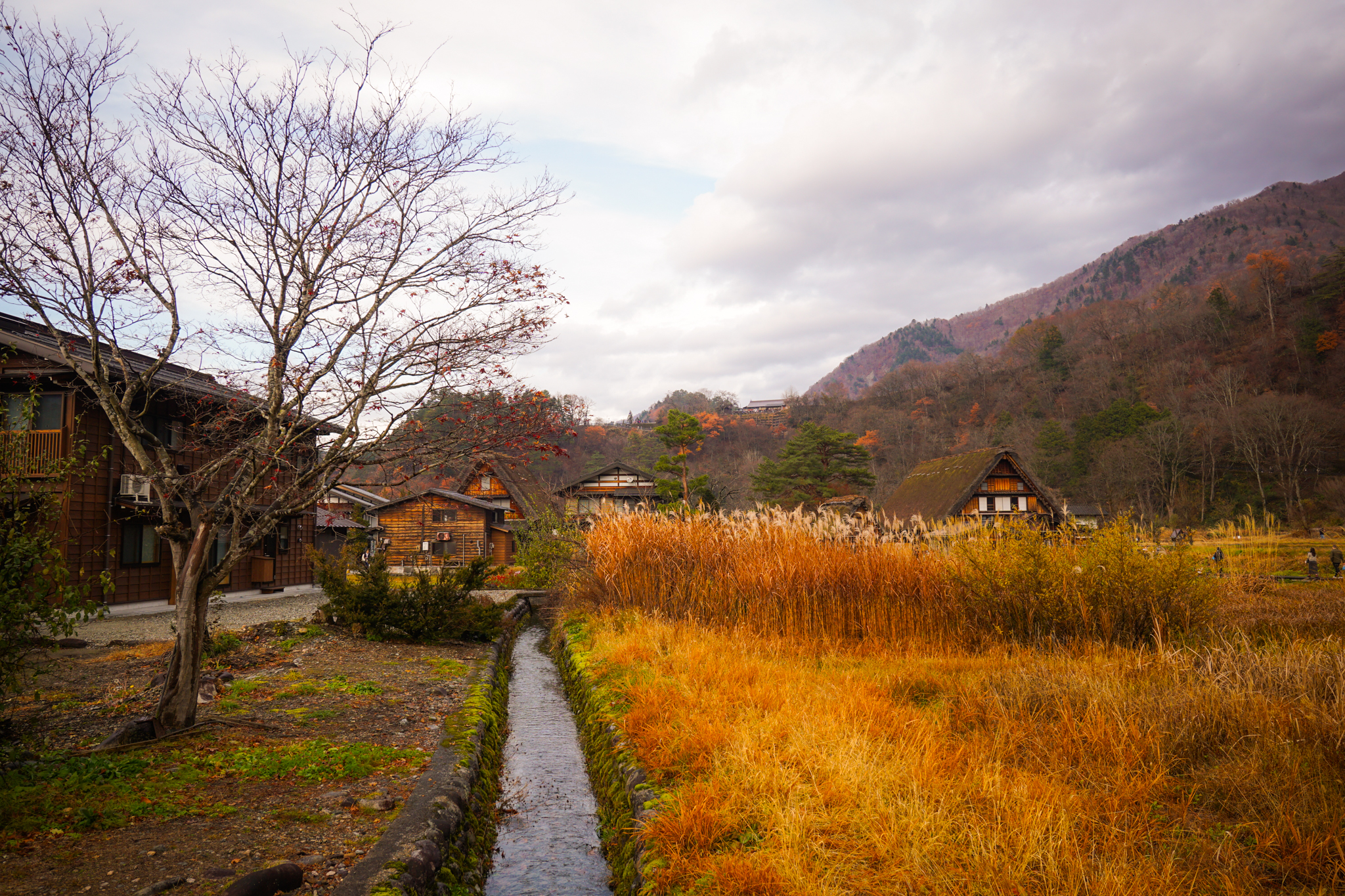
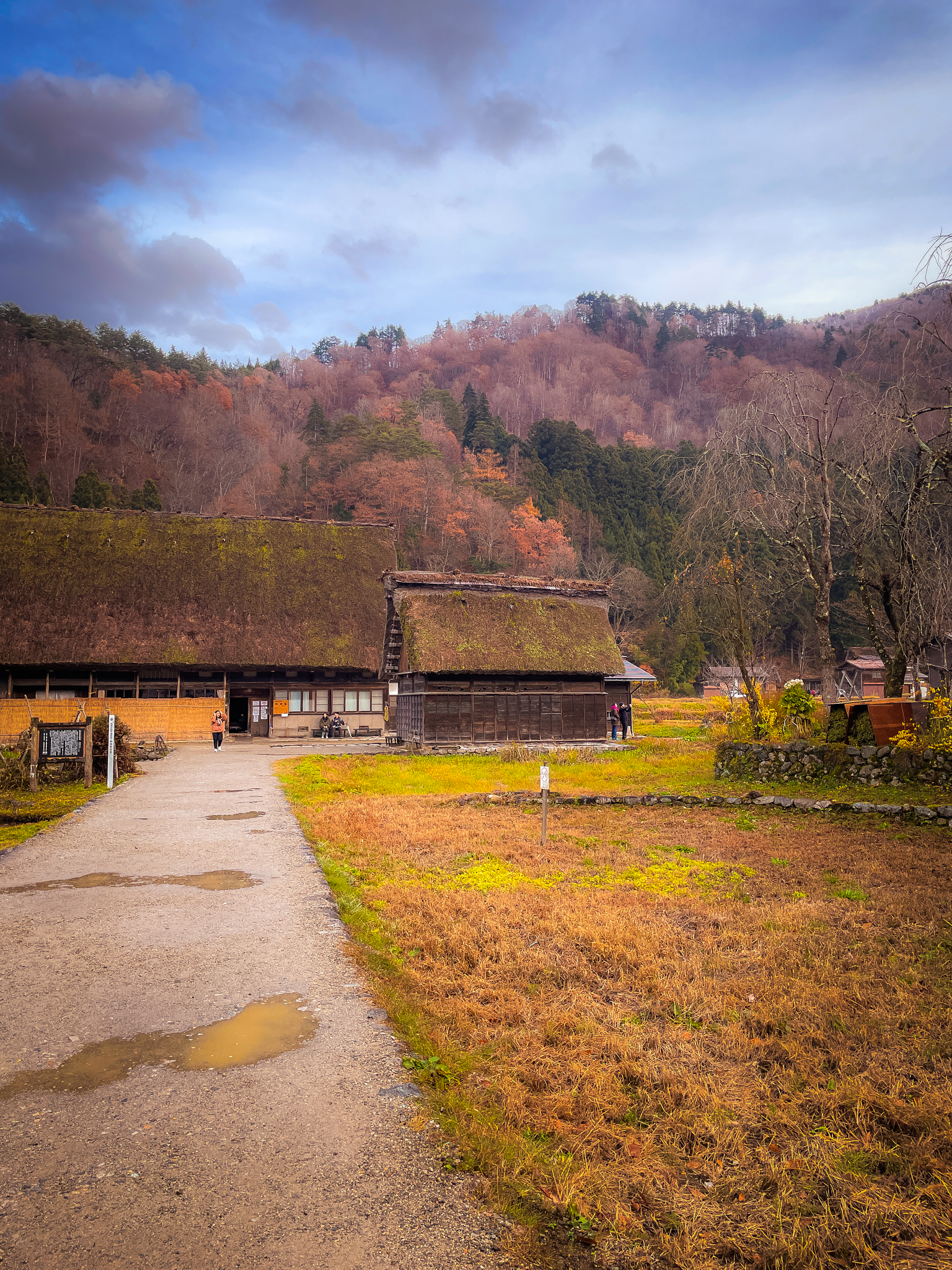
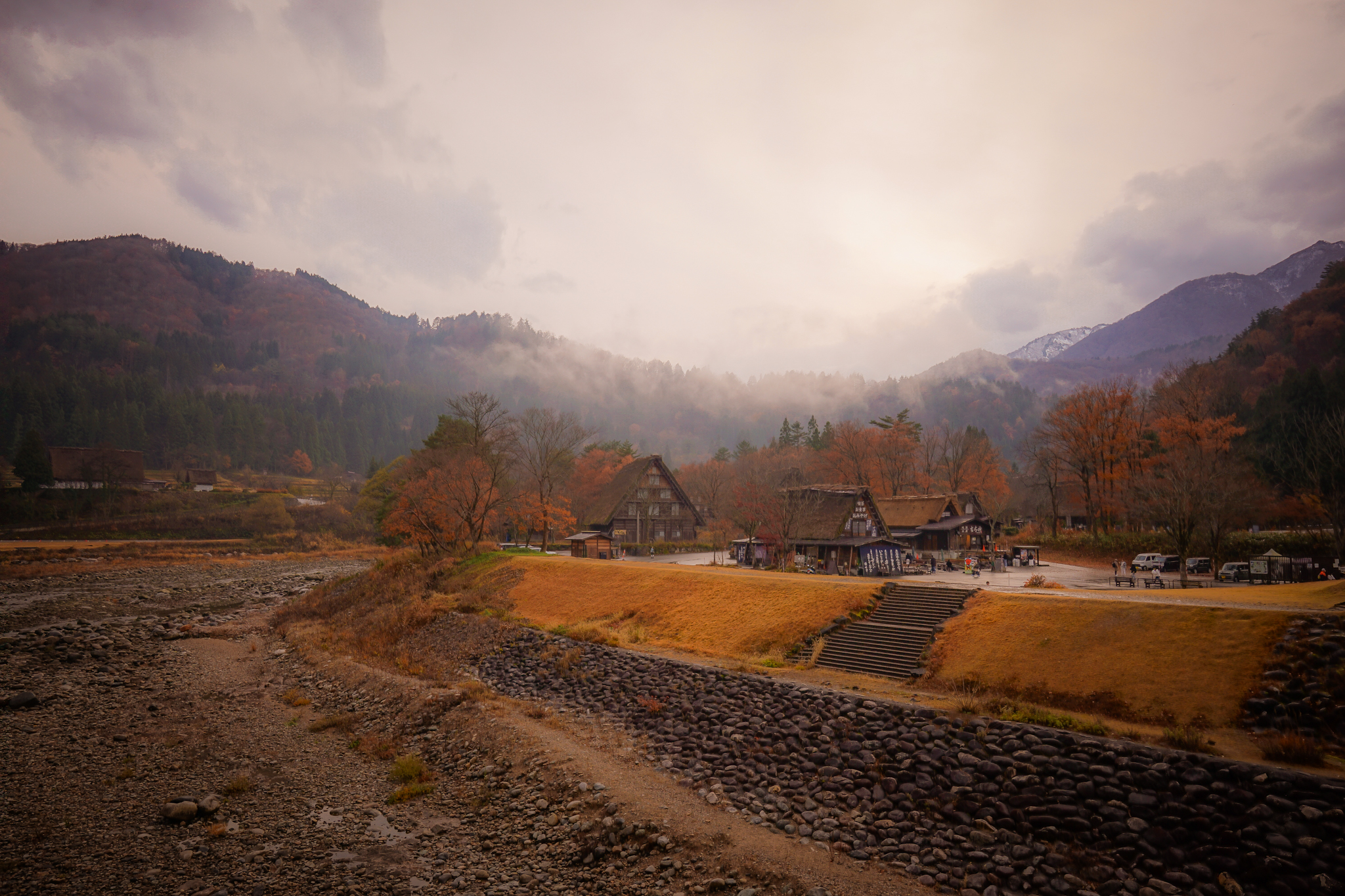
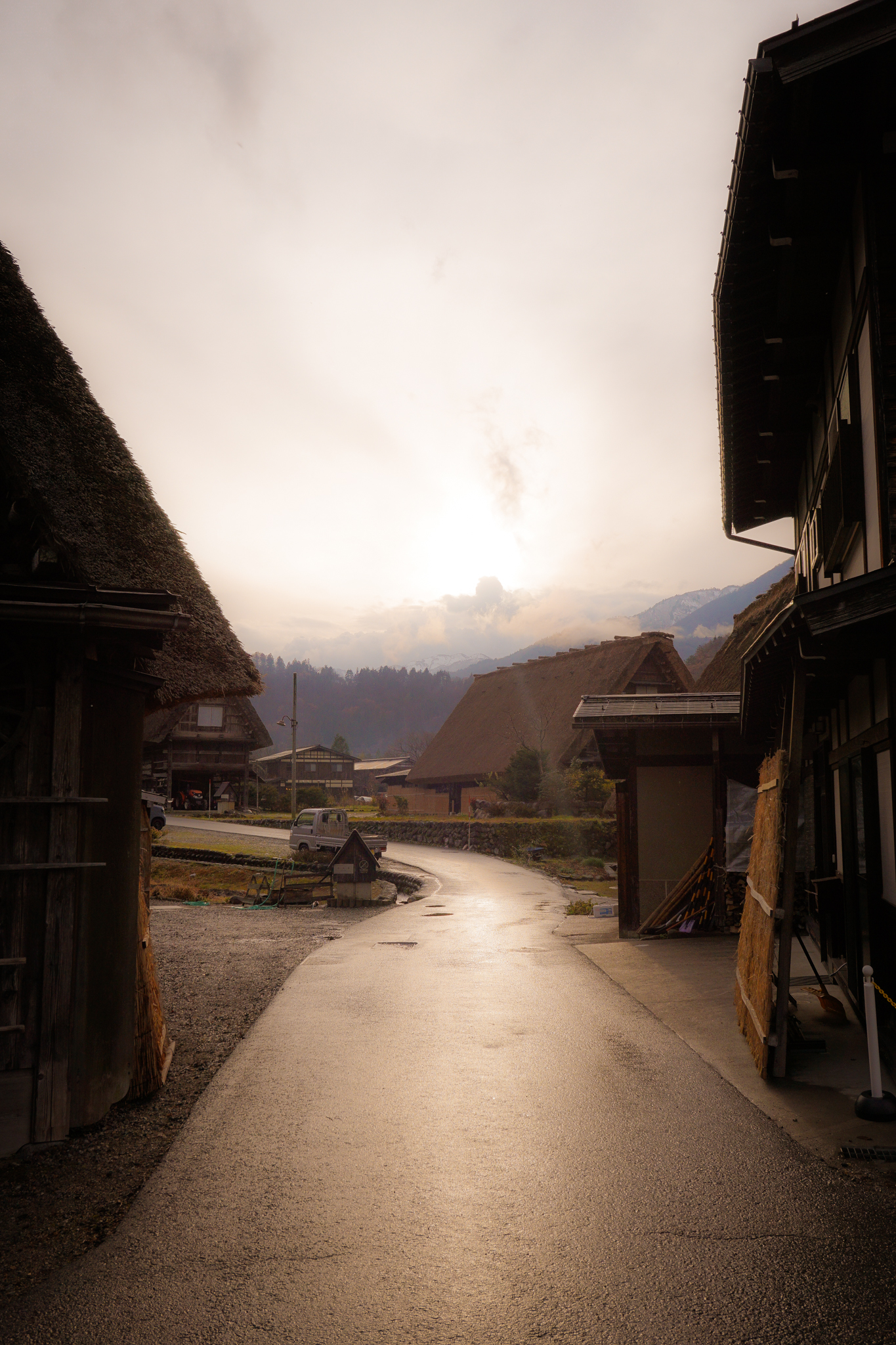
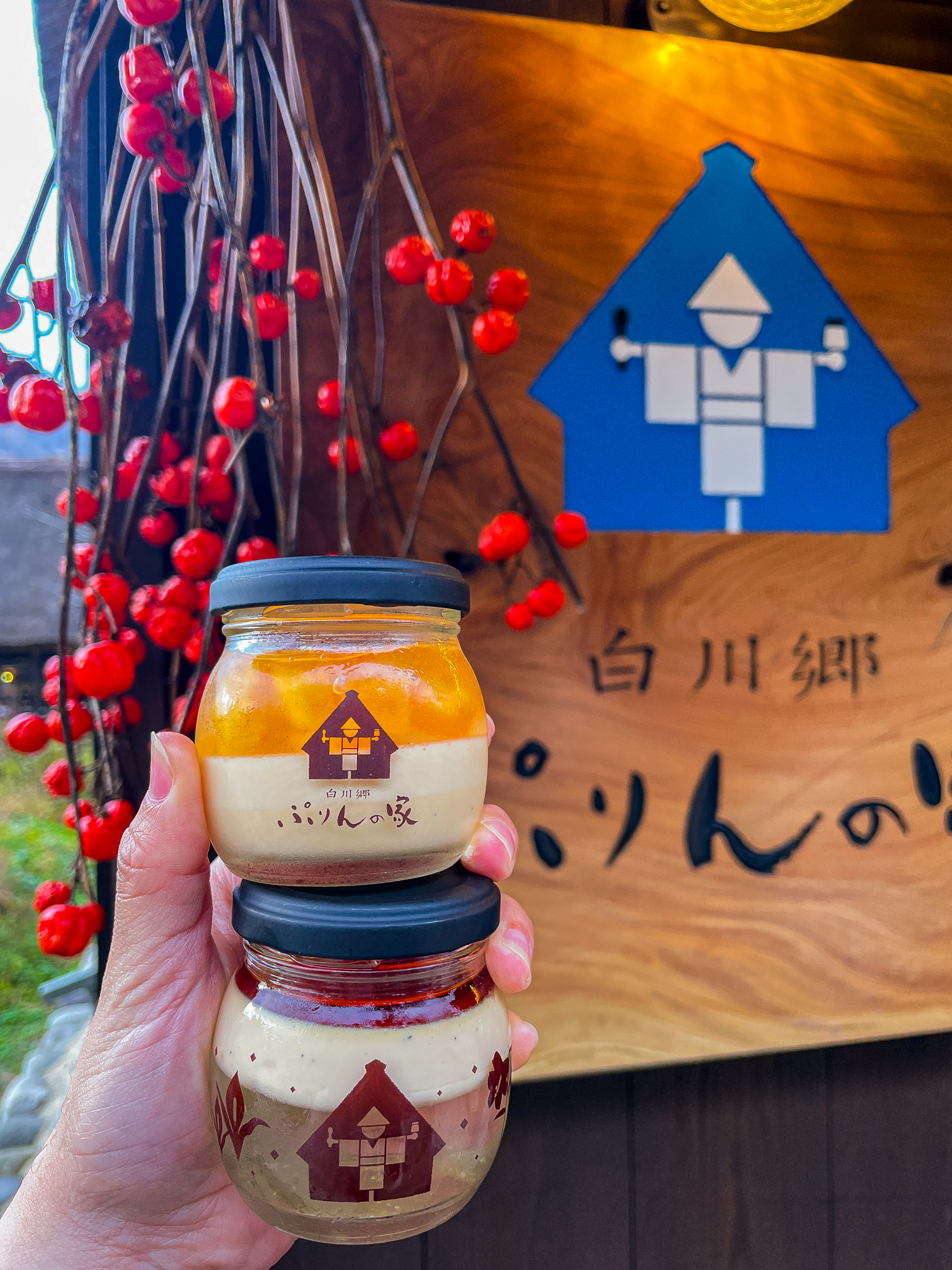
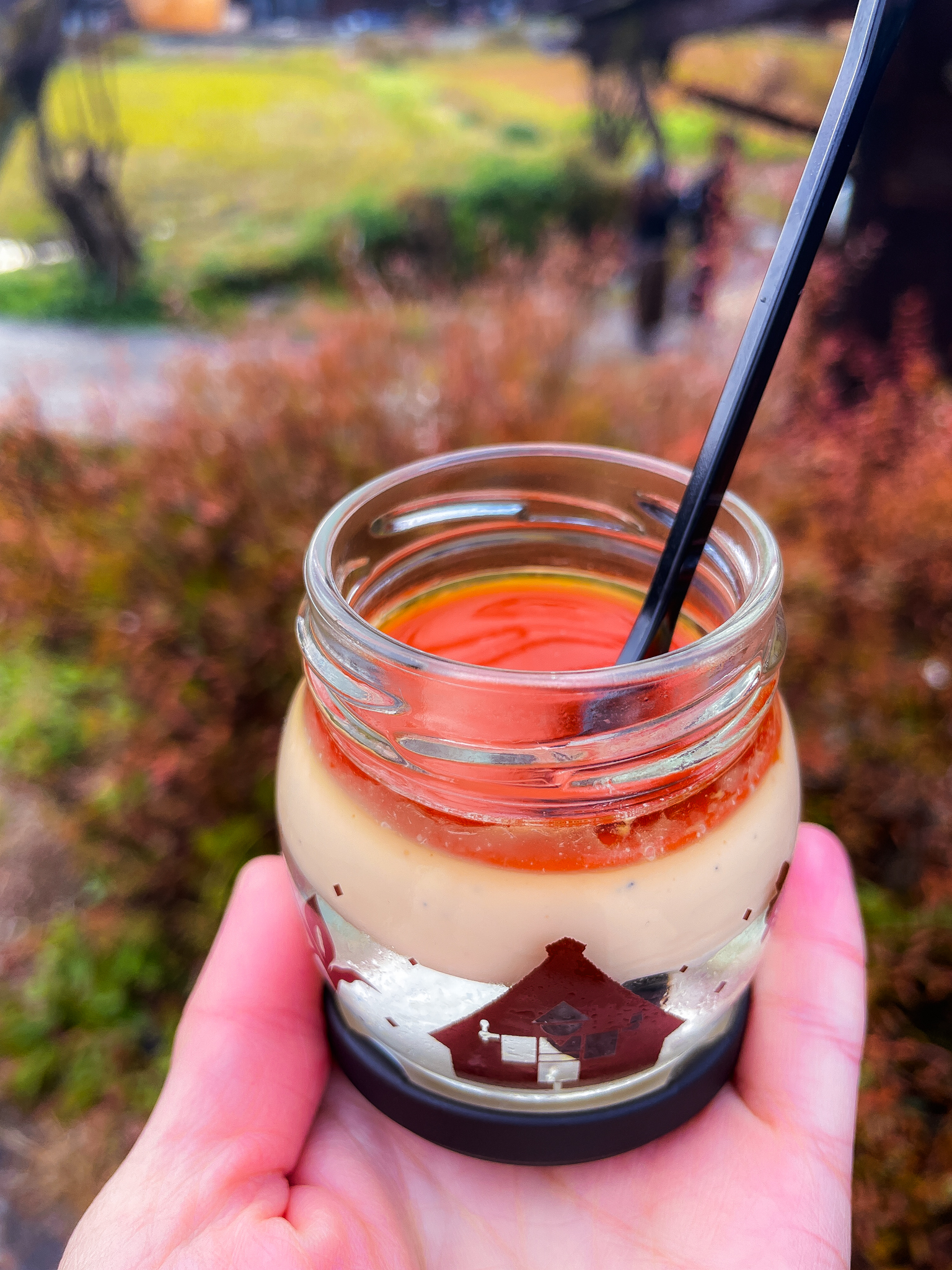
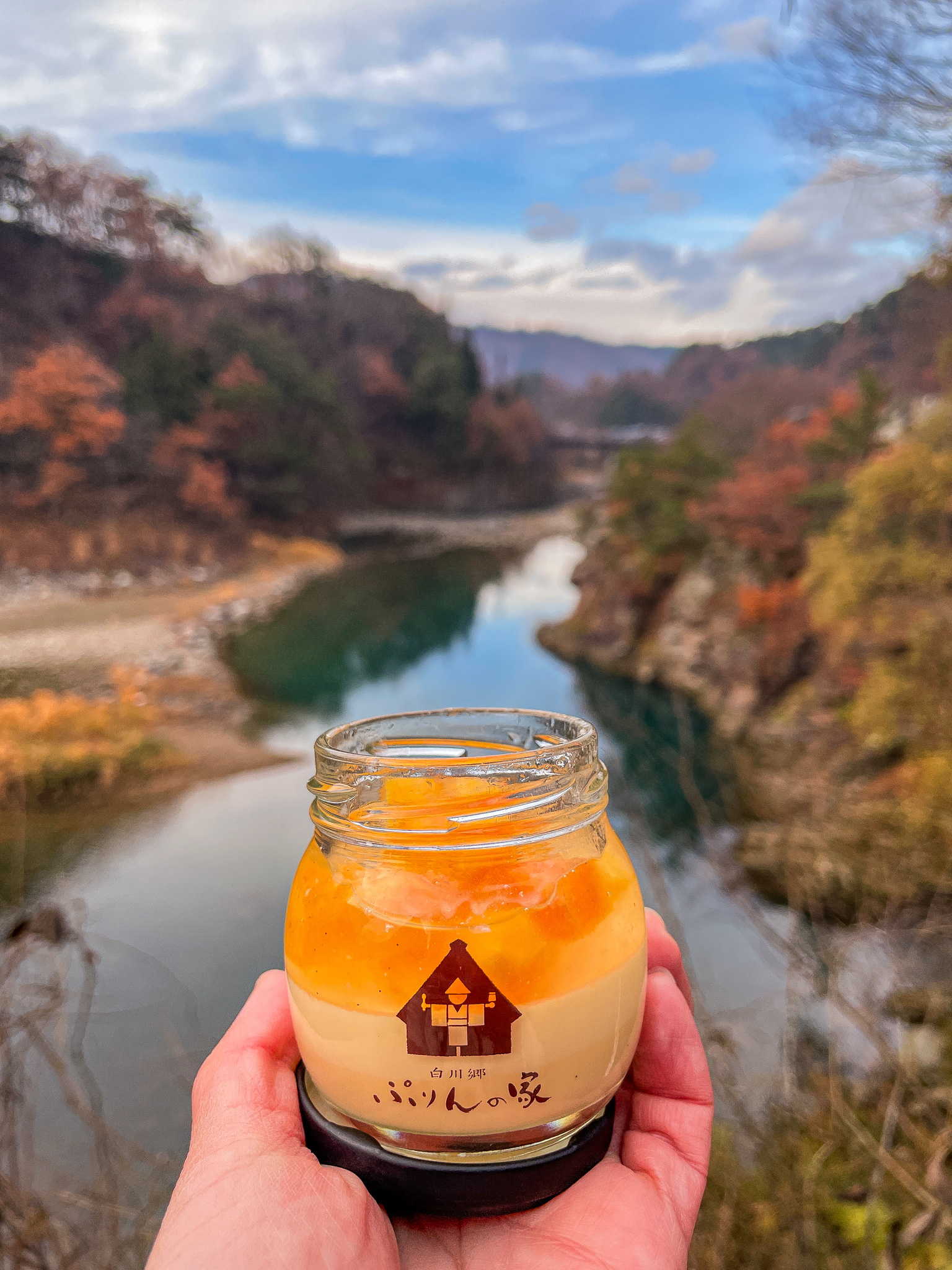
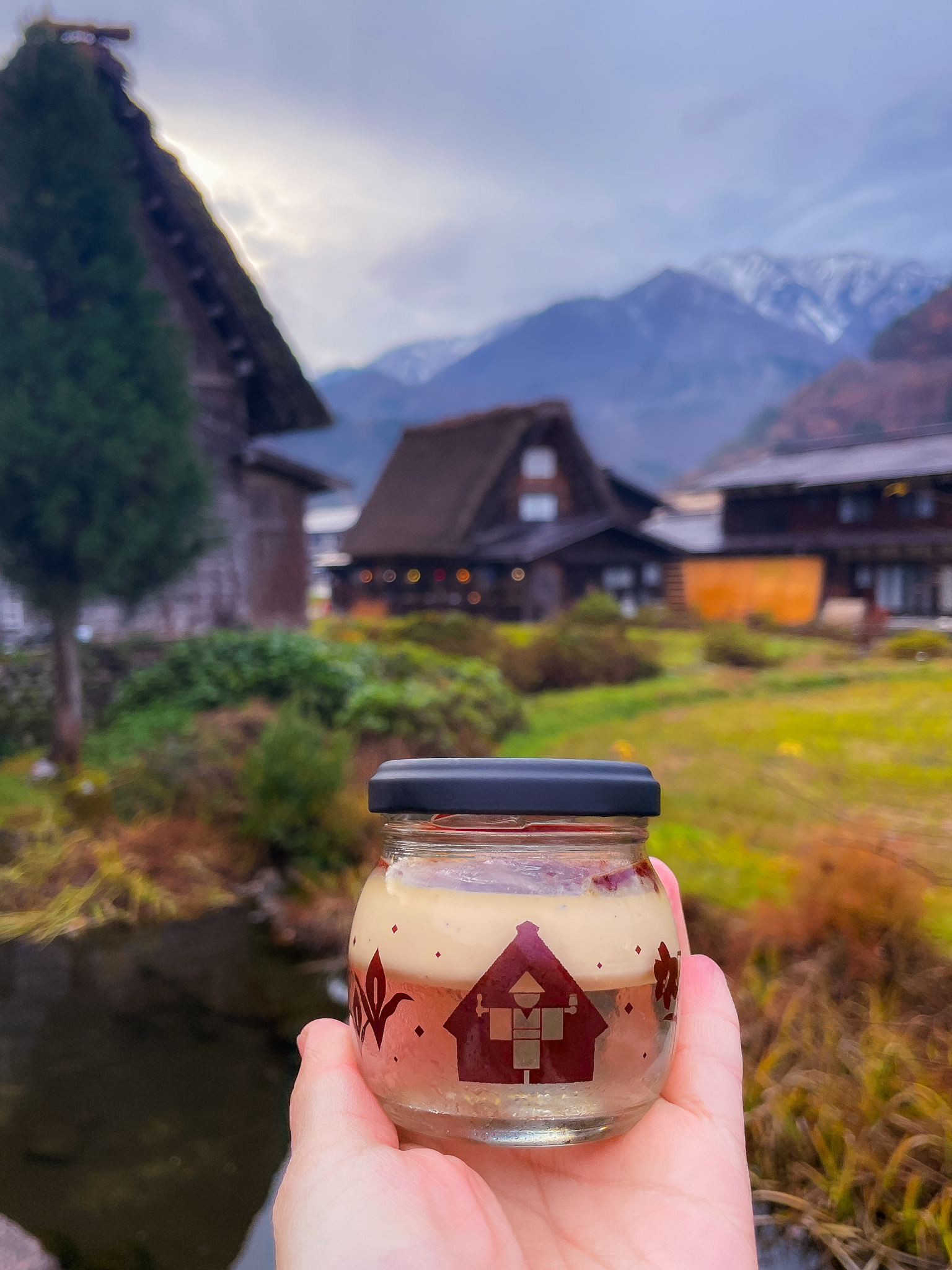
After meandering around the village for about an hour with our hearts increasingly filled with disappointment, we came across a small dessert shop called Shirakawago Purin no Ie. We were slightly intrigued when we saw a door signage tht declared it sold an award-winning custard pudding dessert. Offered in its original caramel flavouring, alternatively injected with stronger flavours like matcha and coffee, topped with seasonal fruits, or bisected with a crystal jelly, there was quite an extensive range of custard varieties from which to choose. Encased in a small glass jar, it was all silky wobble. This custard pudding ultimately became, the one highlight – and saviour – of our visit to Shirakawago.
Dessert adventure checklist
- ☑ Dessert destination: Nagoya, Japan.
- ☑ Budget: $$-$$$.
- ☑ Sweet irresistibles: Japanese custard pudding and fall colours.
- ☑ Travel notes:
- How long? We stayed 3 days in Nagoya. With the exception of Nagoya castle and the surrounding garden area, we did not find the city itself particularly interesting. We booked two daytrips out of the city, the first included Korankei and Obara (link here), and the second visited Shirakawago (link here).
- When to visit? We visited during the last week of November 2025, and it was peak fall. We did not find Japanese Tourism Bureau’s forecast for peak autumn particularly helpful – it predicted peak fall several weeks too late. We strongly recommend monitoring the autumn leaf forecasts on the Chinese app, Xiao Hong Shu, instead.
- How to get there? We flew from Hong Kong to Nagoya via HK Express Airline.
- Where to stay? We stayed at the Sheraton near the Nagoya Station for its central location. The station is the main pick-up location for most day tours. The hotel itself was a basic Japanese-style hotel; not memorable in any sense.

