Introduction
Since relocating to Asia, we have taken any and every opportunity to hunt down the many exquisite desserts that the region has to offer. In China specifically, we are making it a mission to hunt down desserts outside of the main Beijing-Shanghai tourist route. So far, we have admired exceptional pastry craftmanship at two luxurious afternoon teas in Shenzhen, compared historical and modern Chinese desserts in Xiamen and Quanzhou, and stumbled upon a most enchanting underwater high tea in Hainan. In this latest volume of our China dessert travel adventures, we traversed Southern Yunnan, chasing canola rapeseed flowers that bloom like sunshine in Luoping, following clouds that dance with rain in Yuanyang, and spending languid afternoons sipping tea along the Ancient Tea Horse Road from Jianshui to Shaxi. Below, we weave a narrative through a photographic journal and end in reflections over a very old-school-style Chinese afternoon tea.
Off the beaten path, but in luxury in Southern Yunnan
We say this, hand over heart, that after so many travels across the span of almost four decades, there is no country in the world quite as multi-faceted nor as breathtaking as China. First, you can go from giant modern metropolises draped in glittering lights one day, to villages perched on misty mountains that are carbon copies of calligraphic scroll paintings the next. Second, you never have Mona Lisa-type moments, and we do mean never. Whatever you might imagine from a 2D photo, it is, in real life, far more tremendous in scale. China redefines the word “mind-blowing” in every possible way. Having visited most of the larger cities, we are making it our mission to get off the beaten track. This dessert adventure review and itinerary is all about the gems of Southern Yunnan.
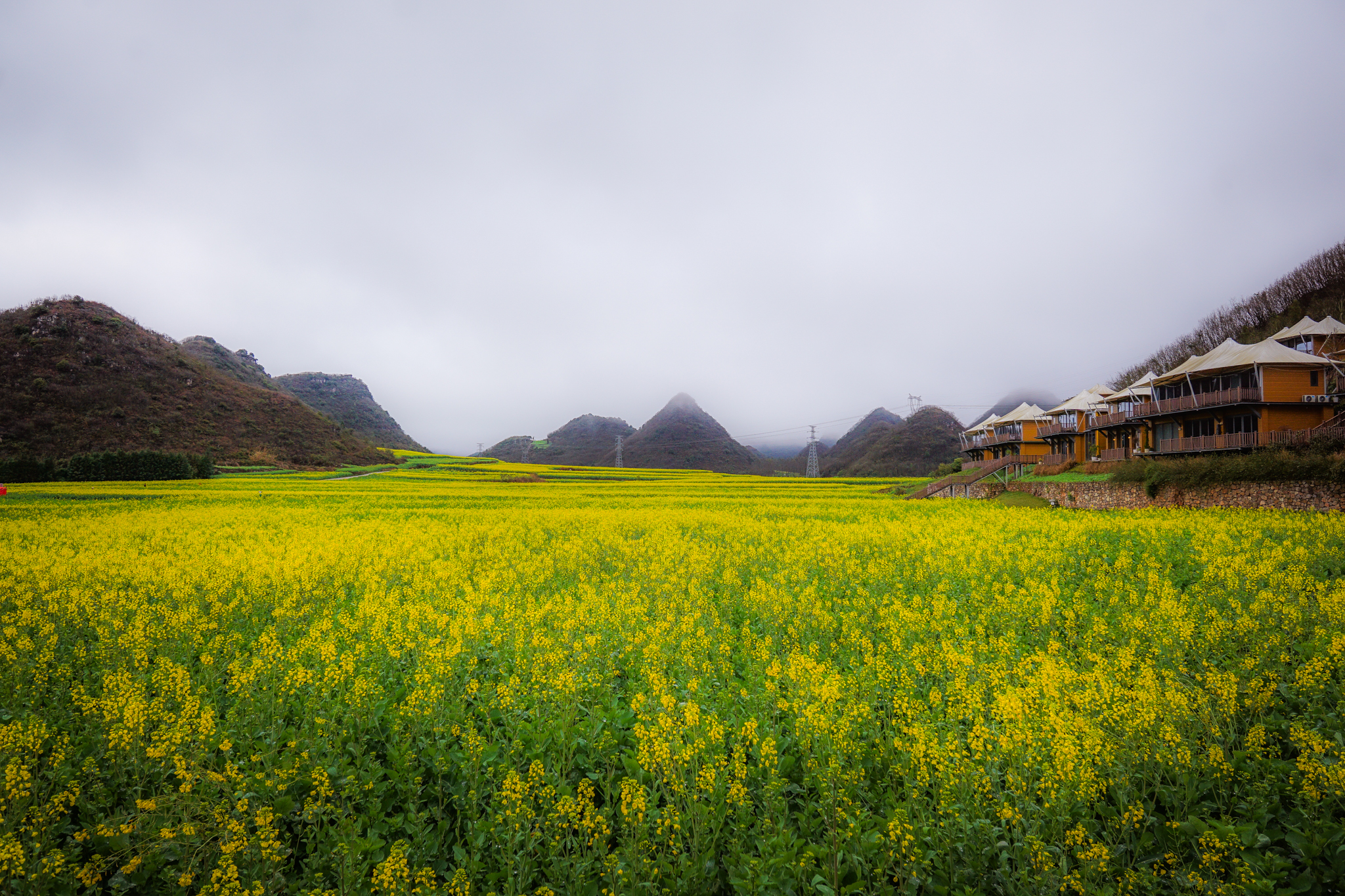
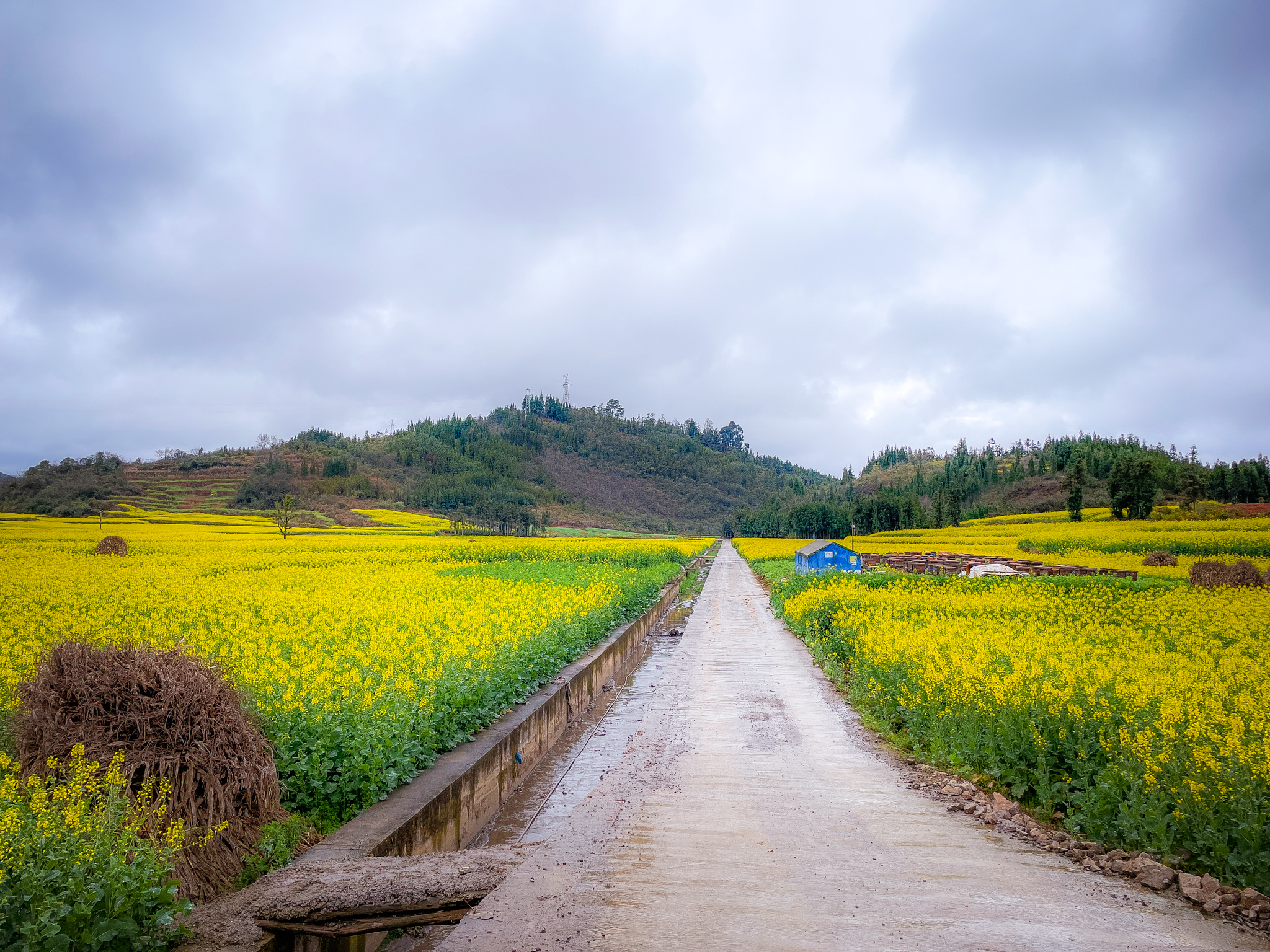
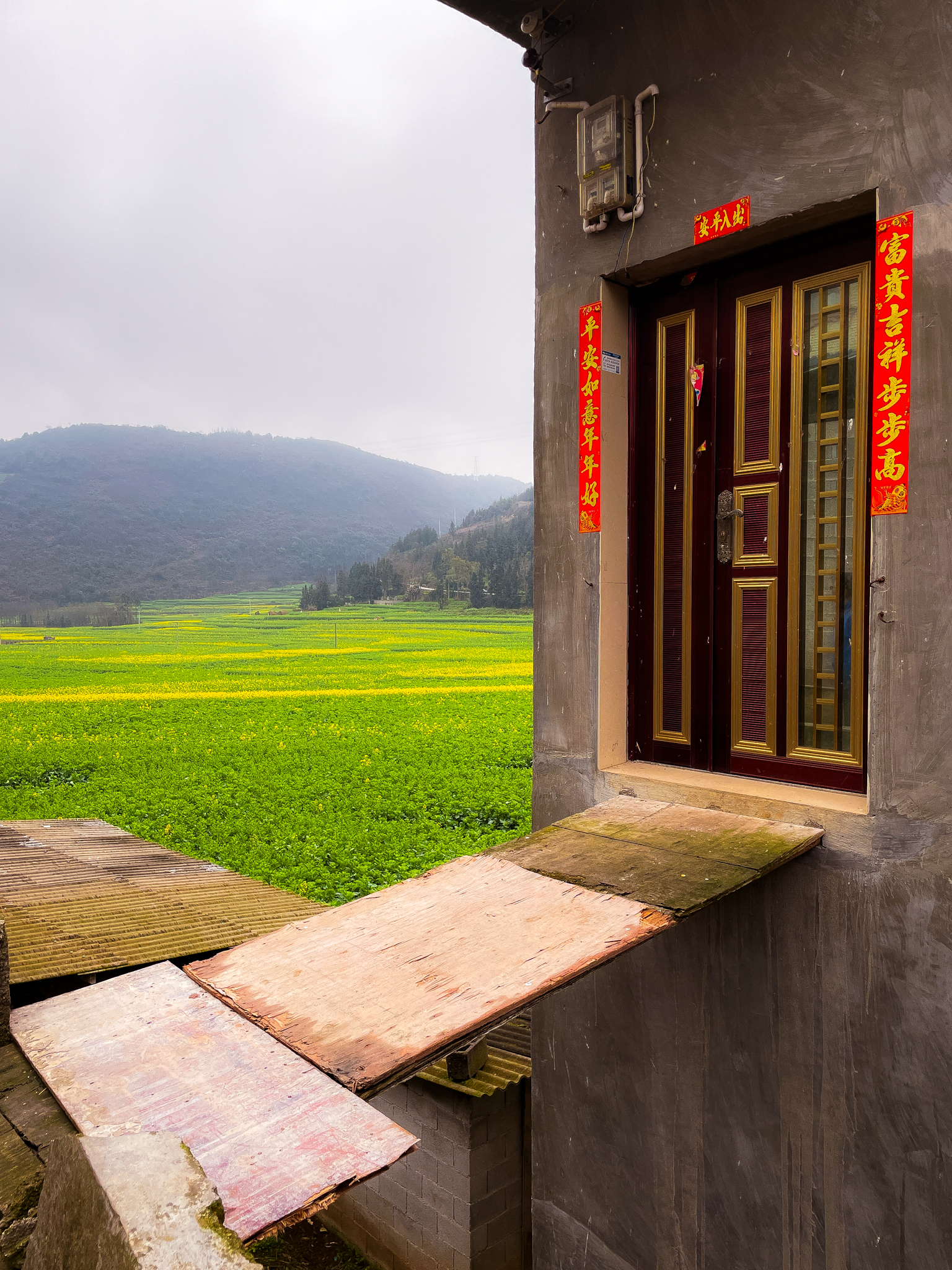
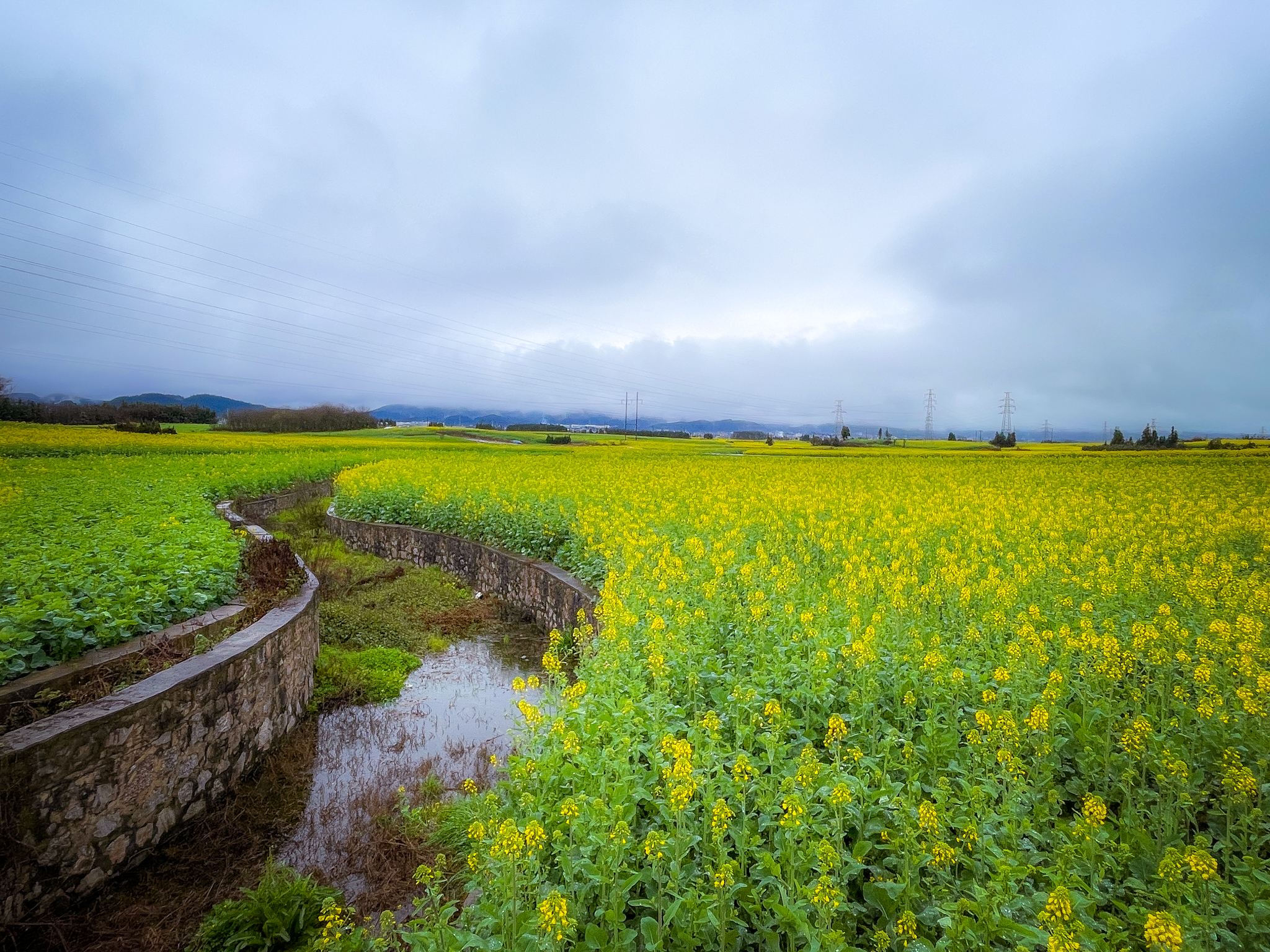
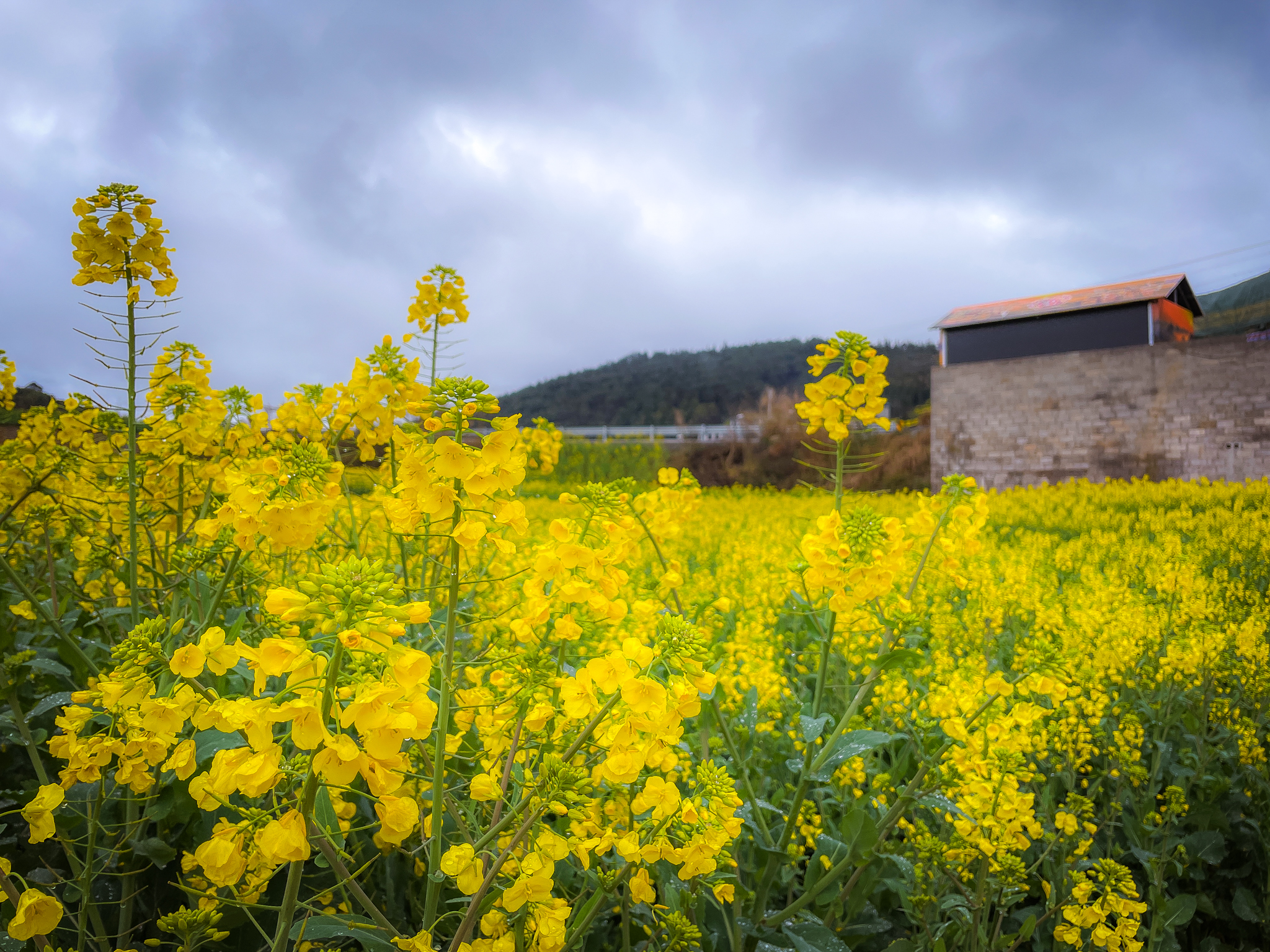
Our first stop was Luoping (罗平) to see rapeseed or canola oil flowers. We have seen flowers in many countries – from Europe to Japan to Australia to US, but for the most part, they are limited in expanse. A few clicks of the camera, and we are done. In Luoping, “360 degrees views” are redefined. From February to March, they cover swathes of land in bright sunshine yellow. We lost count of the number of villages we visited, the number of roadsides we stopped by, the number of hills we climbed to track down the early bloom of these flowers — and later, we also lost count of the endless nights we spent after the trip trying to cull the photos down. Jingi Hill (金鸡峰) and Luositian (螺蛳田) are perhaps the most famous of the scenic outlooks, but some of our favourite memories are photographing the backcountry farmland from the sides of meandering roads, patiently waiting for the sun to peak out.
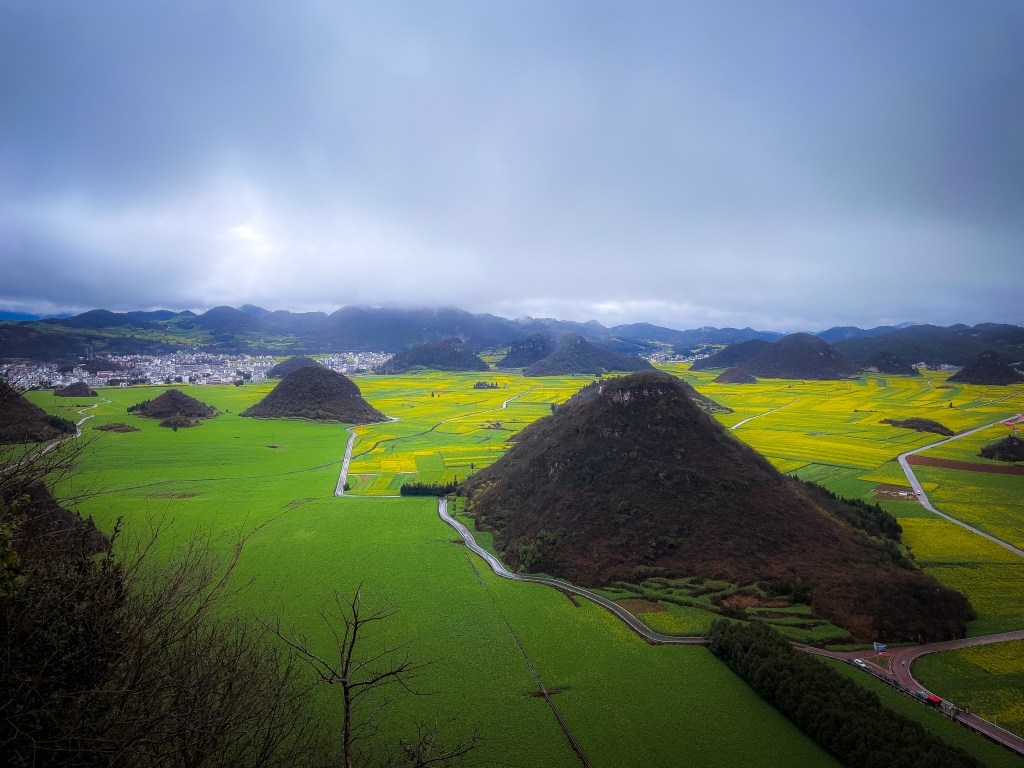
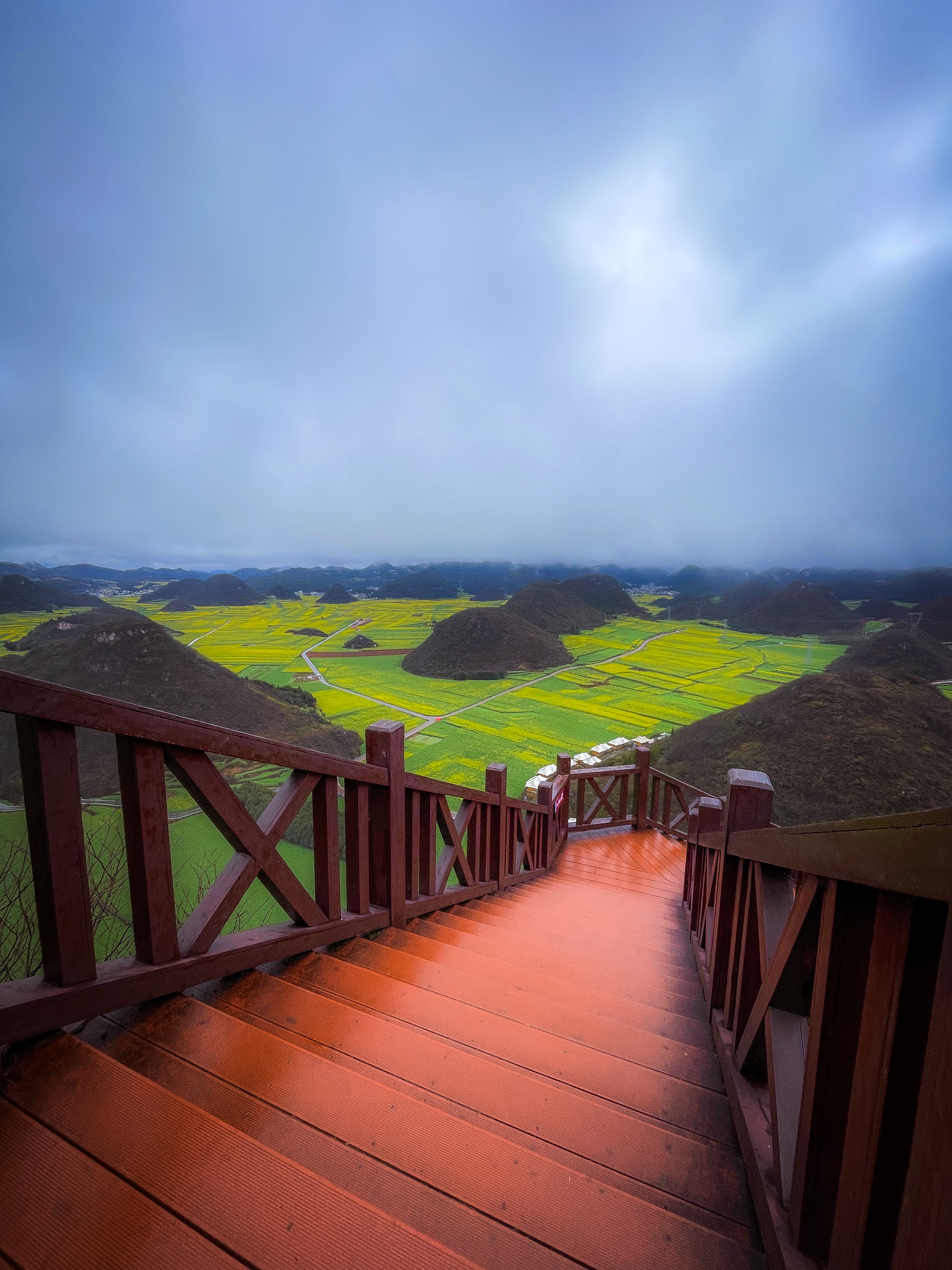
If Luoping is about trying to find sunshine, Yuanyang (元阳) is about discovering clouds. It’s all about catching the tidal waves of clouds as they roll into Duoyishu (多依树) at sunrise, the way they reflect silver in the glistening water of the rice terraces that surround the various ethnic minority villages of Qingkou and Azheke during the day, and when they silhouette the hillside at Bada (坝达) during sunset. These Dessert Correspondents will only wake up before 8am for three reasons: (i) desserts to line up for, (ii) plane to catch and (iii) sunrise to capture. And Yuanyang, or specifically Duoyishu, is home to the most beautiful sunrise we have ever seen. We highly recommend staying at the Mid Levels Duoyishu Resort for an uninterrupted sunrise panorama, viewed conveniently in your pyjamas from your private balcony. While in Yuanyang, we also discovered that “off the beaten path” may not necessarily mean “off the beaten path.” Photographers from around the world flock to Yuanyang in the months of February and March, armed with arguably more drones than a military unit might have.
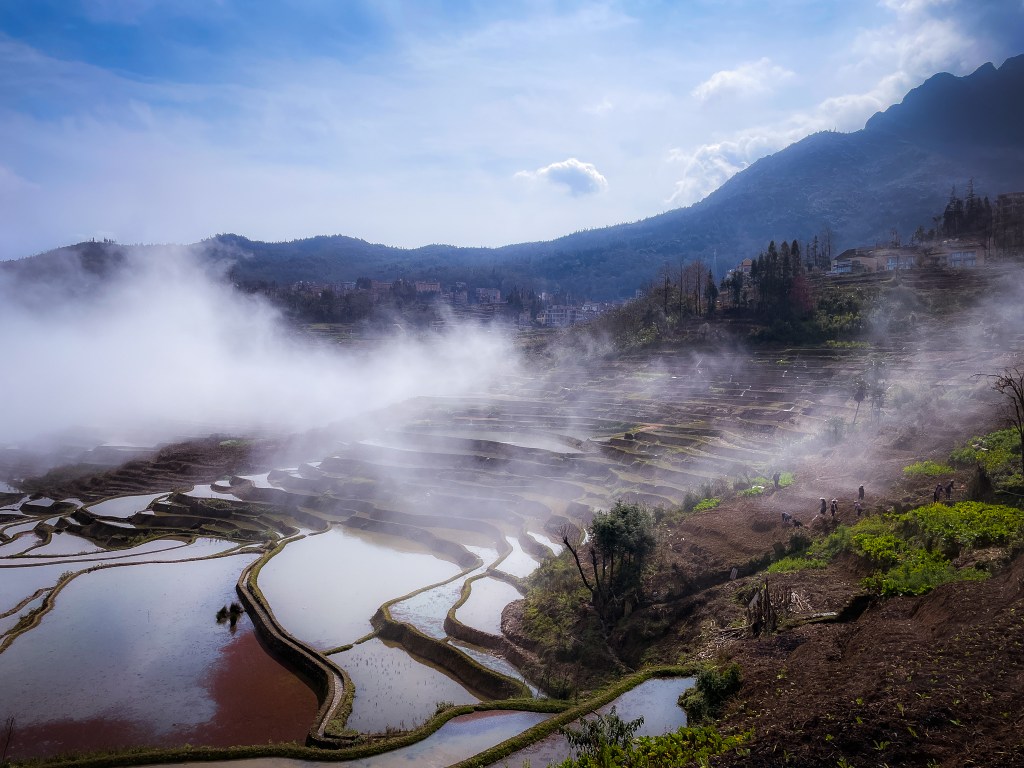
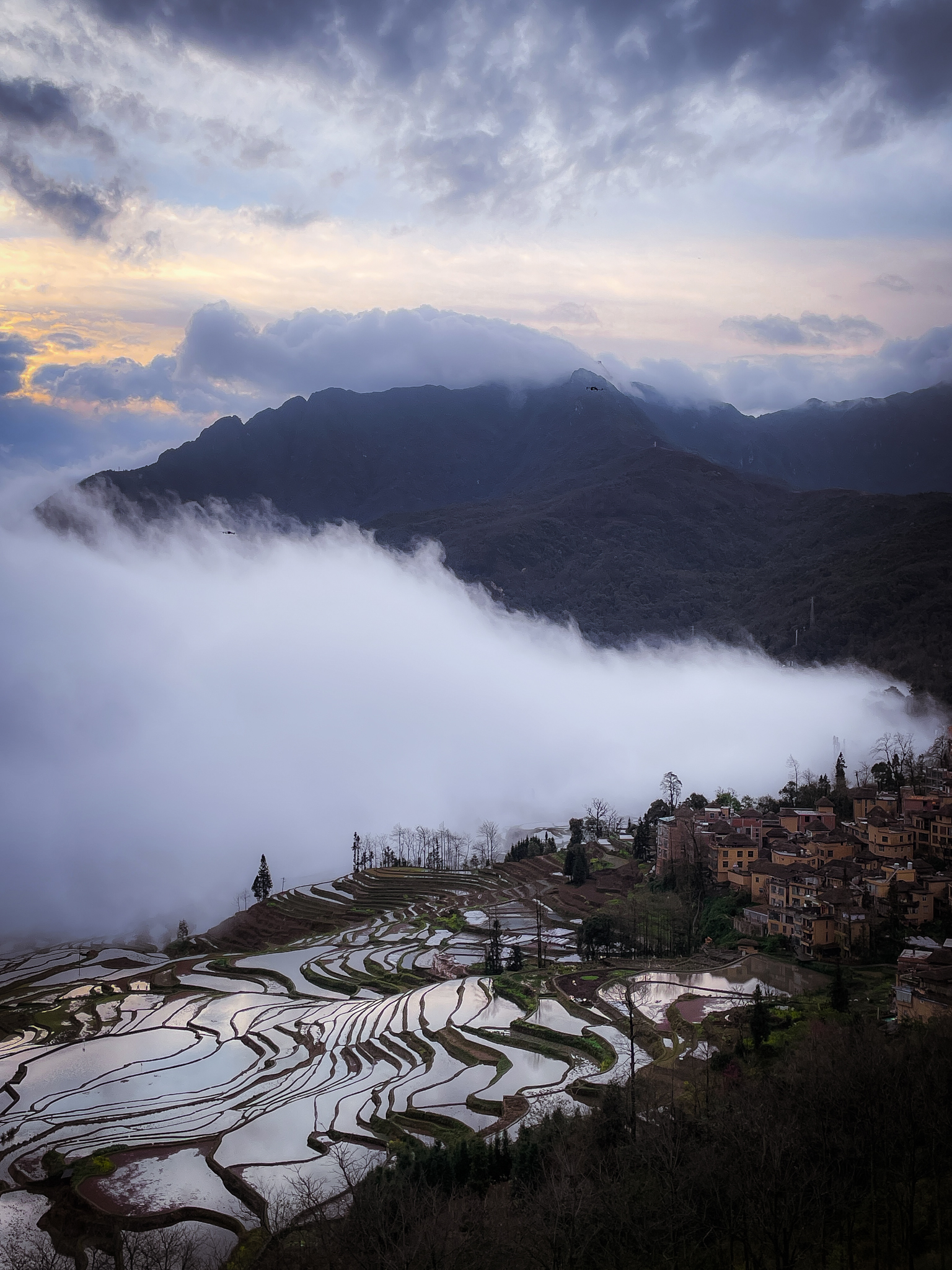
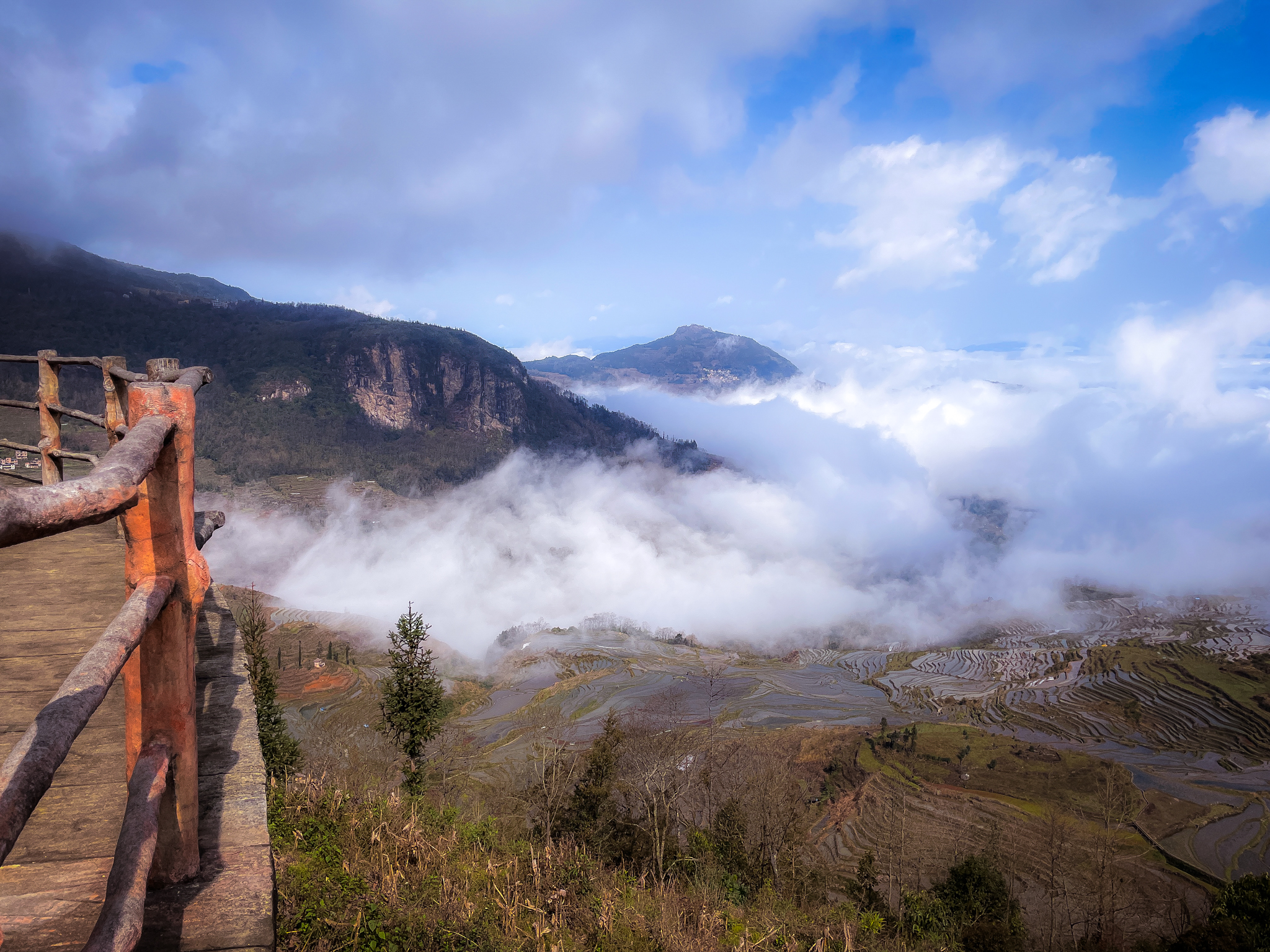
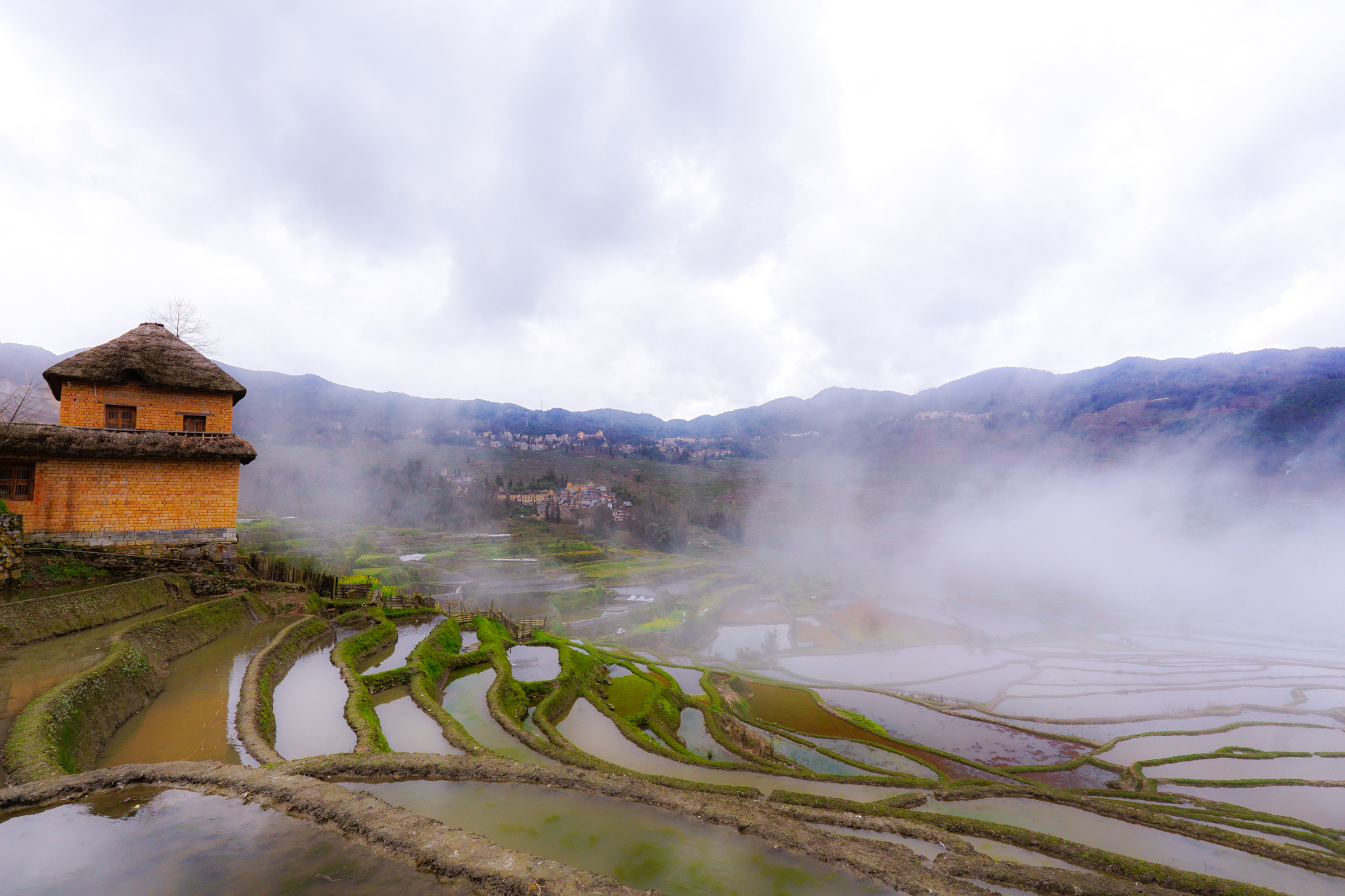
From Yuangyang, we returned northwards, with a detour to Jianshui (建水), a beautifully-preserved Tang Dynasty town lived in and expanded over the centuries. It is a quintessential ancient Chinese township, replete with imposing towers, elegant bridges, and courtyard garden mansions such as the Zhu Family Home. Ideally located adjacent to the old city street and lake, the stunning Heyuan Hotel (see first photo below) keenly exemplifies the current driving forces behind Chinese consumer trends in the high-end hotel market — evocative ancient Chinese style architecture (no fusion mishmash), modern amenities, and top-tier silver service. We are putting it up there with Hoshinoya Kyoto as one of the most luxurious properties we have had the privilege of staying in.
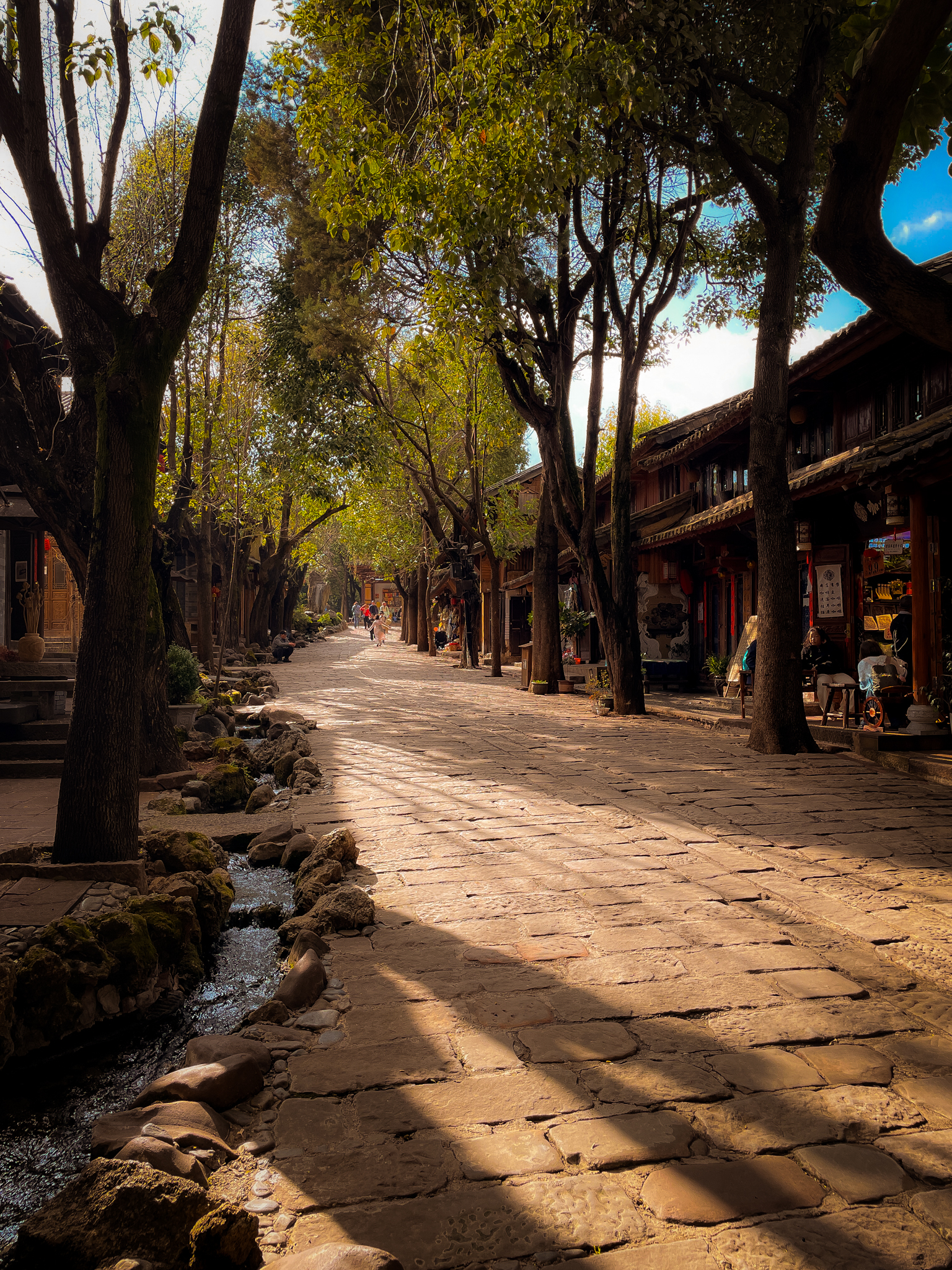
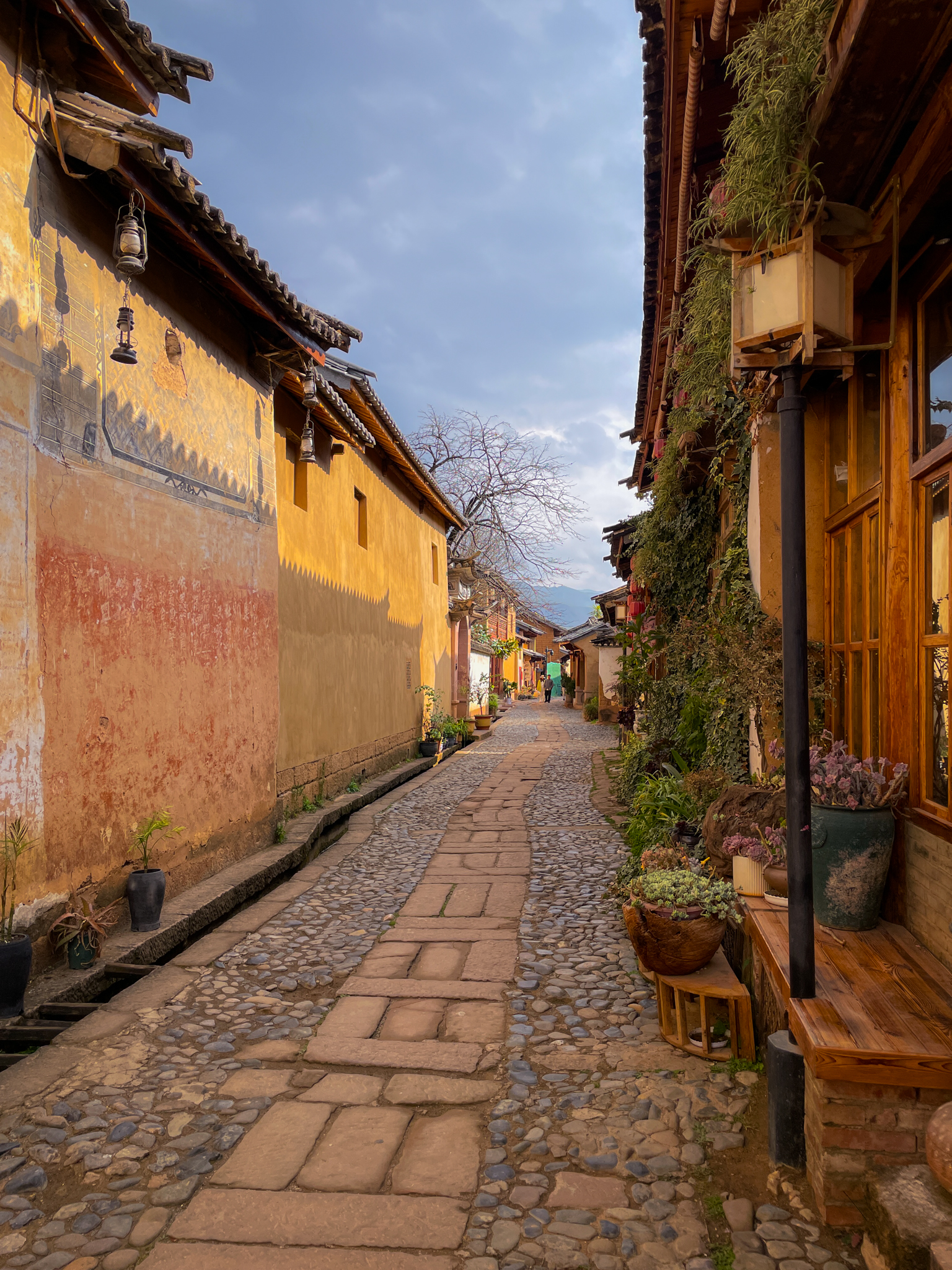
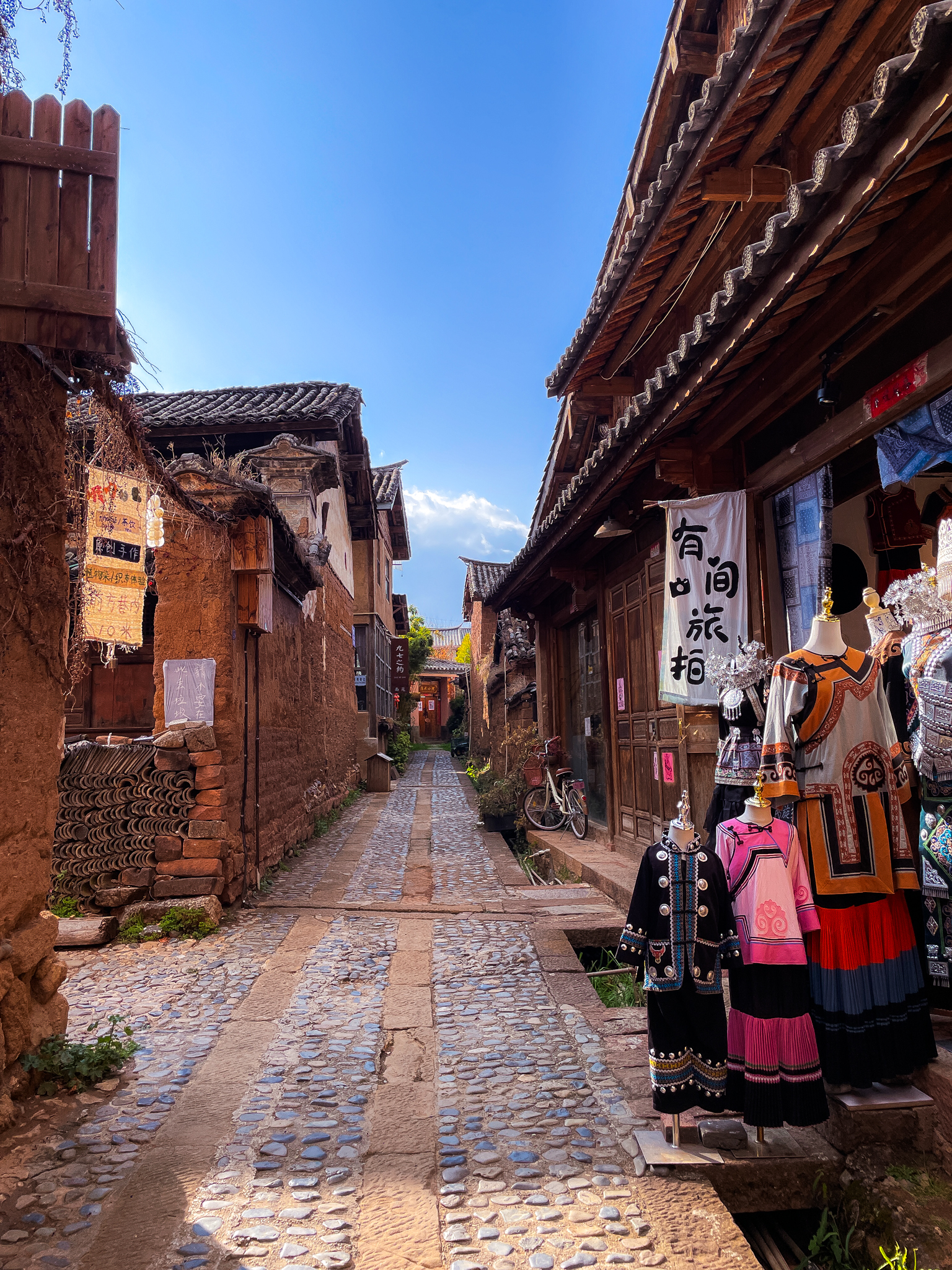
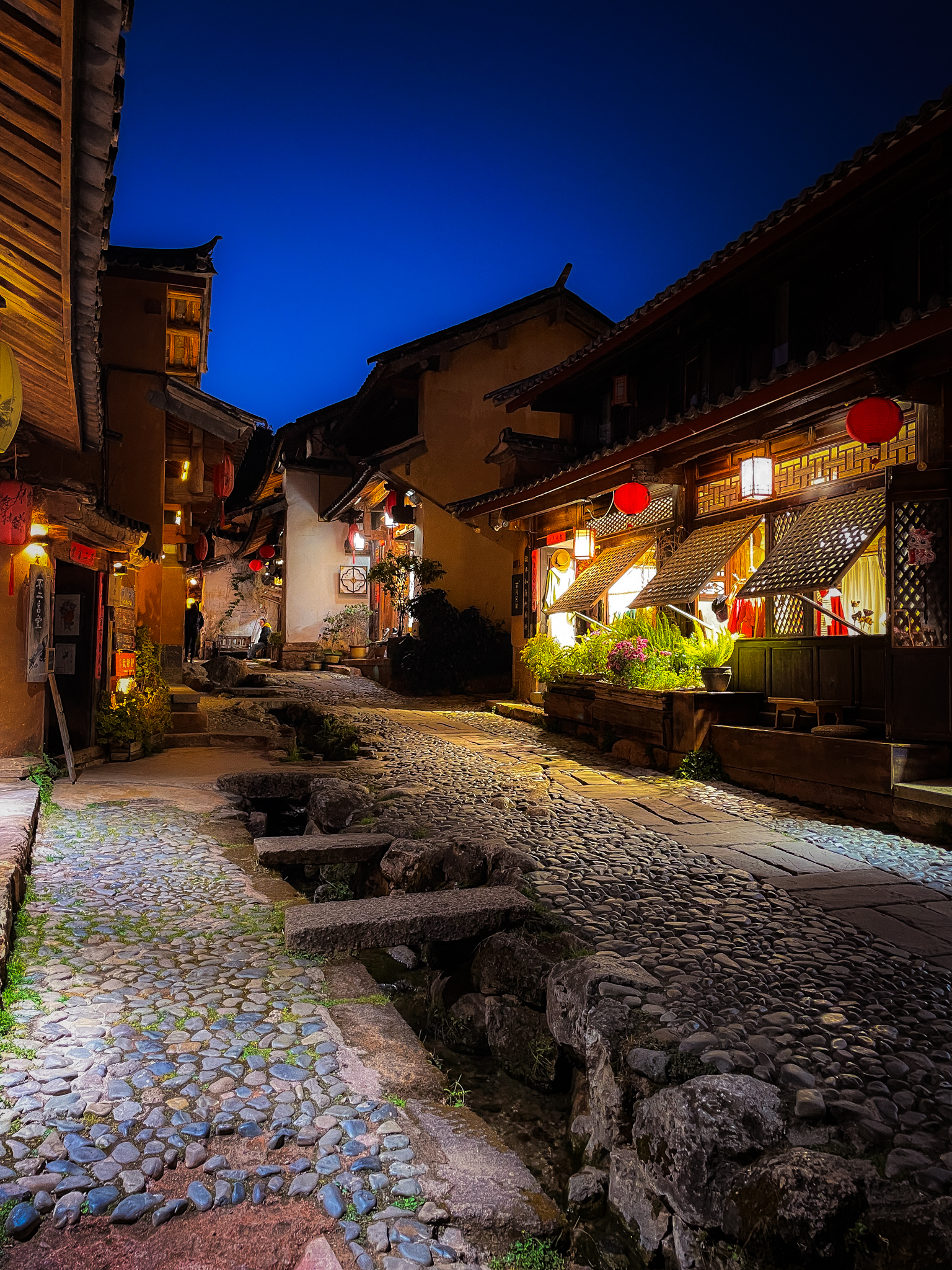
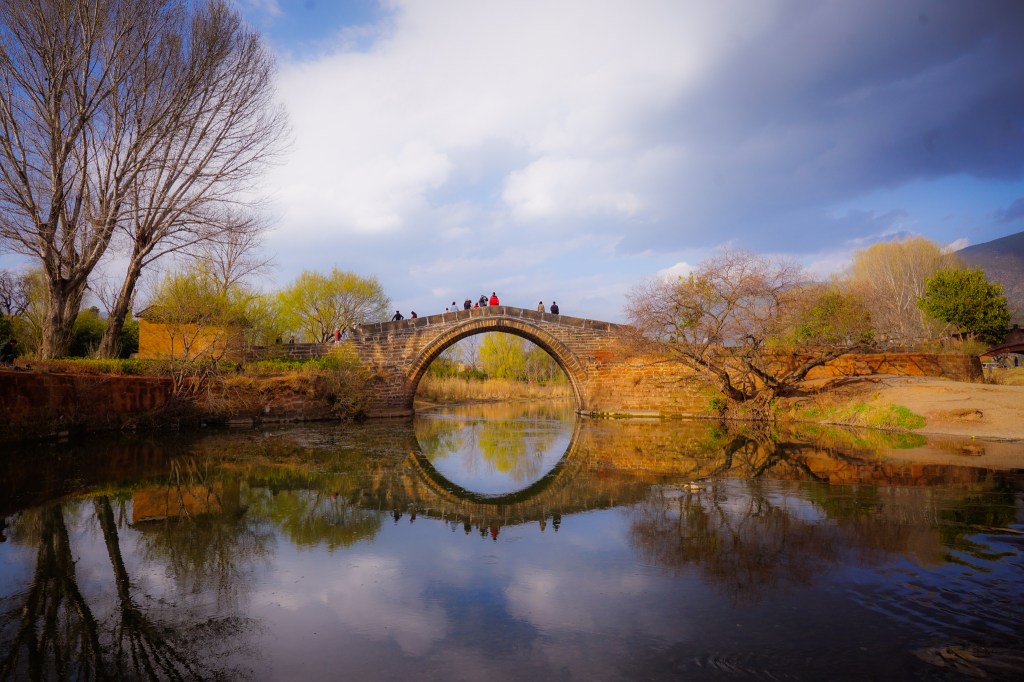
If you are perhaps thinking that this latest chapter of our dessert adventures is filled with far too many superlatives – and we haven’t even gotten to the desserts — we are not yet done. 🙂 If Jianshui is a case study in how to expand an ancient town while keeping its soul, Shaxi (沙溪) is all about preserving a time capsule in entirety. The town is the only surviving one on the ancient Tea Horse Road that once stretched all the way to the upper reaches of the neighbouring Tibetan region, and today, it remains car-free, with its stone alleys seeing only the footfall of a few daytrippers. Visiting Shaxi feels entirely like a time-travel experience, and even the hotels, such as the ancient courtyard-style guest house we stayed at, Sunyata Shaxi, blends modernity and history together. Shaxi is at its most beautiful the hour before and after sunset — the sun light dapples the old streets in soft amber tones, the town hushes as daytrippers leave, and the Yujin Bridge at the outskirts reflects a shimmering golden crescent arc into the river water. That night we were in Shaxi, we imagined that perhaps in another lifetime, several hundred years ago, we might have been a girl waiting for her guy on that bridge in the moonlight.
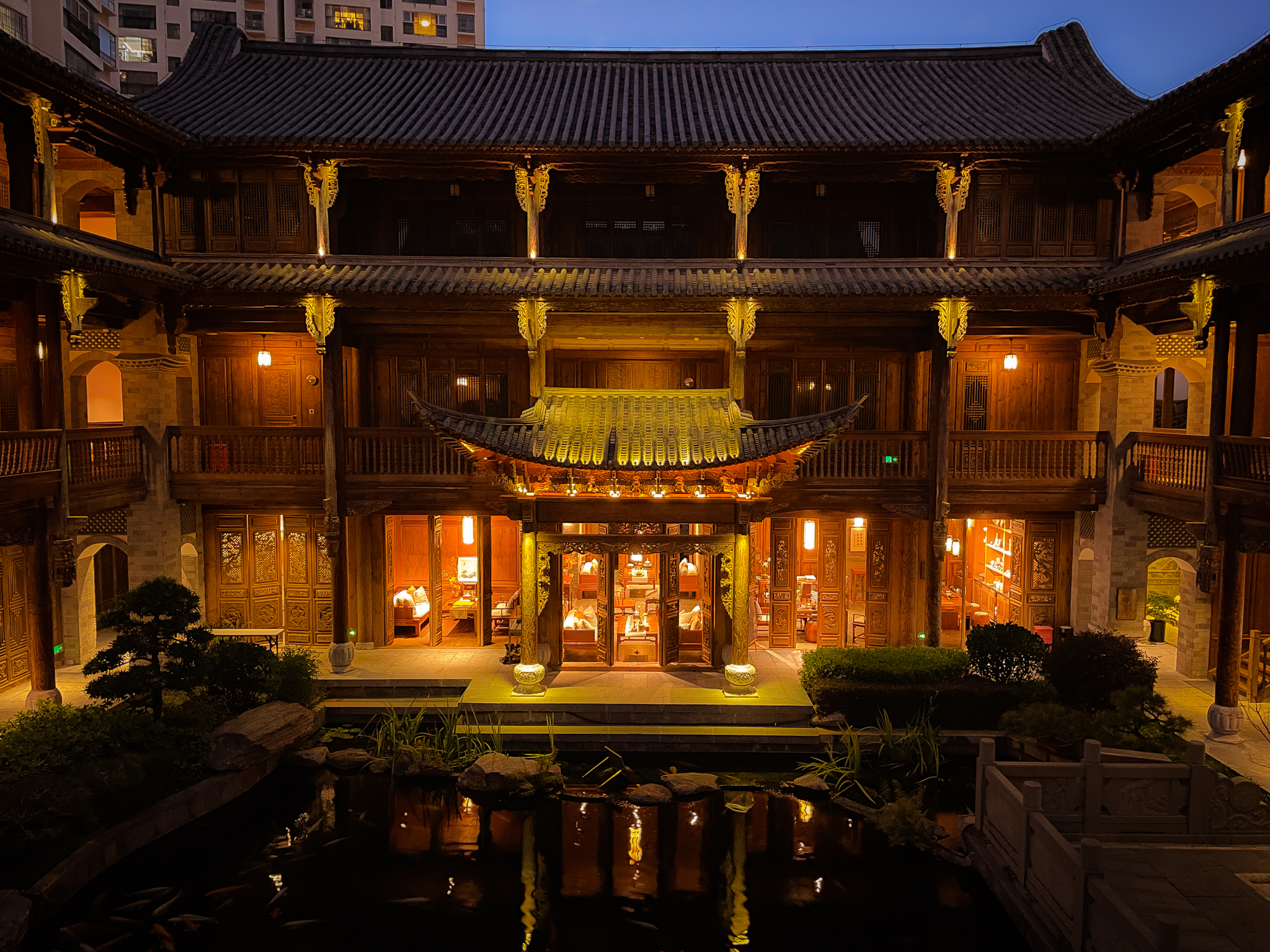
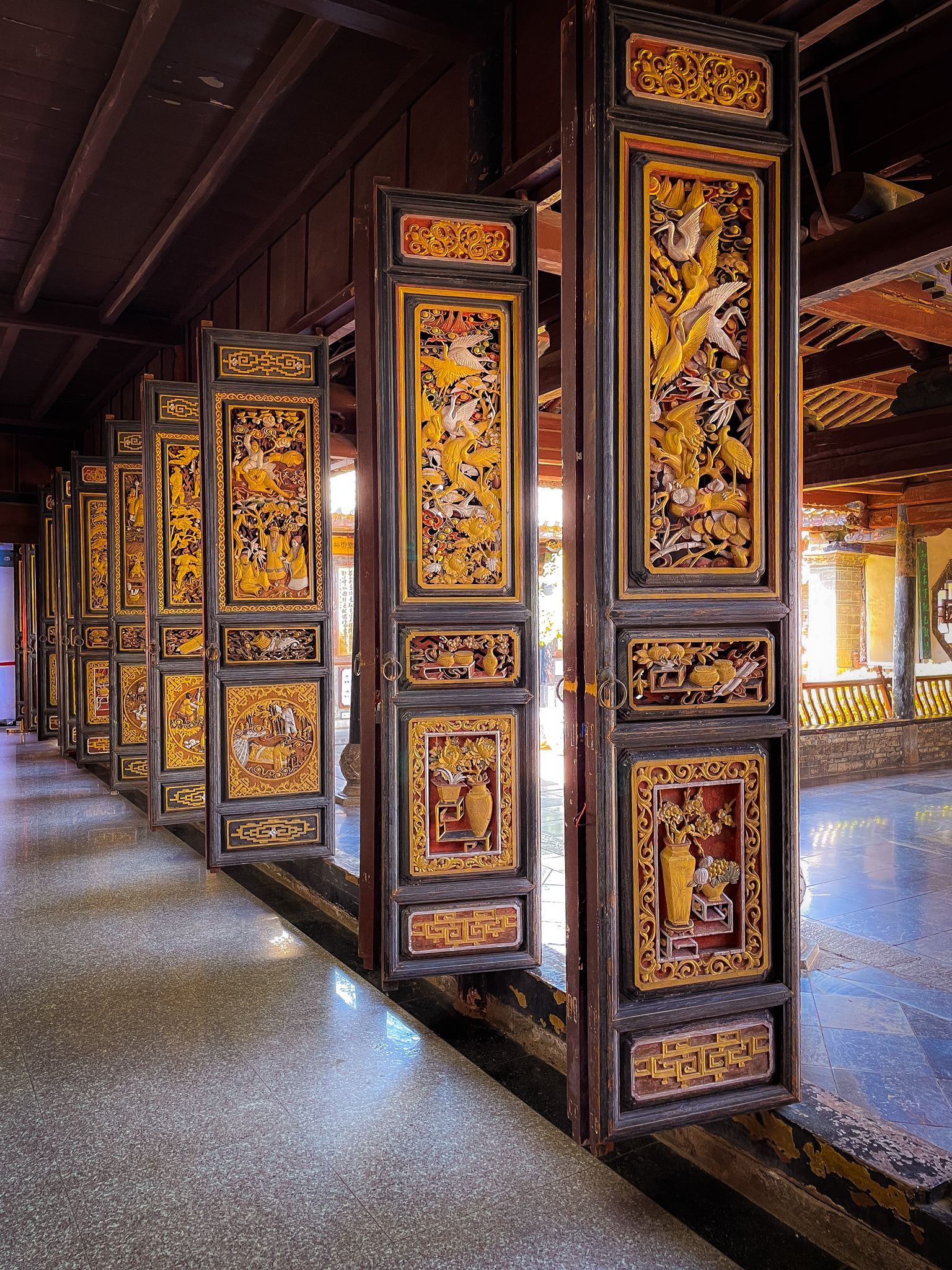
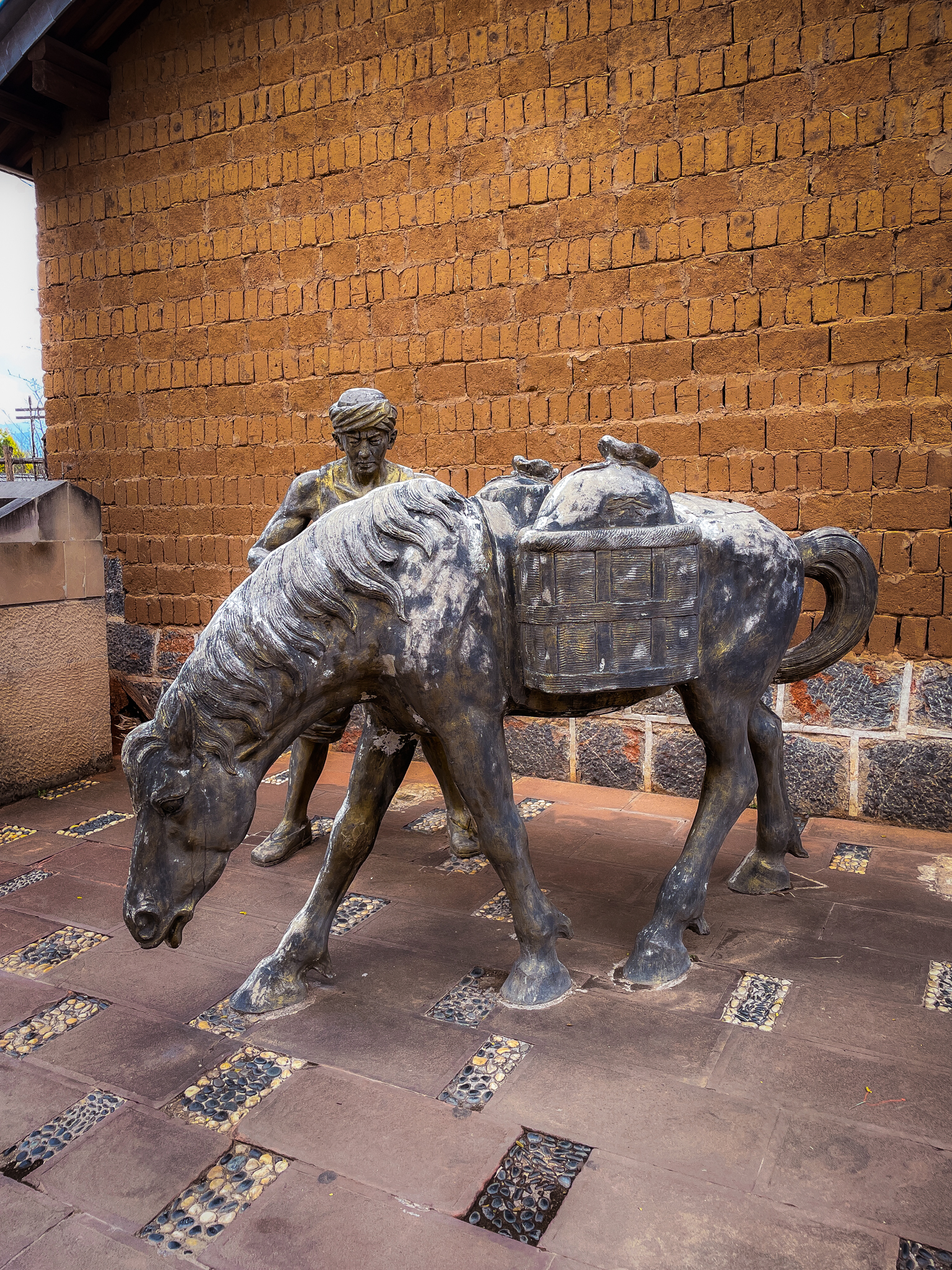
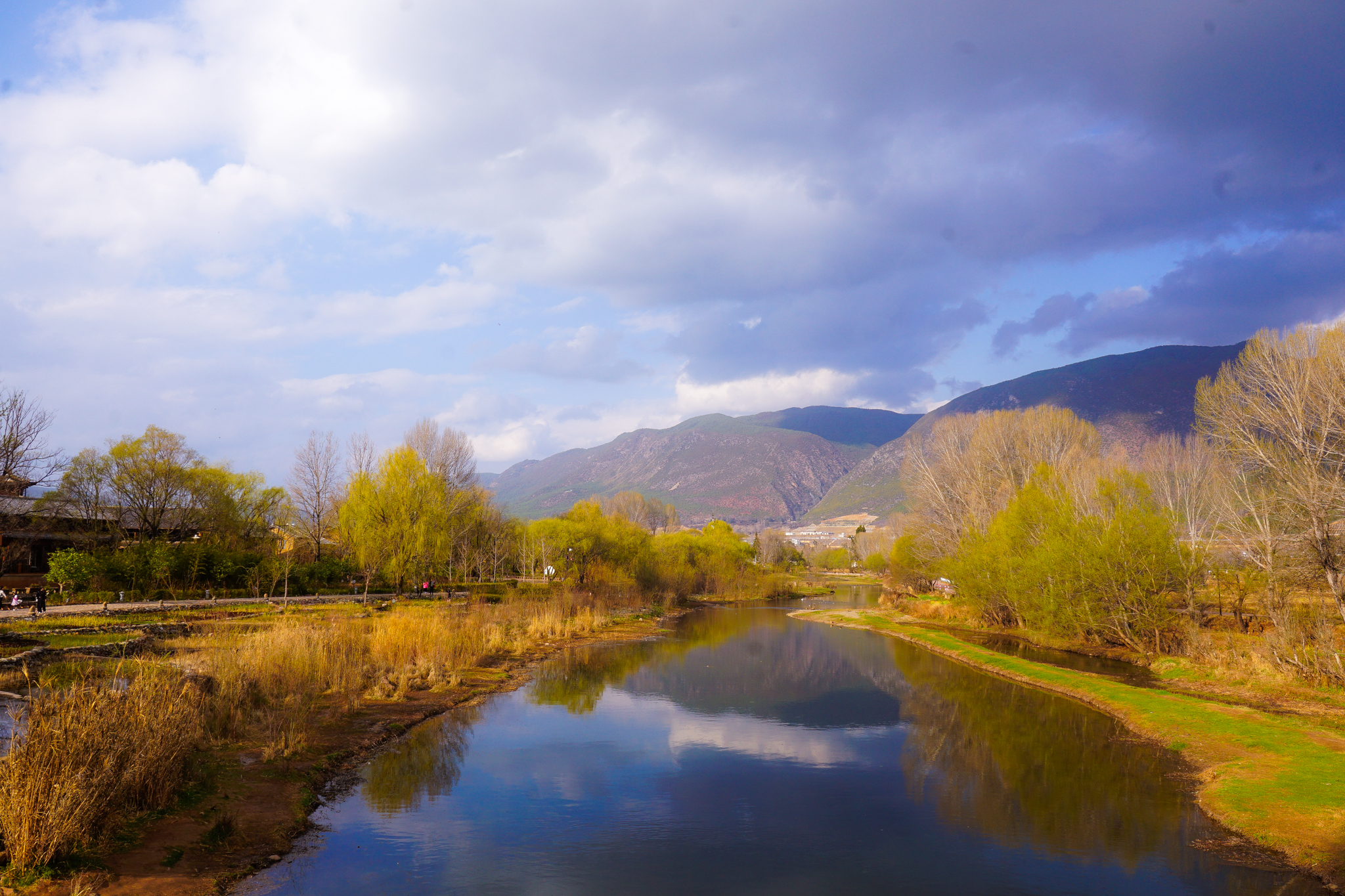
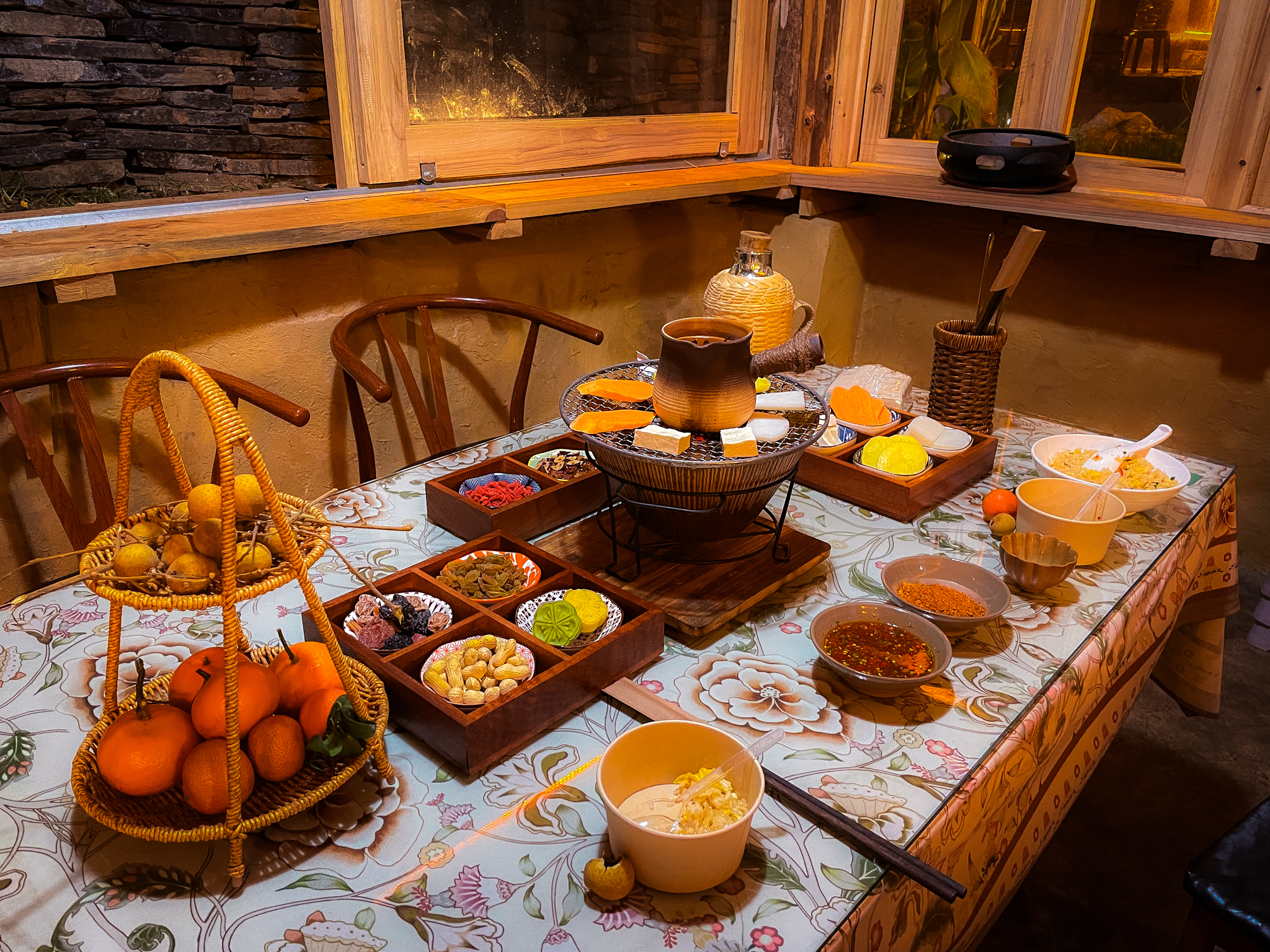
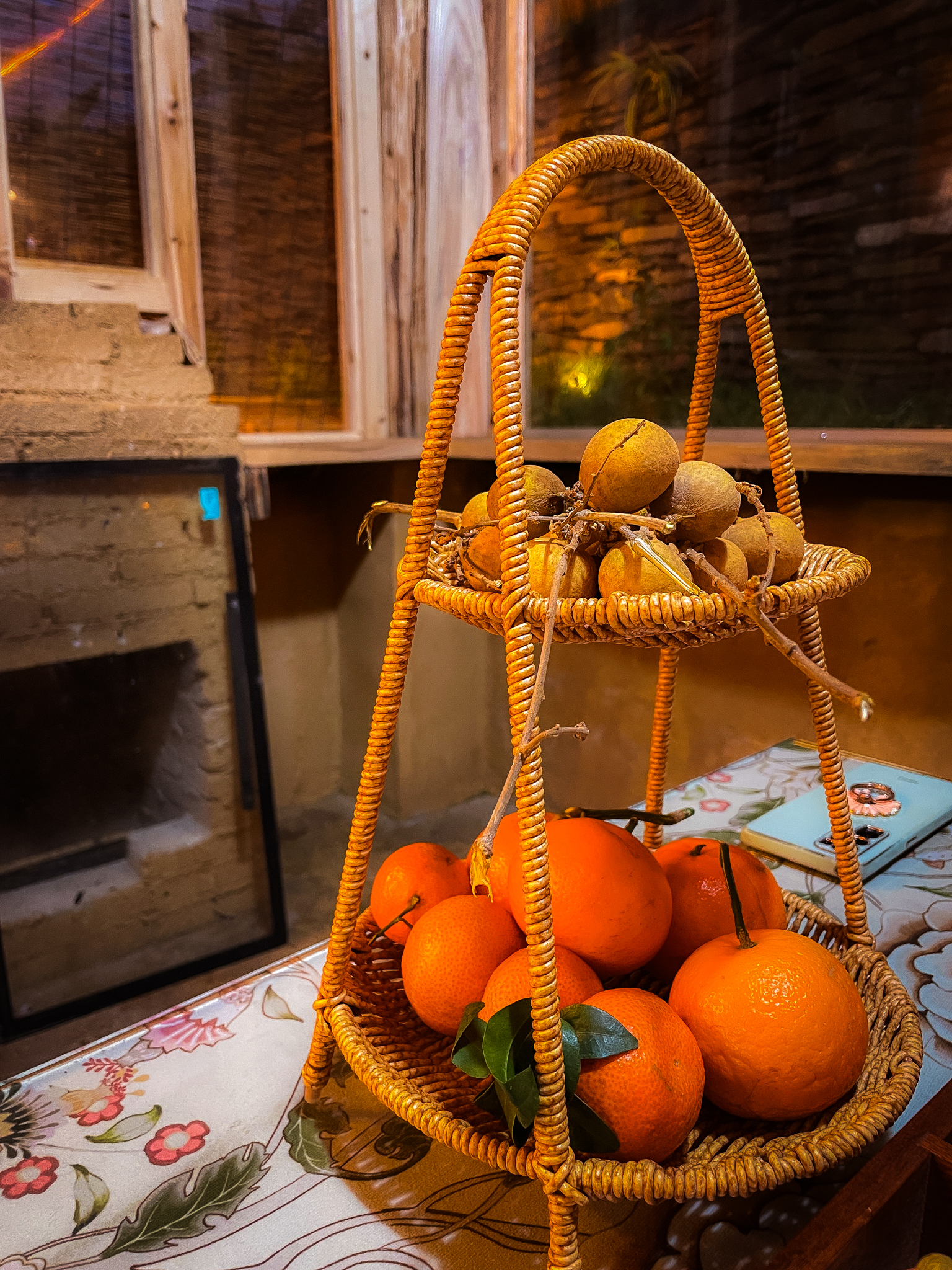
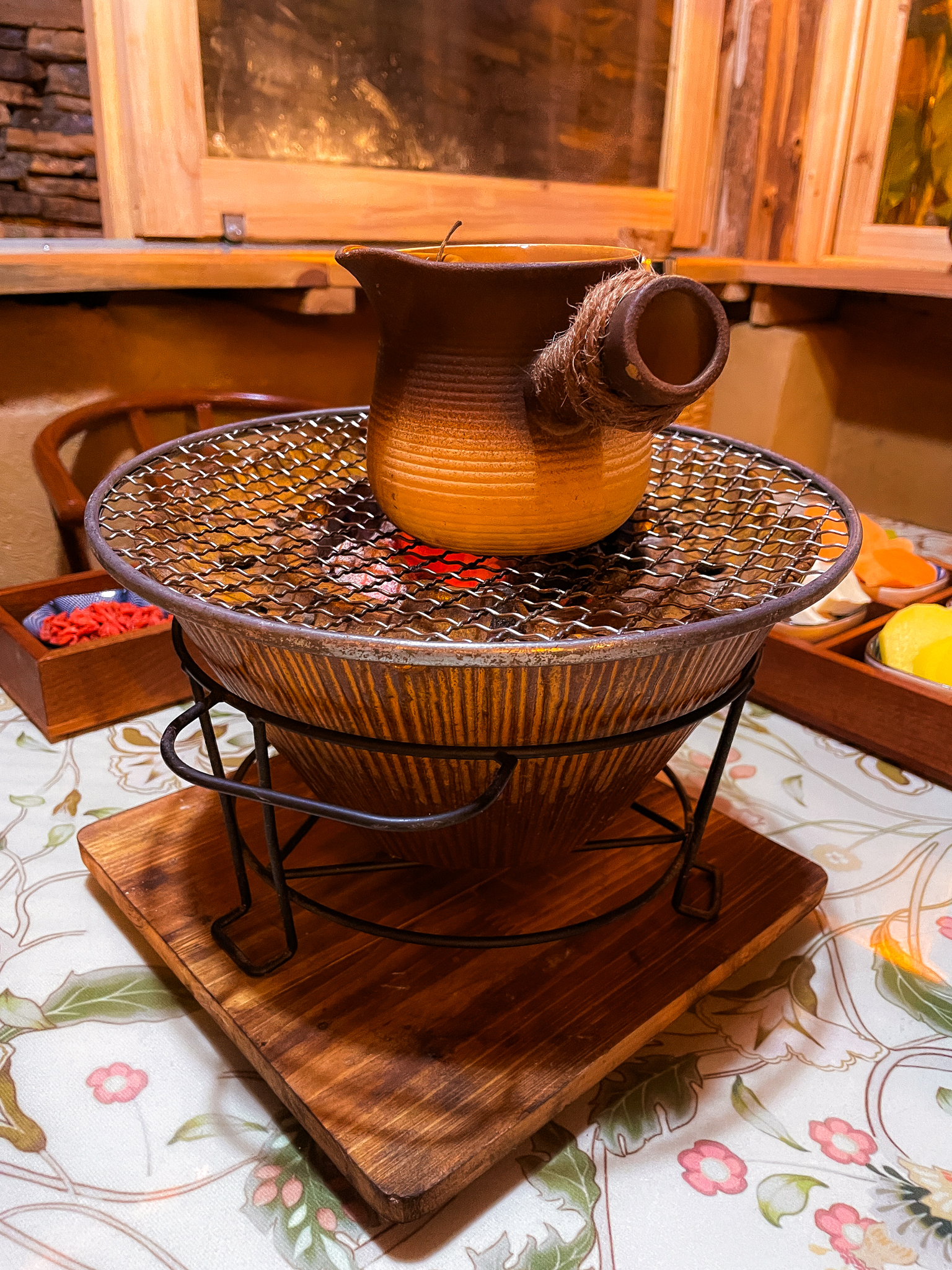
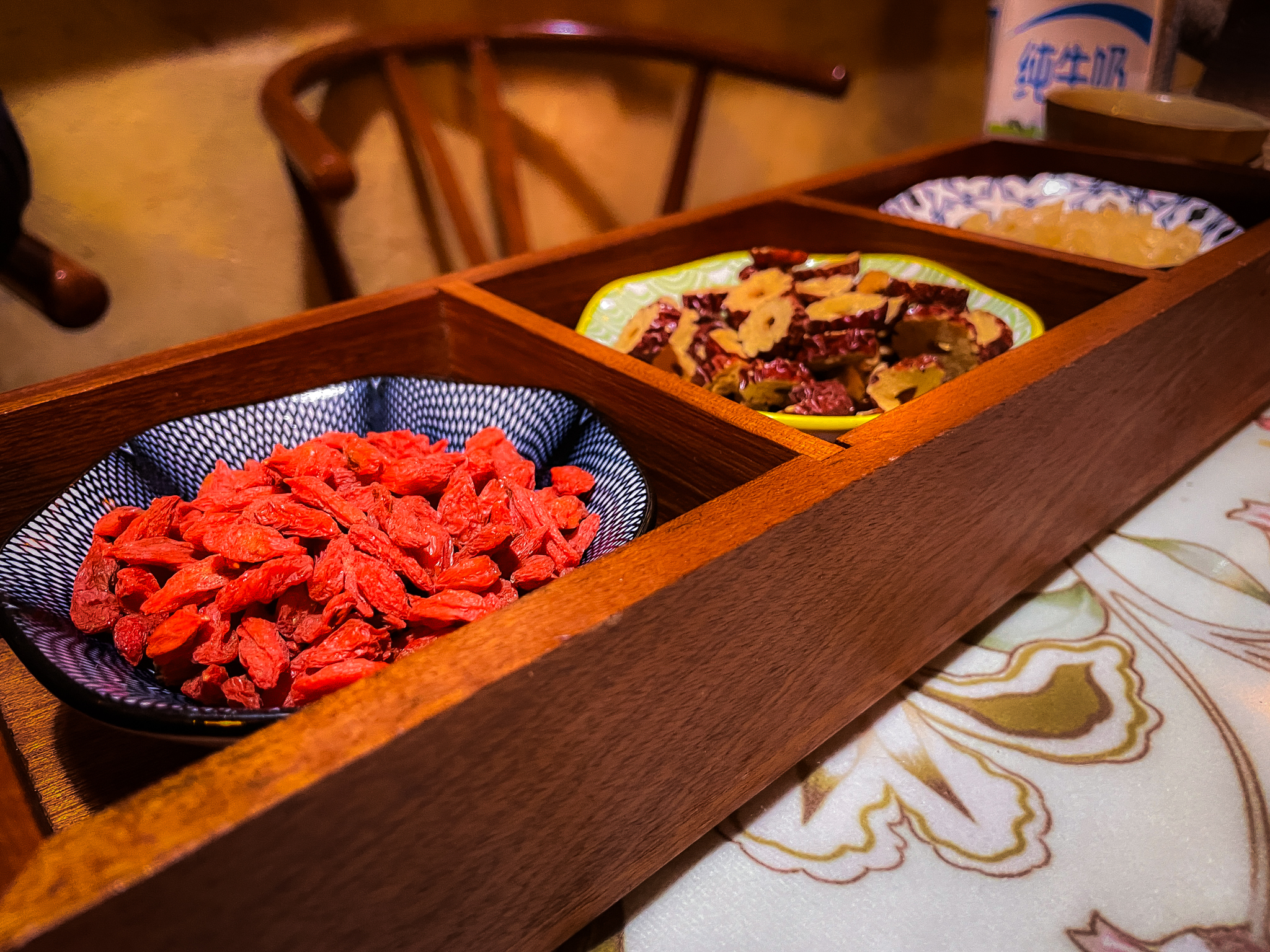
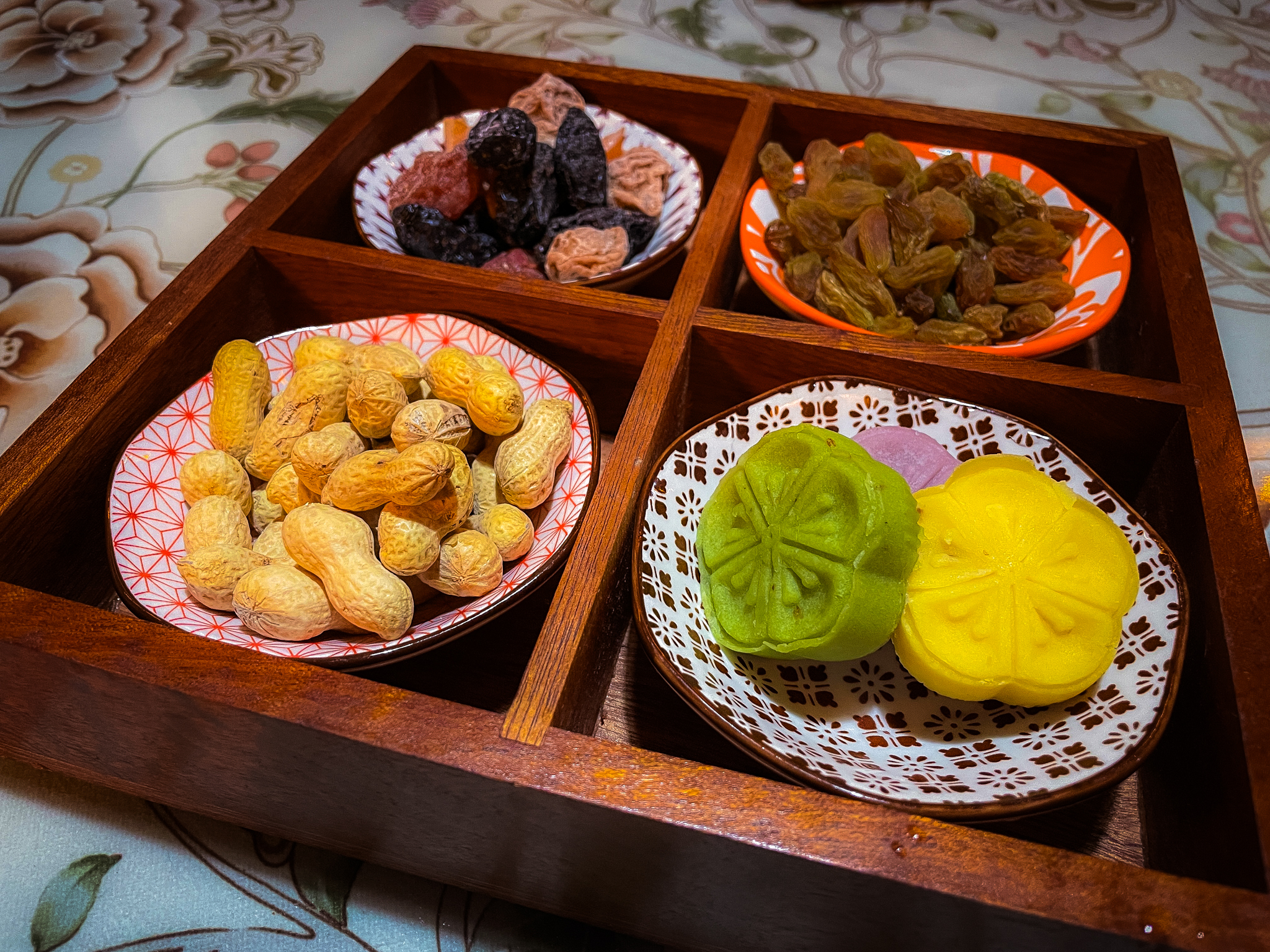
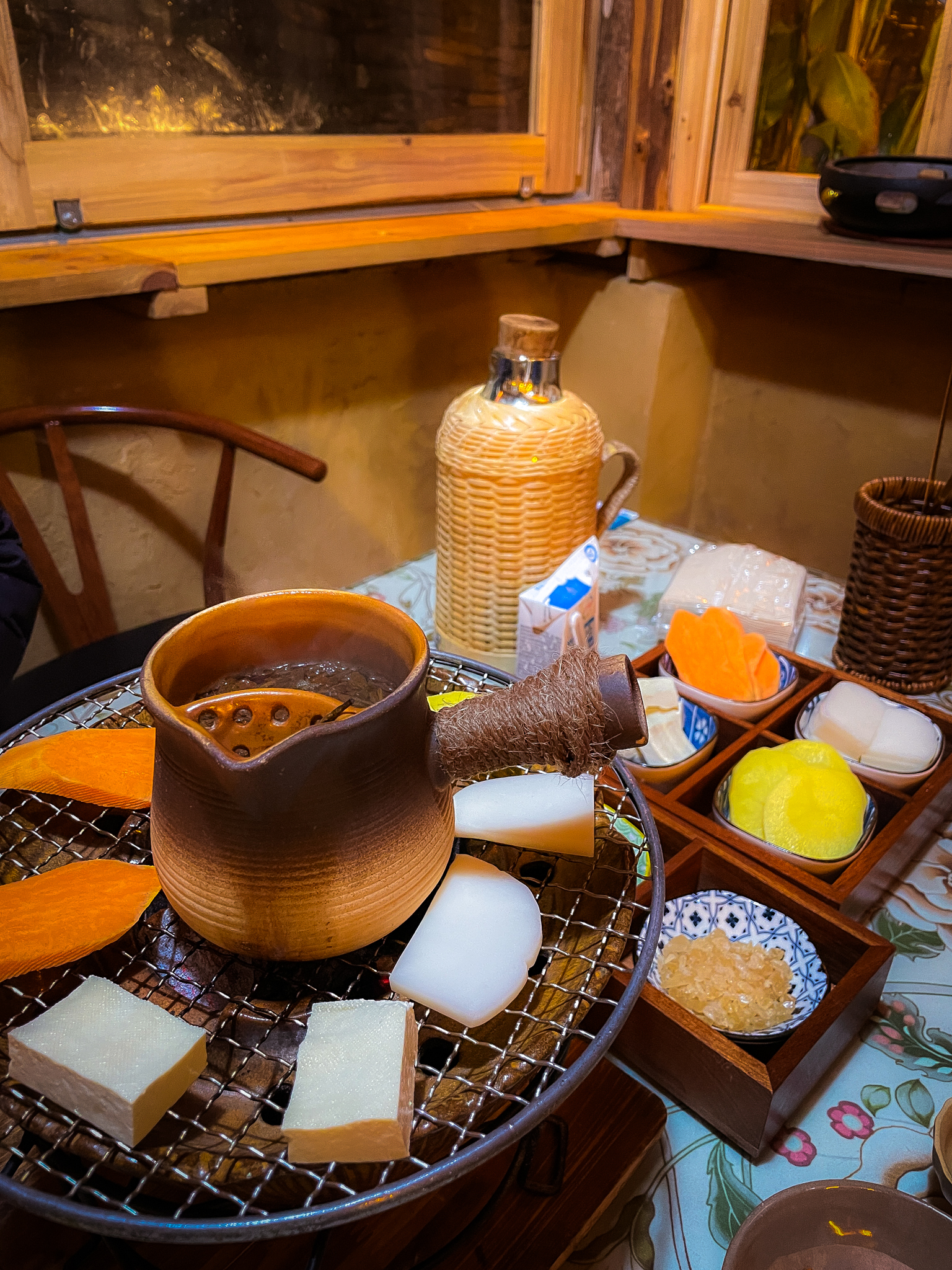
So, what desserts did we have while in Southern Yunnan? We had several in fact, but here, we will spotlight the traditional Chinese afternoon tea style, the type that one might have partaken in several hundred years ago while travelling around the same areas in Yunnan. Tea was offered to us in three ways – strong, lighter and then milky — and we steeped it with goji berries, red dates and ginger. It came accompanied with a rainbow assortment of sweet potato, yellow potato and rice cakes to be roasted on a charcoal griddle, and also platters of fresh local fruit, and just slightly-sweet traditional Chinese pastries. During our journey through Southern Yunnan, we spent one such afternoon slowly sipping tea as the yellow canola flowers swayed in the distant fields, and the clouds above us weaved patterns with the sun and later, the moon. Sometimes, even travelling off the beaten path can start to feel like a checkbox exercise, and that is when it becomes important to stop the clock and just breathe.
Dessert adventure checklist
- ☑ Dessert destination: Southern Yunnan, China.
- ☑ Budget: $-$$.
- ☑ Sweet irresistibles: Traditional Chinese desserts.
- ☑ Travel notes:
- How long? Our trip in Southern Yunnan was about 10 days. Starting in Kunming, we traversed Luoping, Yuanyang, Jianshui, and Shaxi.
- When to visit? We visited in late February-early March. It was perfect timing to see the shimmering water of the rice terraces in Yuanyang, but slightly too early that year for the peak of the canola flowers in Luoping. The weather was cool throughout, no more than 20 degrees Celsius, with chilly mornings and evenings.
- How to get there? Southern Yunnan is not easy to get around on a DIY basis. It also requires a car. We arranged for a private tour, with personal driver and guide. The trip cost approximately USD $3000 per person, including top-of-the-line hotels and internal transport/trains (excluding international flights). Feel free to leave a comment below or contact us in the Contact page for more information. Check out our IG too for more details.
- Where to stay? The hotels we stayed at are described in the above.

