Introduction
Since relocating to Asia last year, we have taken any and every opportunity to hunt down the many exquisite desserts that the region has to offer — starting with a Chinese New Year-themed high tea in Kuala Lumpur, we then compared two of the best kuih shops in Penang, escaped the pandemonium of Hanoi by taking high tea in the clouds, slurped bowls of che admist glowing lanterns in Hoi An, feasted on exquisitely-crafted sakura high teas and all the best wagashi in Tokyo, hopscotched through Singapore’s best traditional high teas, became bedazzled by fabulous Thai high teas in Bangkok and two of Bangkok’s most instagrammable dessert cafes, and sobbed over Korean rice cakes in an artificial hanok village at the outskirts of Seoul. In this latest volume of our Asian dessert travel adventures, we ventured across the border to our ancestral homeland province of Fujian, visiting both Xiamen and Quanzhou over a long weekend. As with almost every Chinese city we have been to to date, Xiamen proved to be far larger and more expansive than our little brains imagined. So, here’s a very mini – rather than extensive – run-down of modern Chinese desserts that we sampled while there.
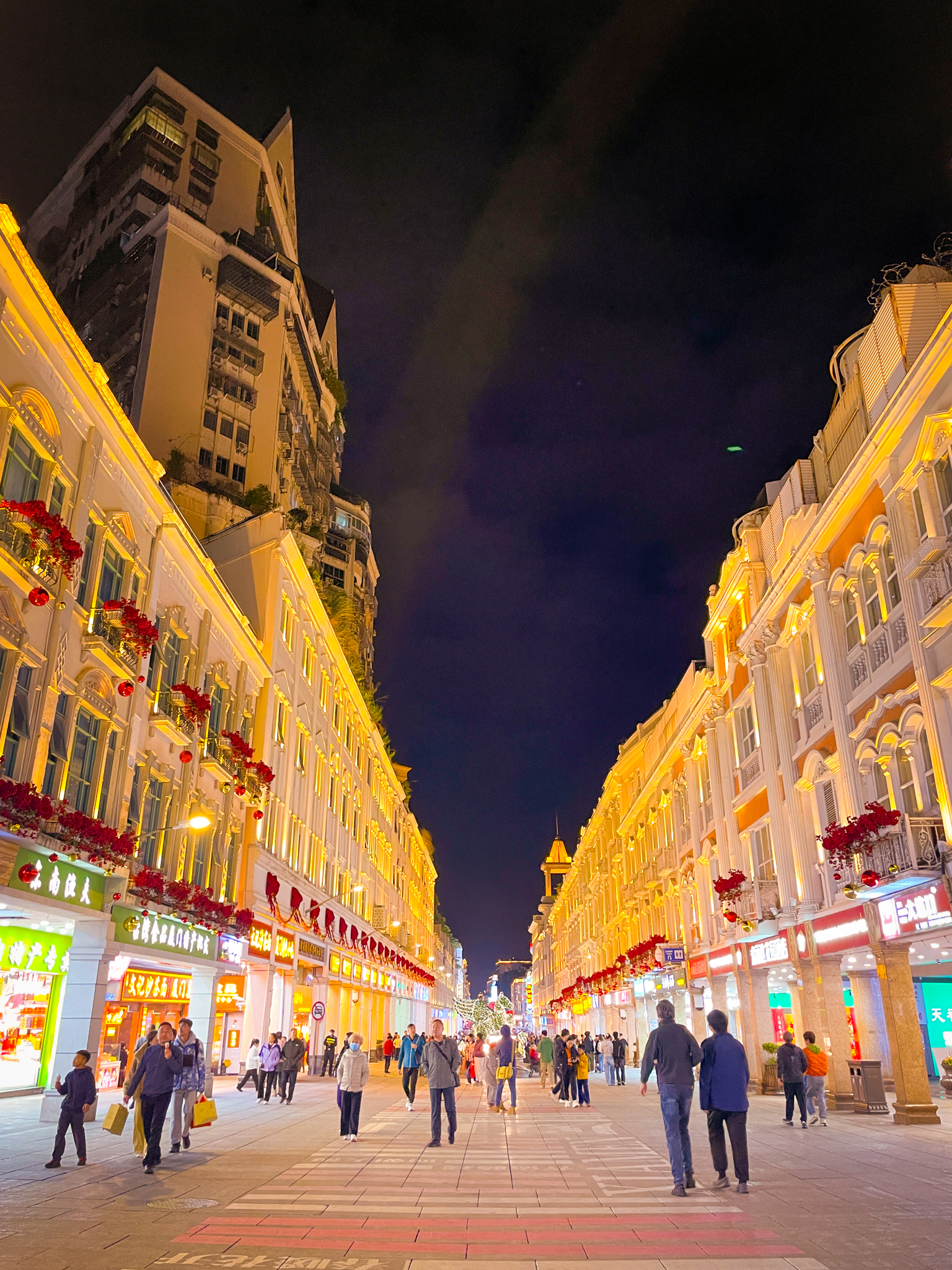
Tea biscuit cakes from Zhongshan Road (中山路)
 Dessert destination: Zhongshan Road, Siming District, Xiamen.
- Budget: $ (under USD $15).
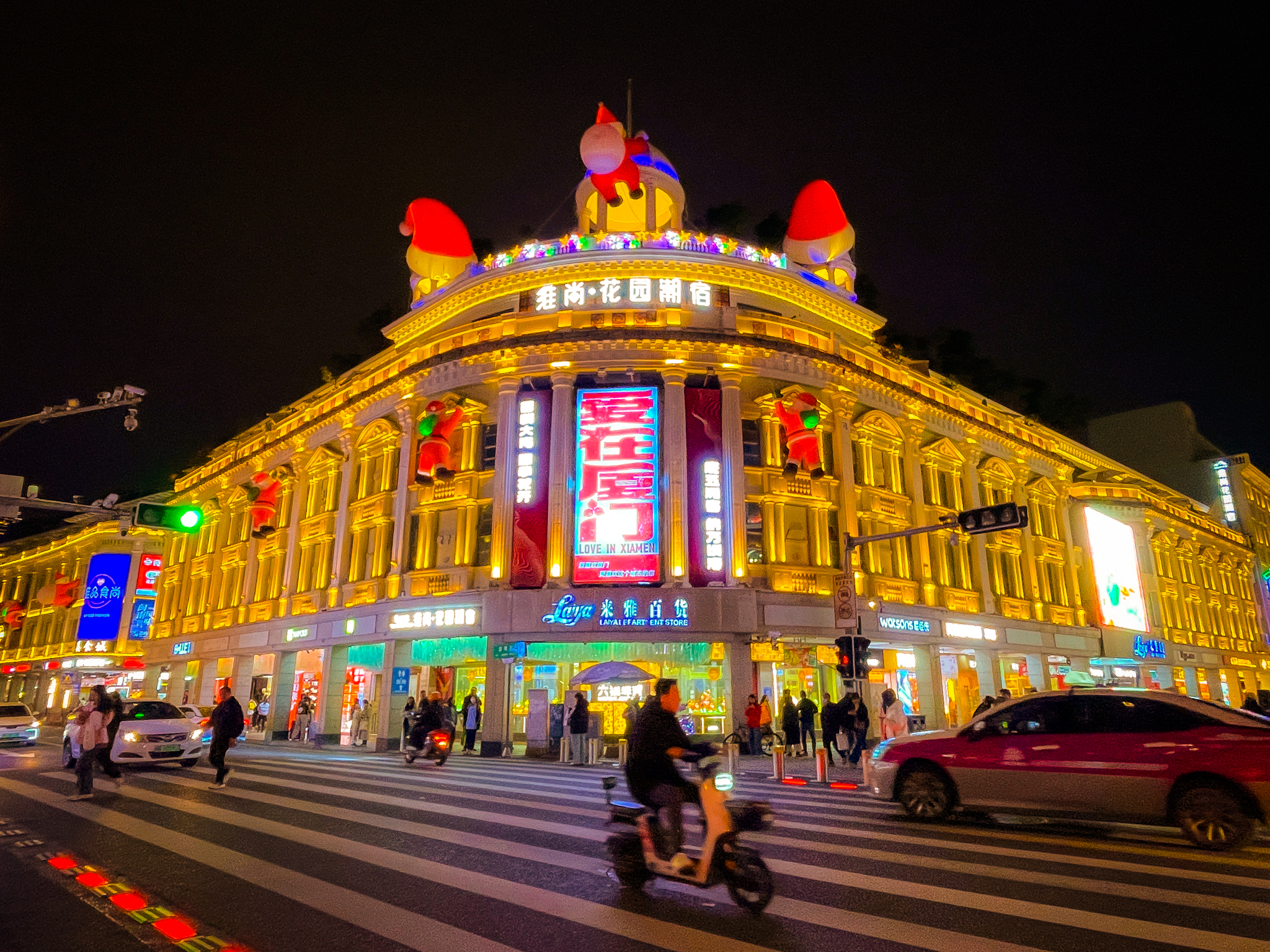
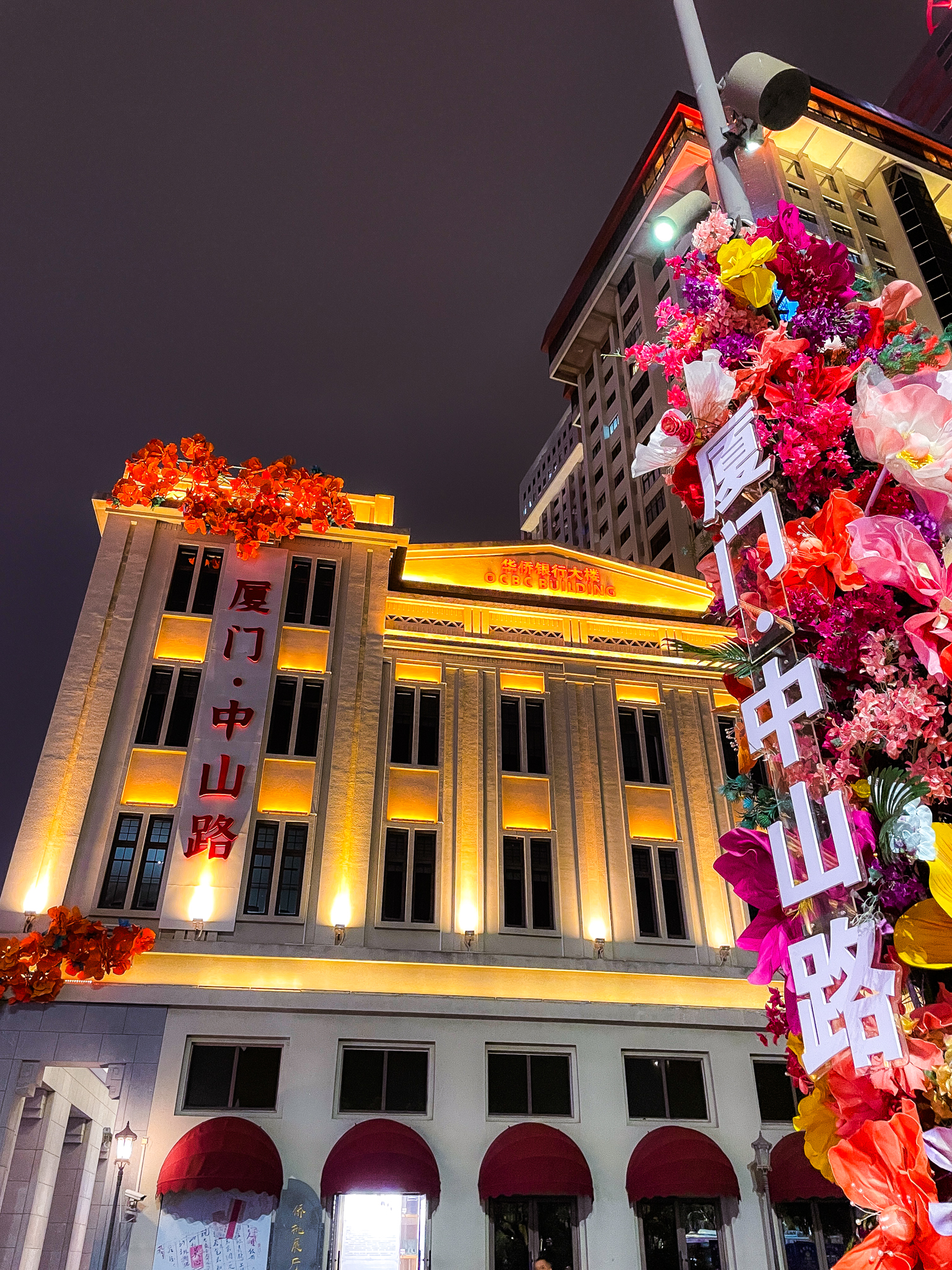
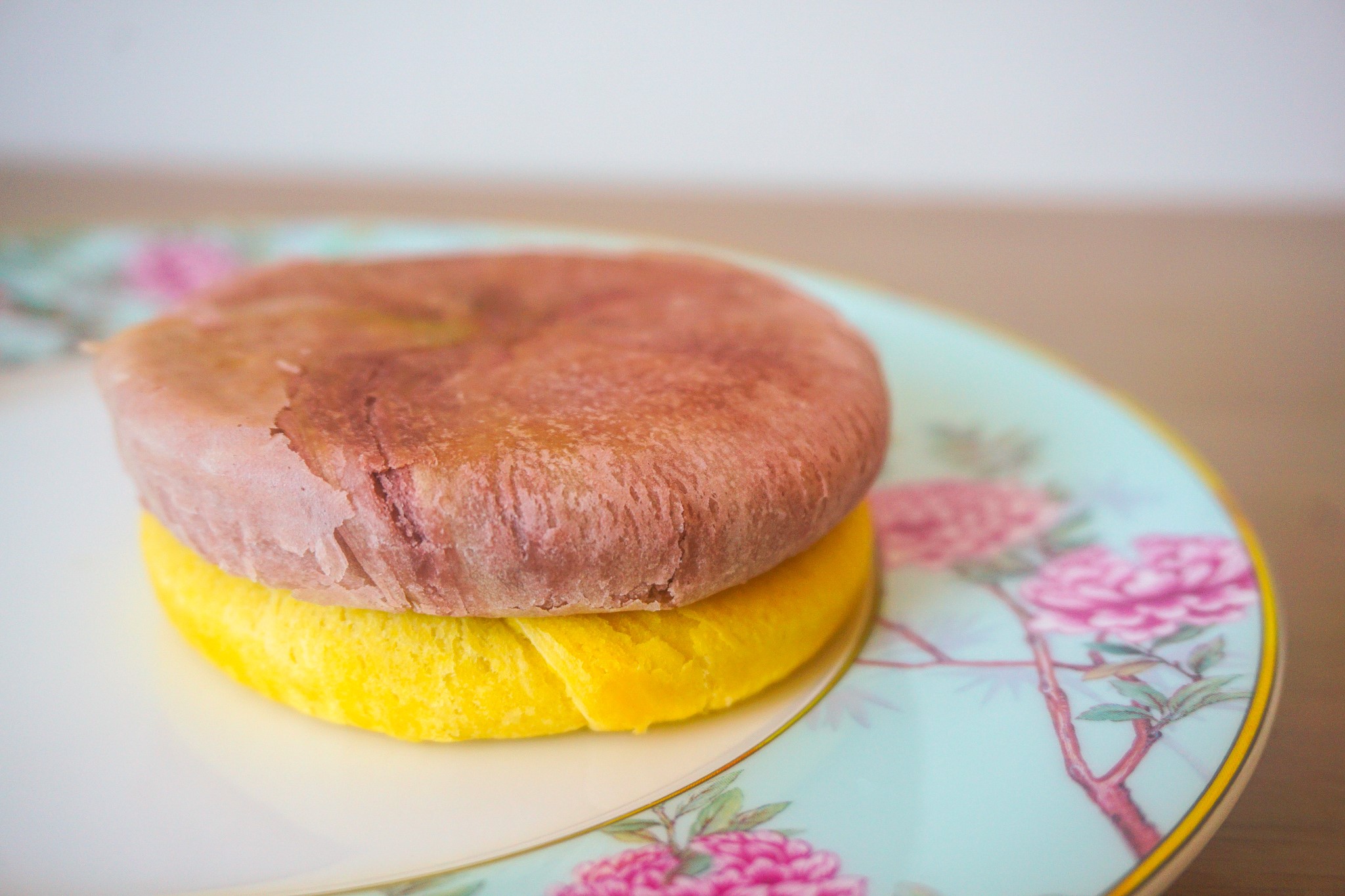
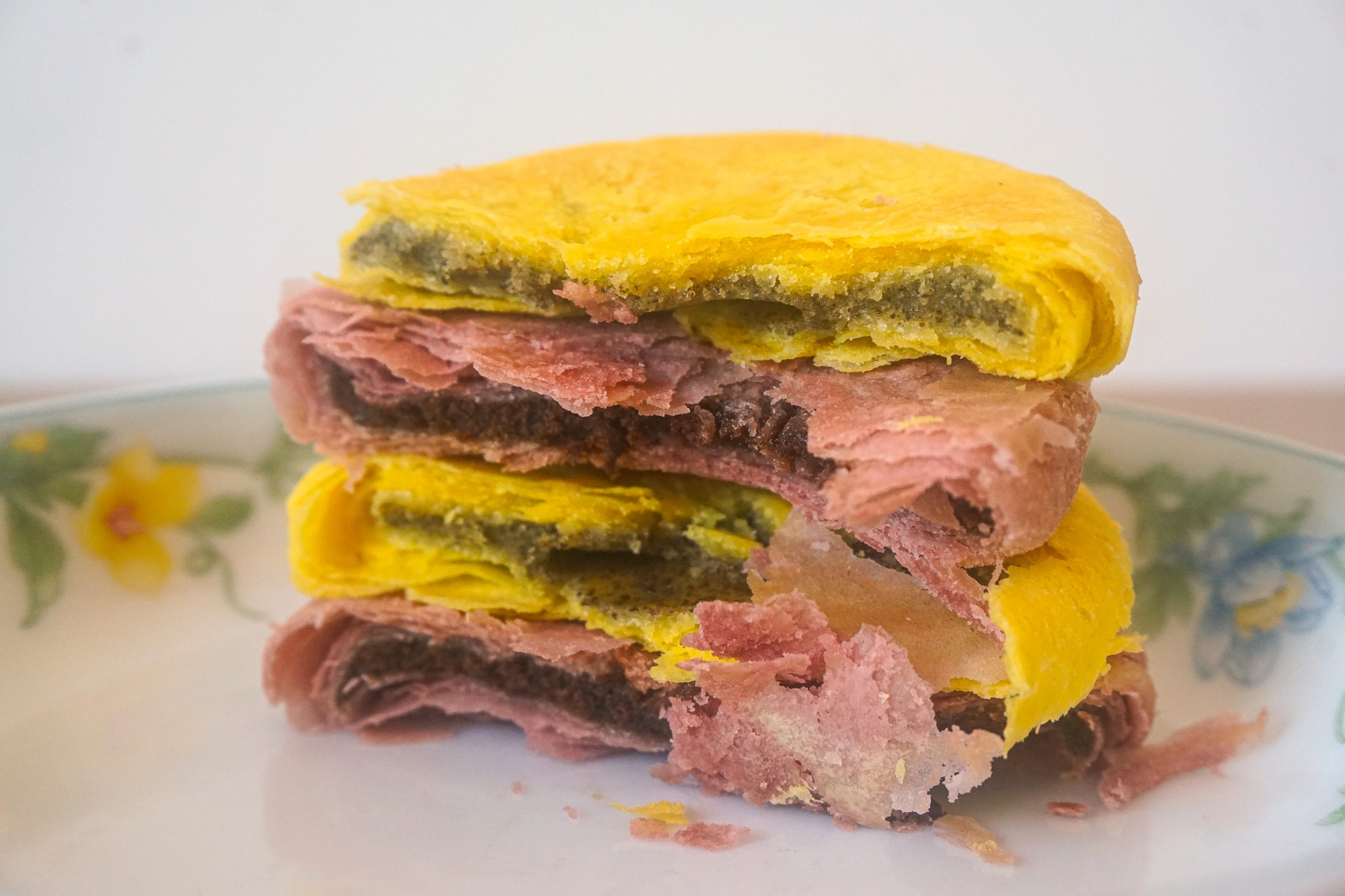
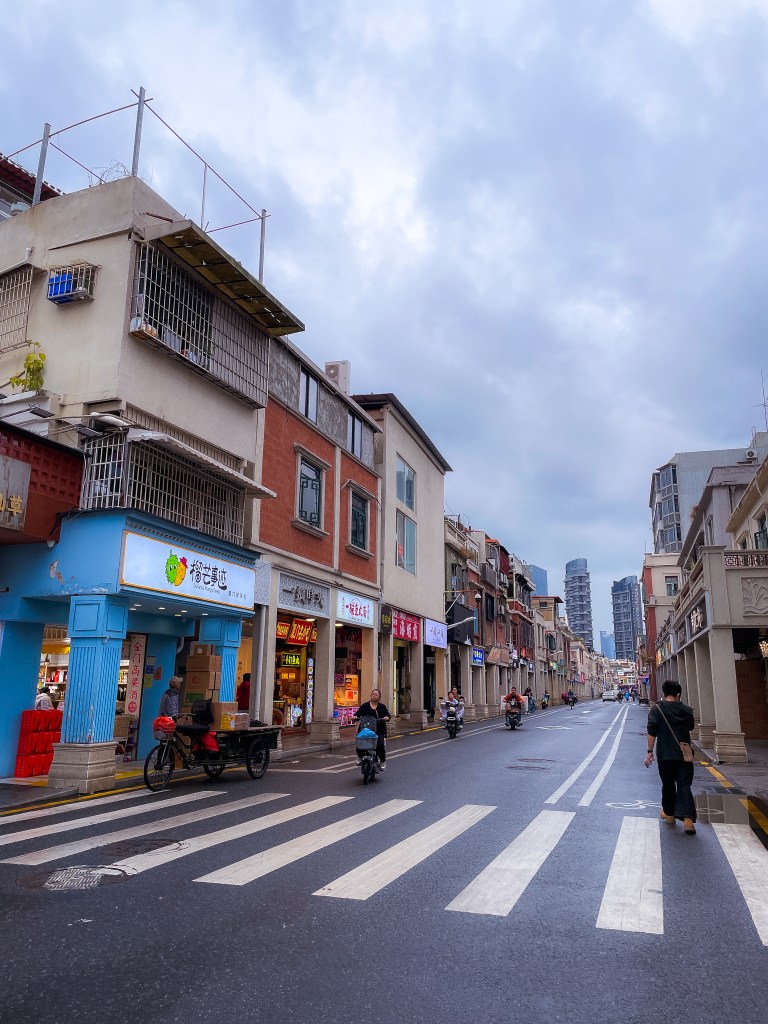
- Short and sweet story: Zhongshan Road is the main commercial shopping street in Xiamen. Built in the 1920s, some years after our ancestors had emigrated, it’s a street that our ancestors would most certainly not have recognized. Xiamen curiously possesses a very strong European architectural sensibility, and the buildings that line Zhongshan Road follow this style. Coming alive in the evening, the pedestrian street is home to a multitude of modern clothing stores, traditional street food stands, and for these Dessert Correspondents, a veritable hive of souvenir biscuit stores – we spent consecutive evenings sampling the many, many different tea biscuits here. The exterior of such tea biscuits is similar to the Yunnan Flower Cake – a light flaky shell – but the heart features tea-infused sweet paste as opposed to sugared rose petals.
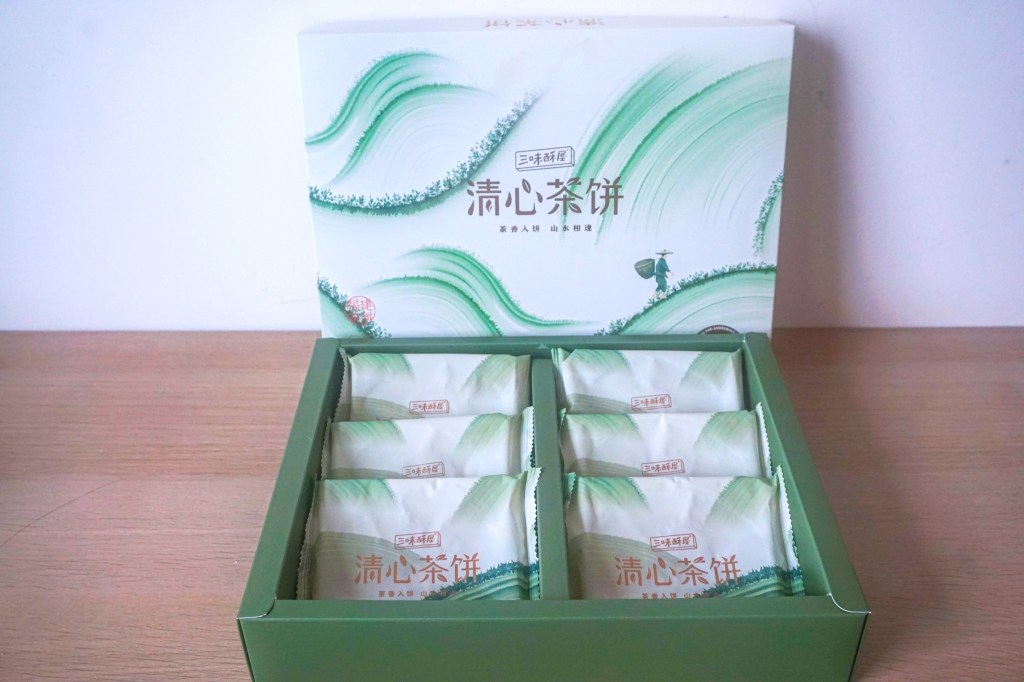
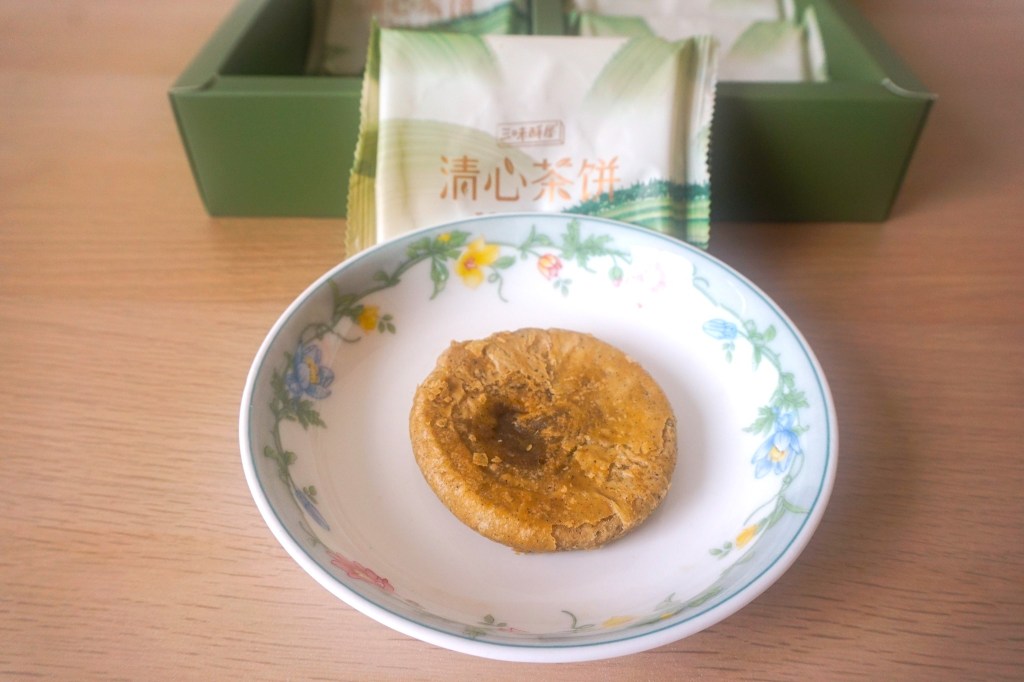
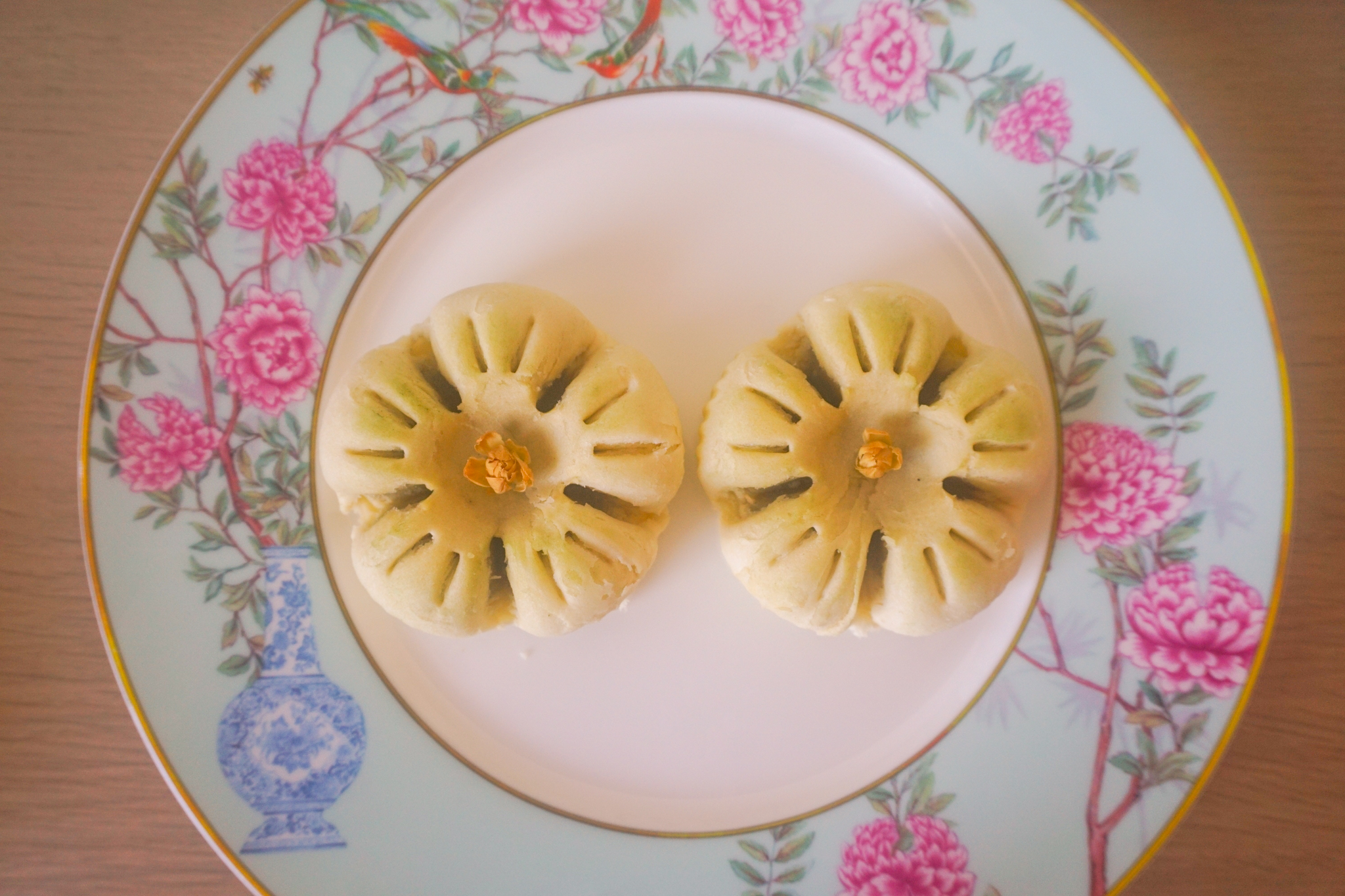
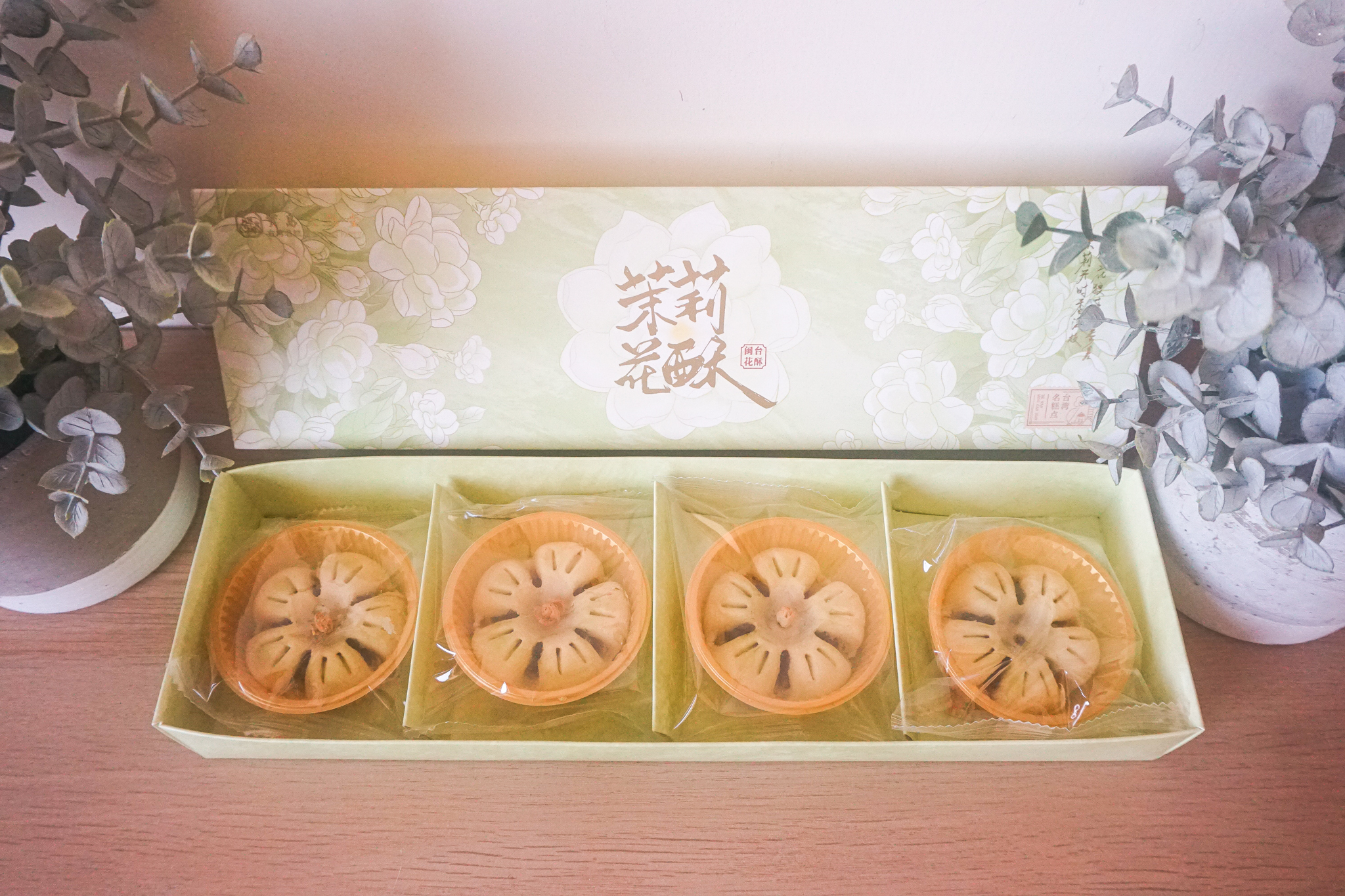
Song Dynasty-style mousse-cakes from Tang Suo (瑭所)
- Dessert destination: Tang Suo Patisserie, Ground Floor (near Tiffany & Co), MixC Shopping Centre, Siming District, Xiamen.
- Budget: $ (under USD $10).
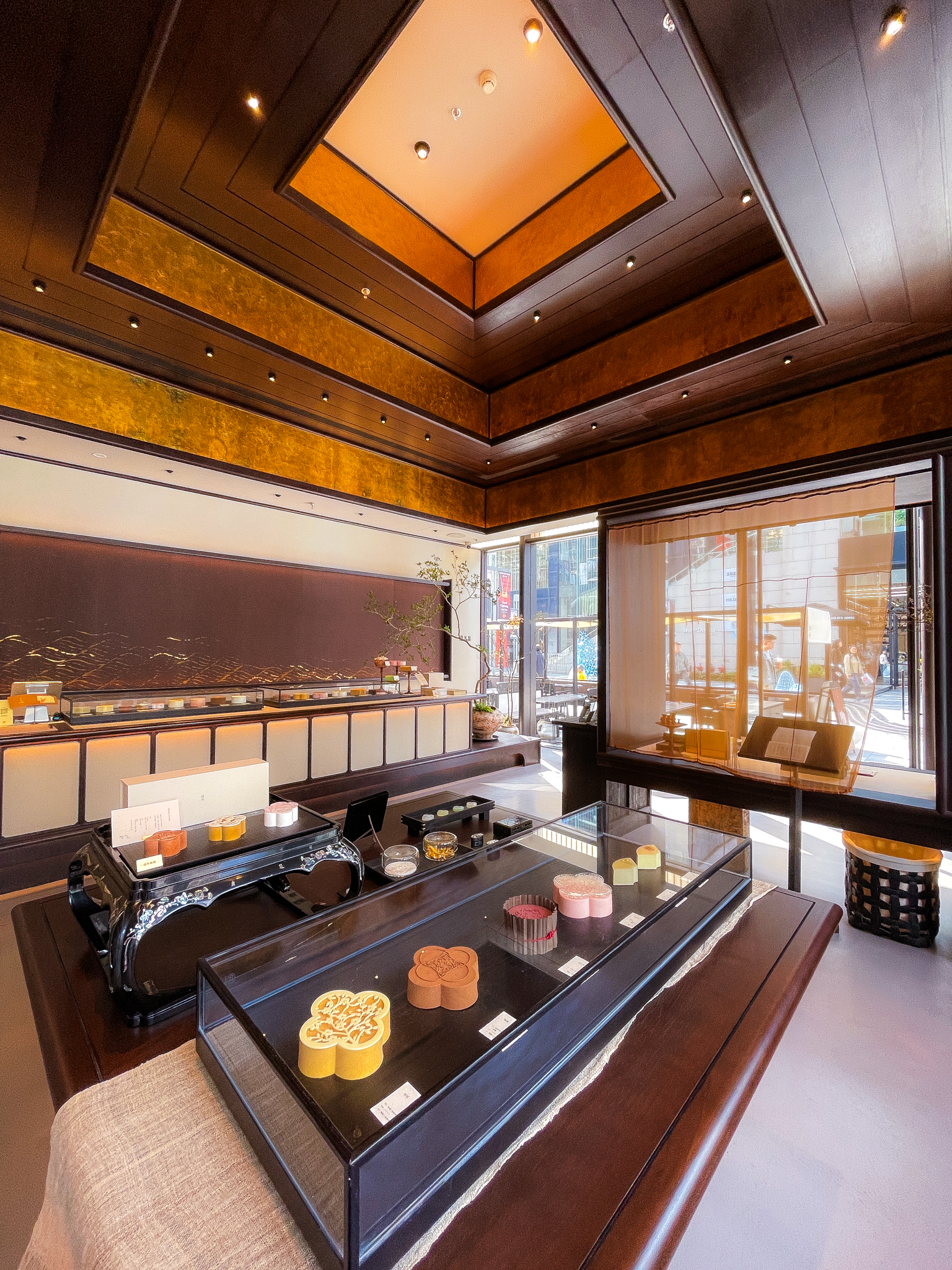
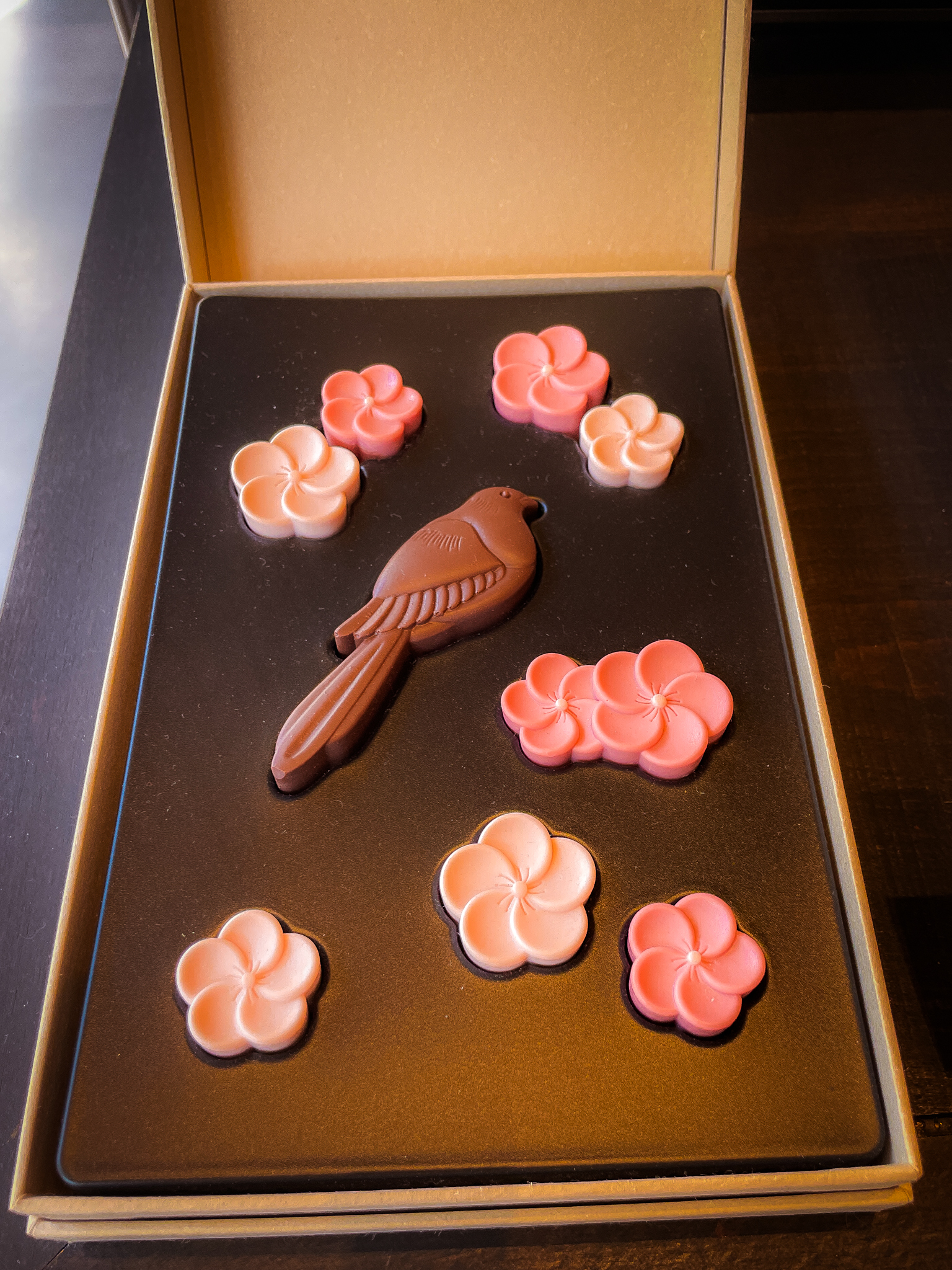
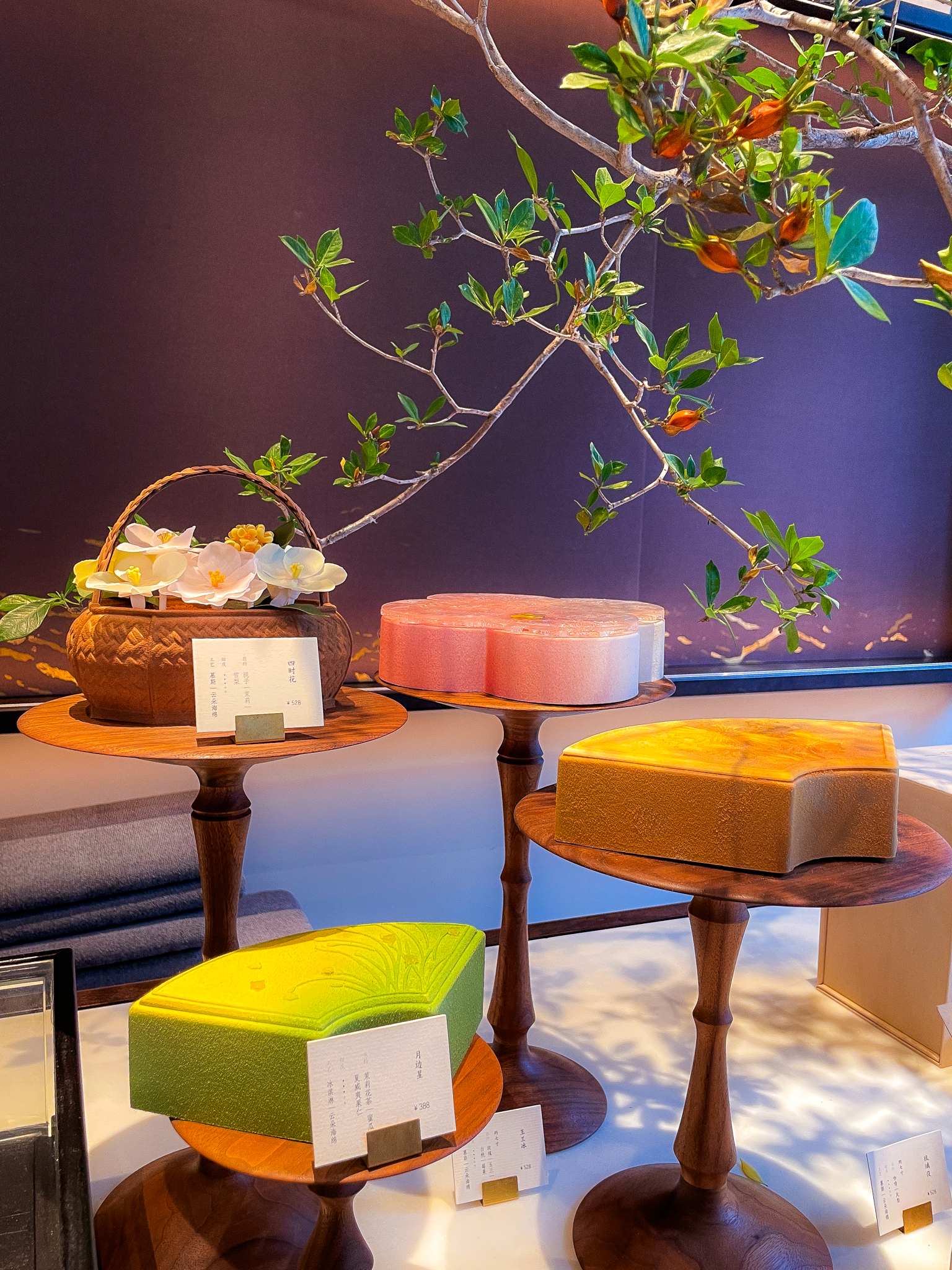
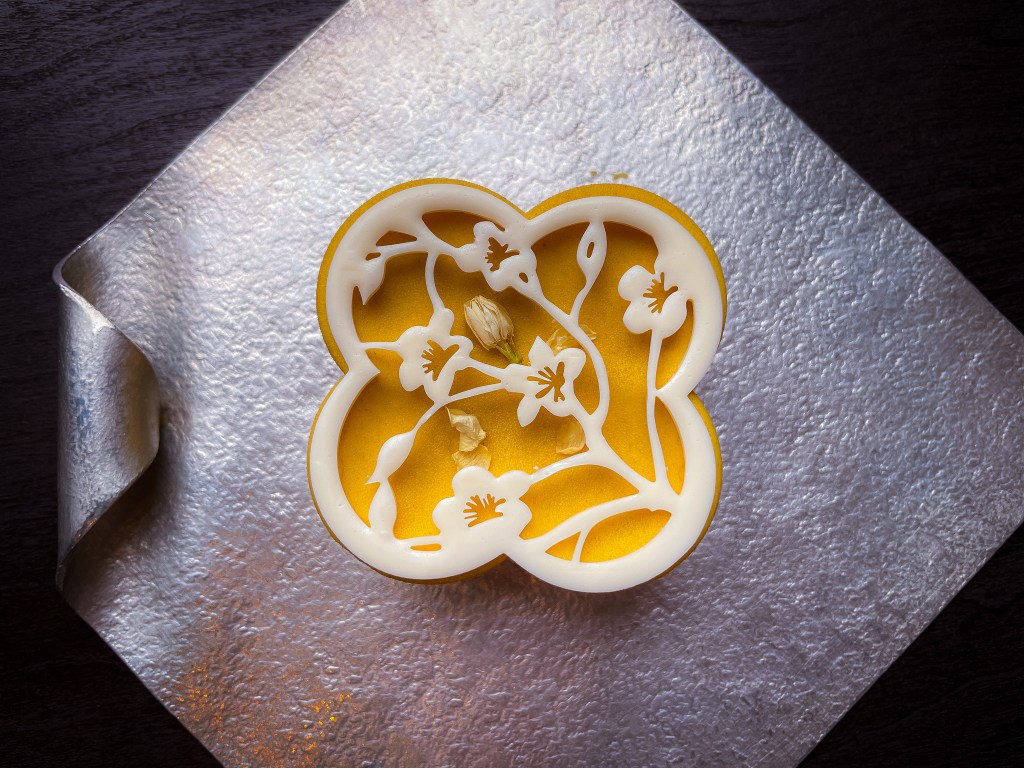
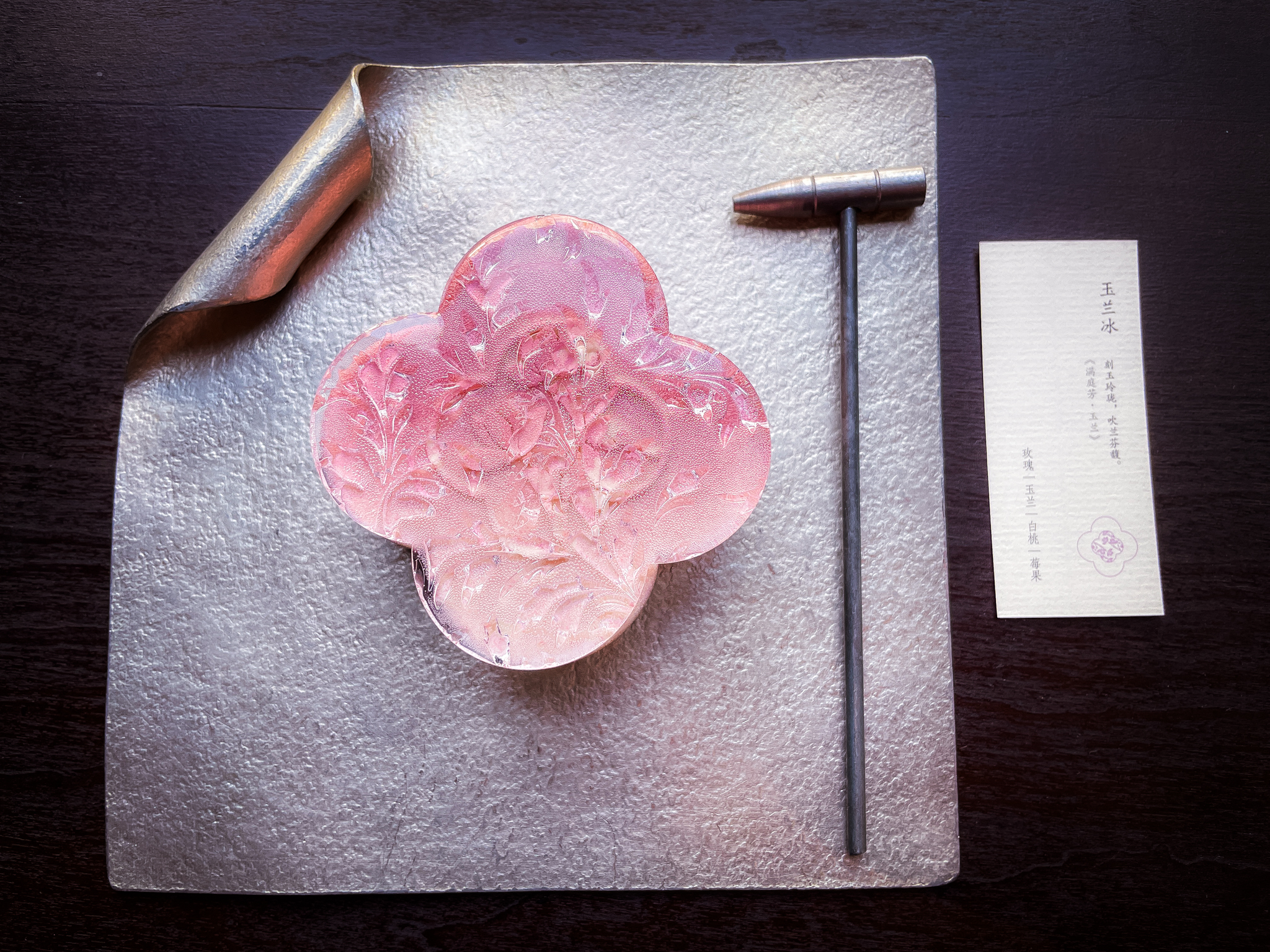
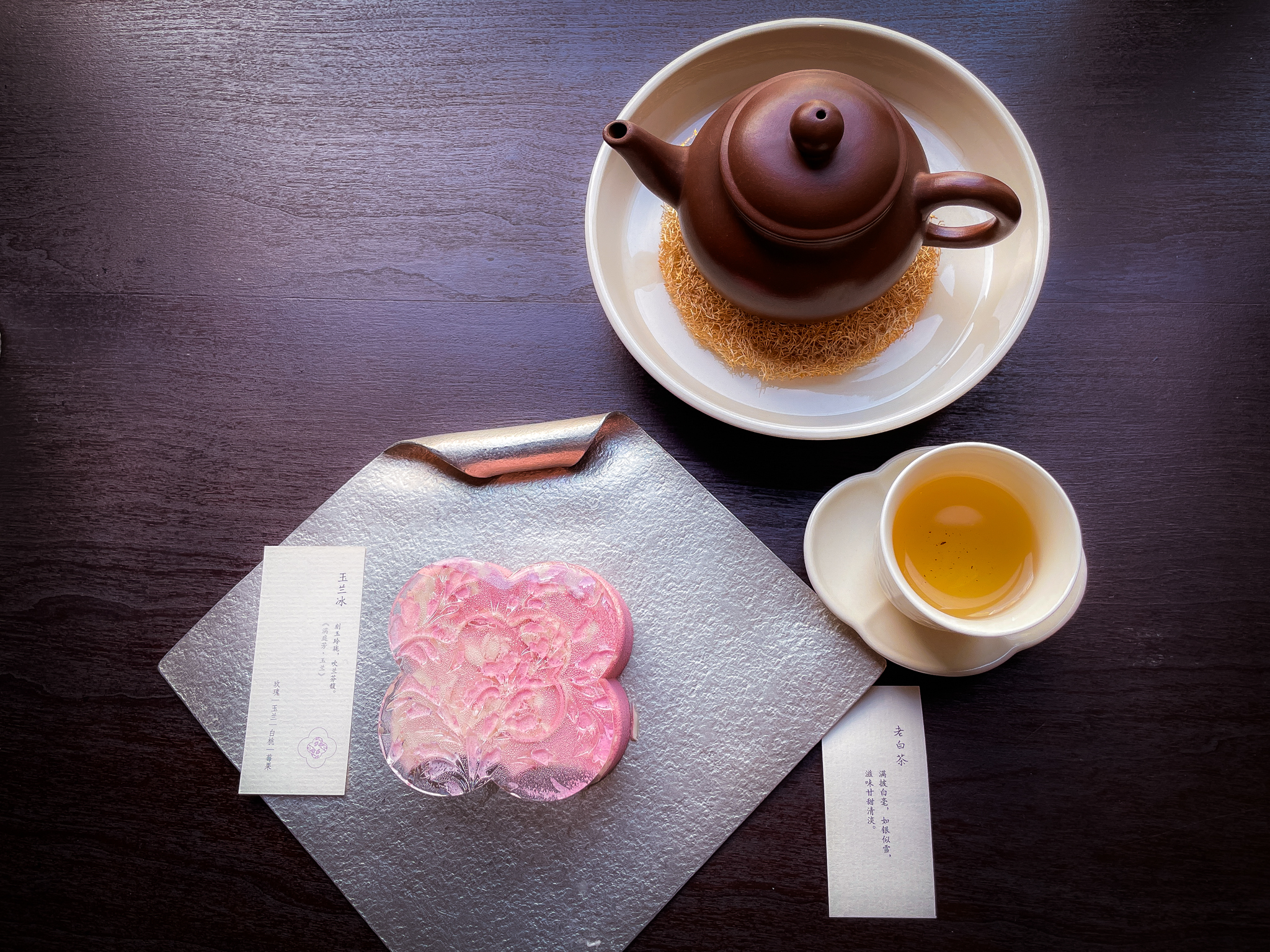
- Short and sweet story: By contrast to Zhongshan Road’s dessert shops which are all about preserving traditional Chinese dessert baking style, Tang Suo — located about 25 minutes driving distance away from Zhongshan Road and in the centre of the modern district instead — is all about infusing Western cake craftmanship with an indelible footprint of Chinese history. We first encountered Tang Suo on a short business trip to Beijing, but we didn’t have the time to properly visit. The Xiamen branch is similarly well-regarded by Chinese netizens, and is formed as a most elegant teahouse, complete with dark teak wood and fluttering gauze curtains. Aside from a small range of chocolates and other sweet nibbles, it is Tang Suo’s mousse-cakes that are the must-eats. They are exceedingly beautiful, evoking ancient Chinese motifs such as plum blossoms, silk fans and latticed windows, and delicately scented with the likes of snow flowers, jasmine, chrysanthemum tea, etc. The mousse-cake that arrives with a little hammer to smash its sugar glass surface is particularly memorable.
Goldfish tea from Sha Po Wei District
- Dessert destination: Jojo Shufulei, Sha Po Wei District, Xiamen.
- Budget: $ (less than USD $2).
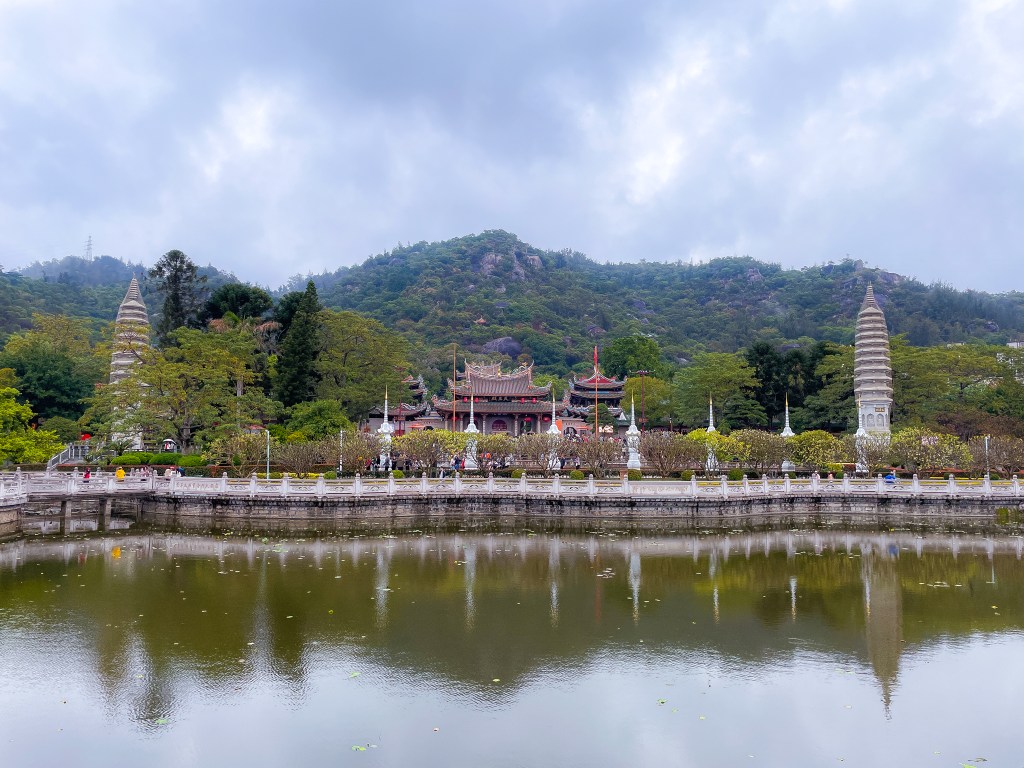
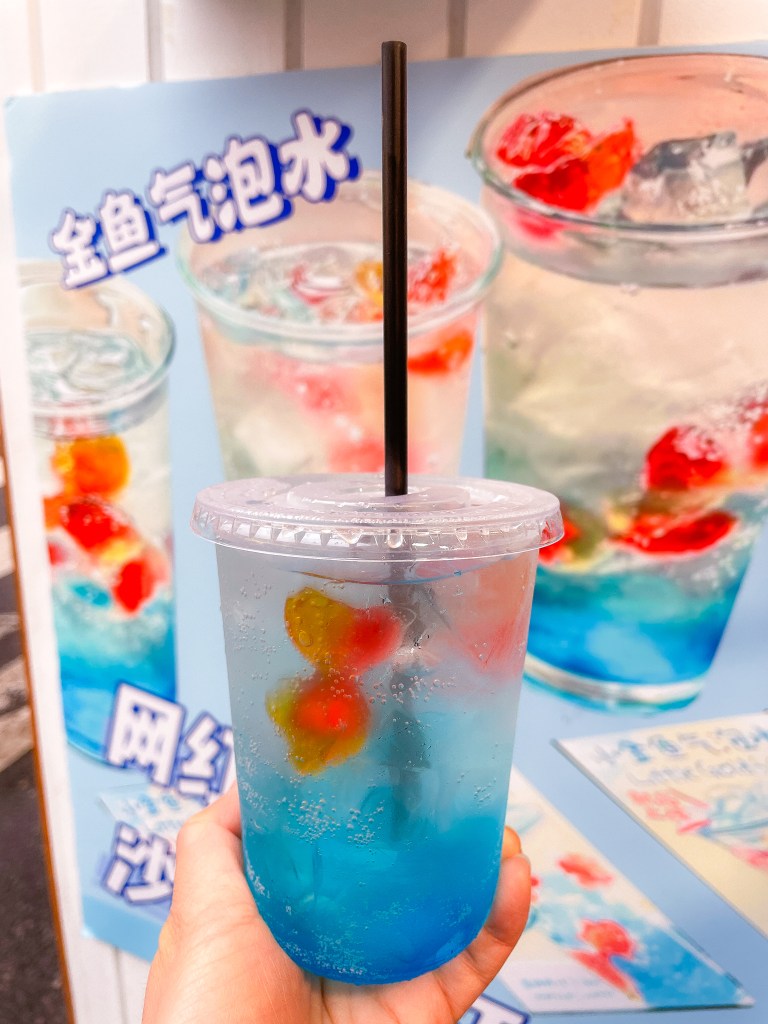
- Short and sweet story: Around the corner from Nanputuo Temple and Xiamen University is the eclectic Sha Po Wei district – think a neighbourhood with a similar vibe as NYC’s Williamsburg or Melbourne’s Fitzroy, but with architecture reminiscent of the older parts of Singapore or Penang. Situated at a “walk by and you might miss it” street corner, don’t overlook the signage where you can get a startling cyan blue cup of sweet tea drink, complete with goldfish candy bobbing up and down like buoys. It’s altogether far too saccharine to finish completely, but it does certainly offer a preview into tea drinks that feature something more creative than the now quotidien bubble tea tapioca pearls.
Traditional sweet soup in Quanzhou’s old town
- Dessert destination: Tang Lili, 117 Xiangyuan Road, Fengze District, Quanzhou (opposite the Kai Yuan Temple).
- Budget: $ (less than USD $5).
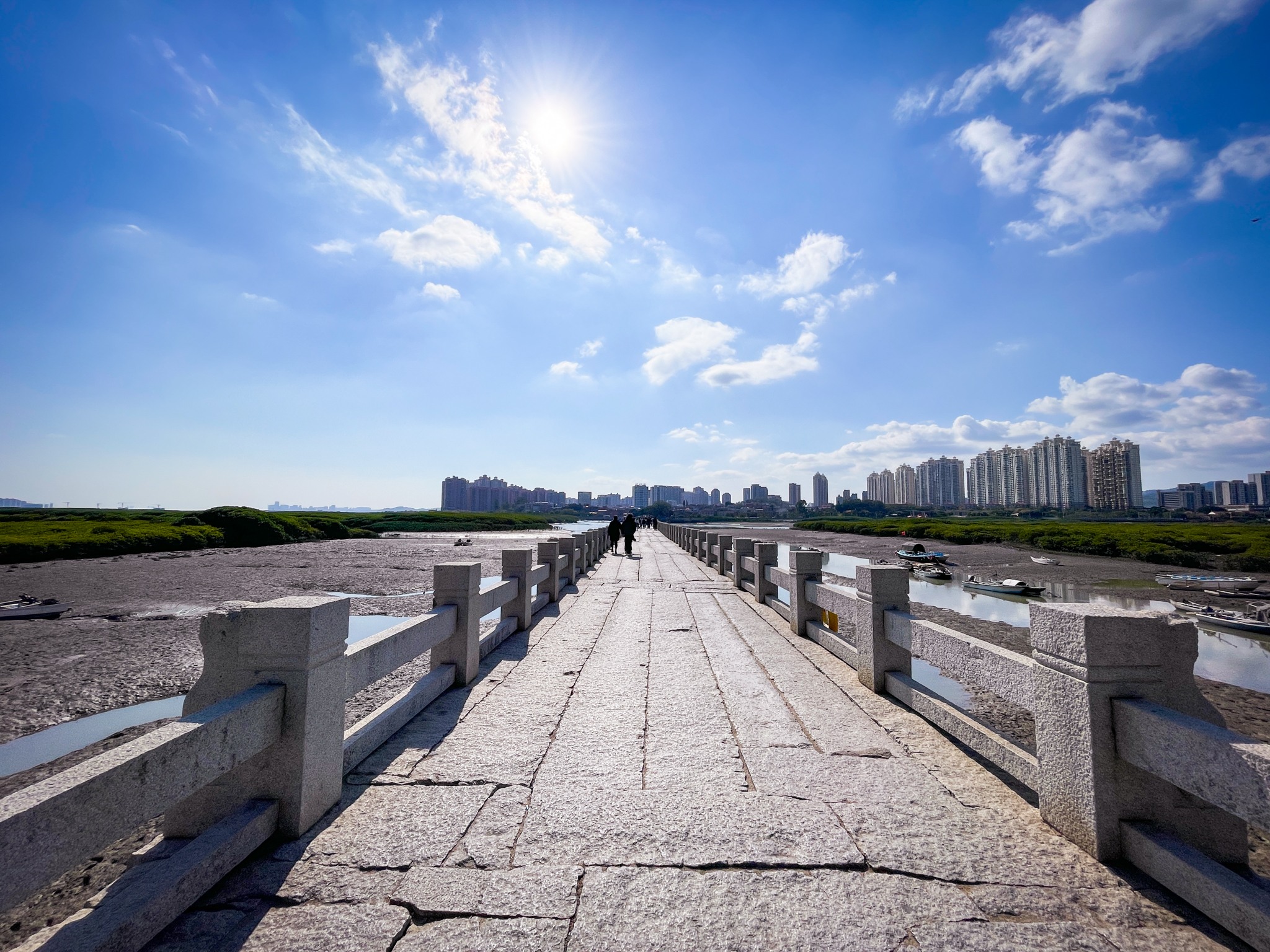
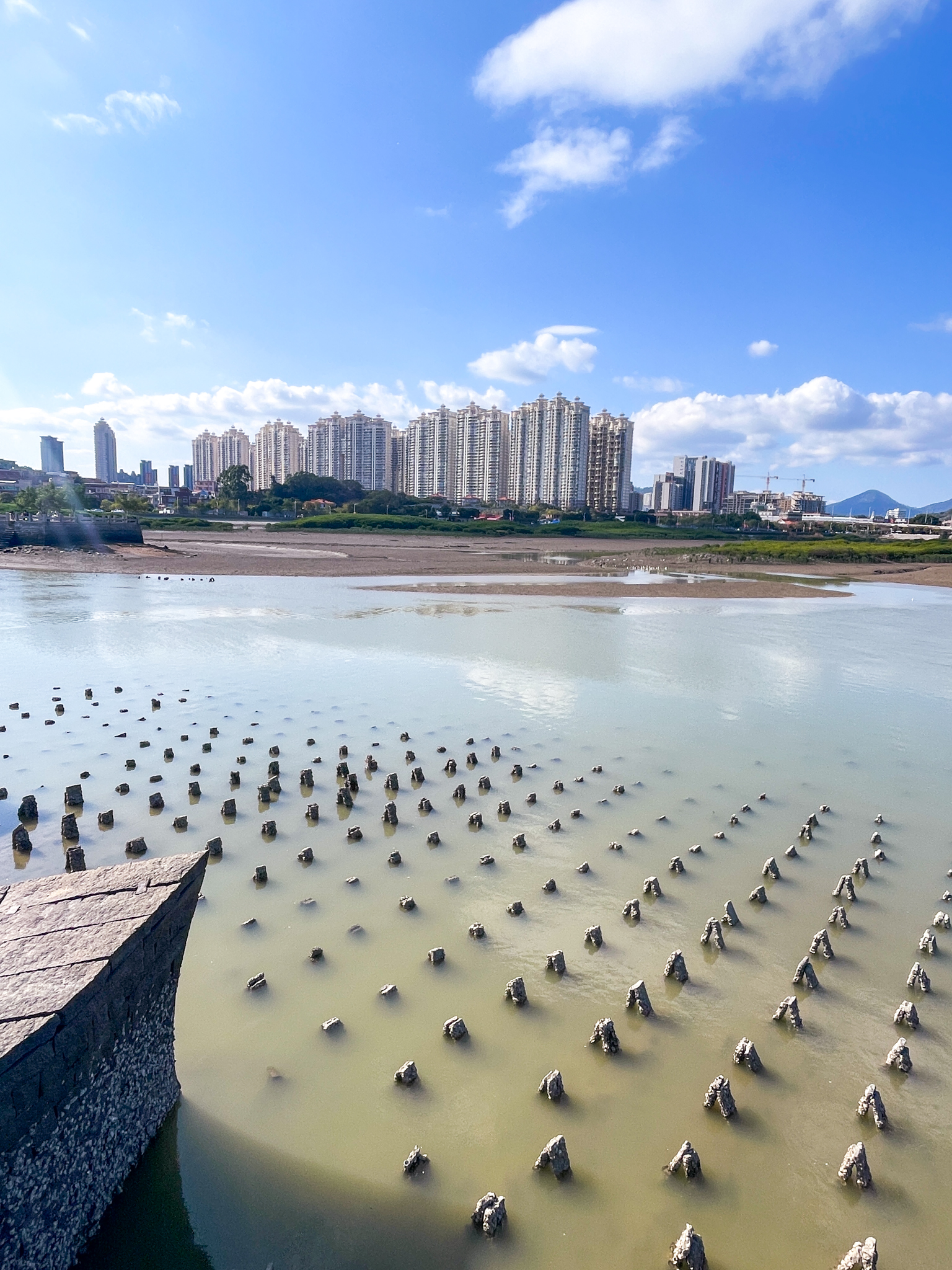
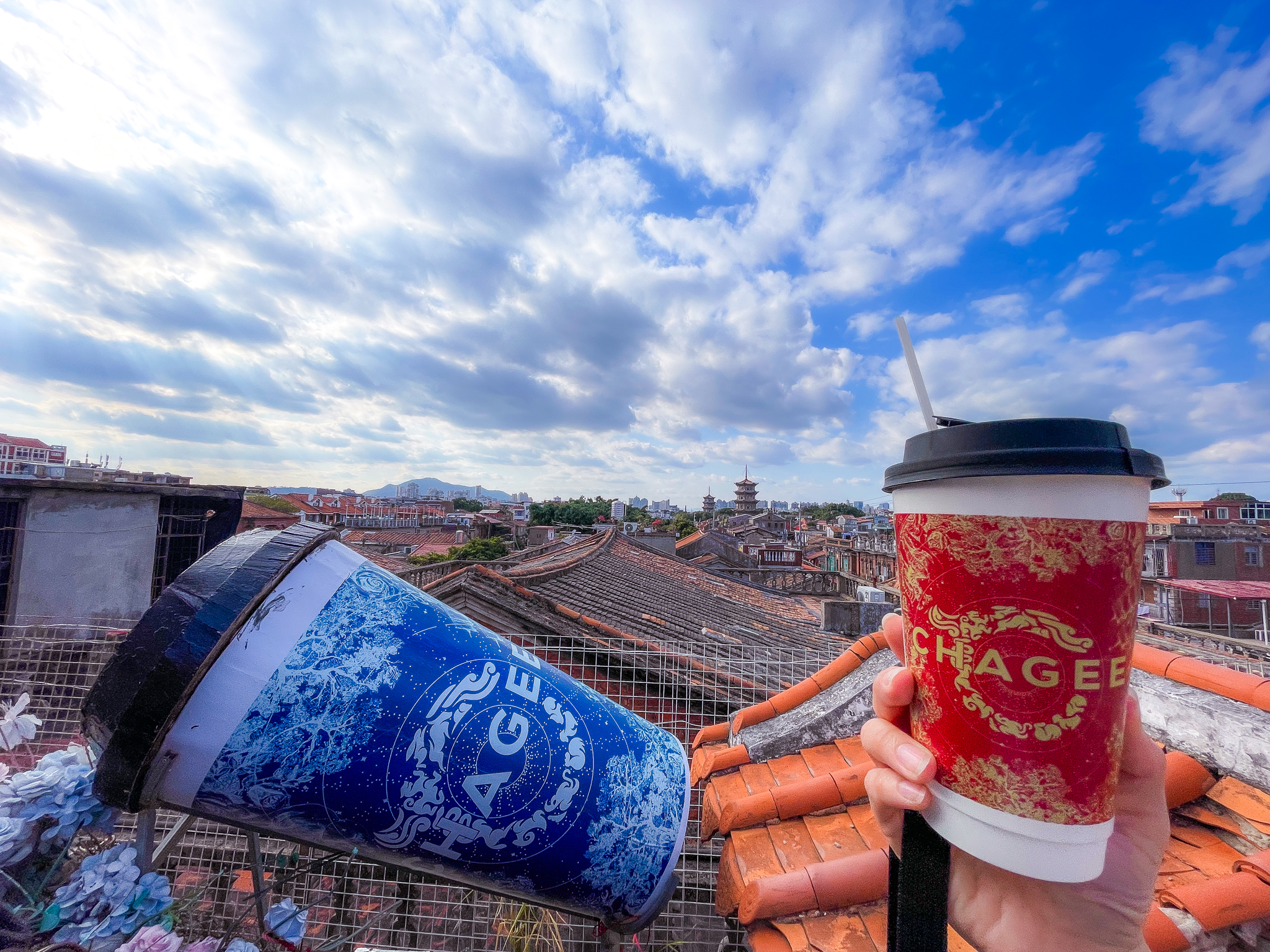
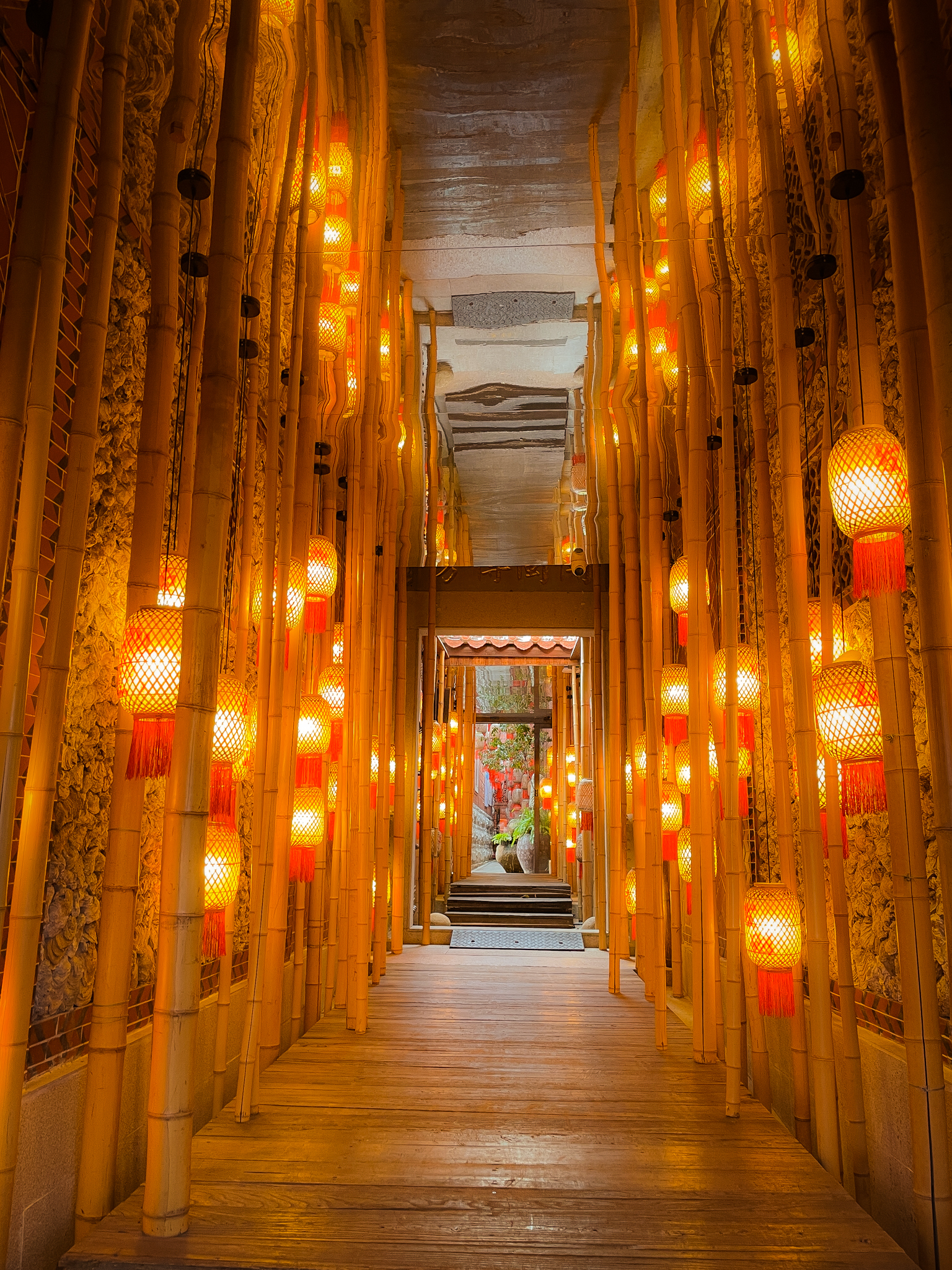
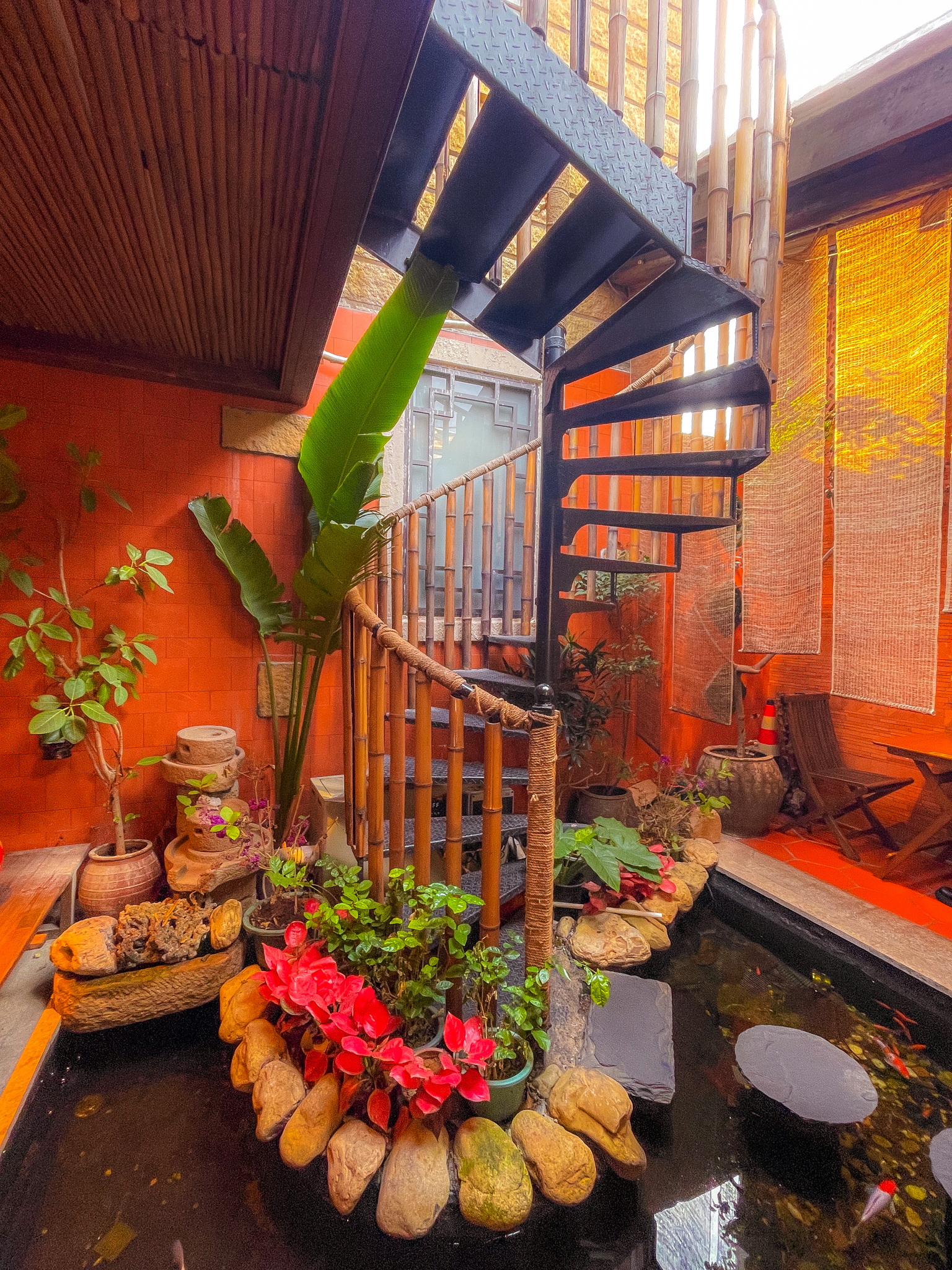
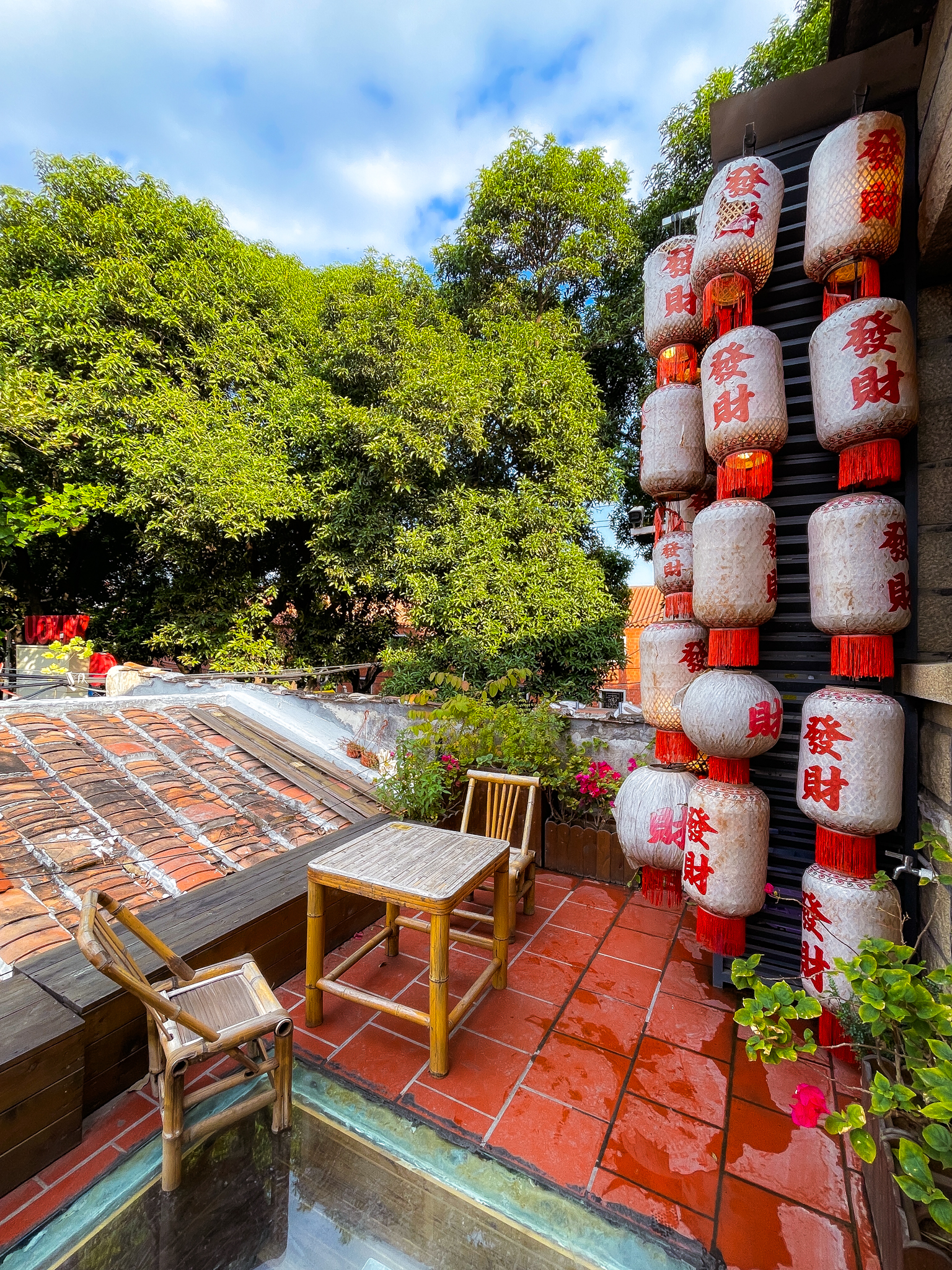
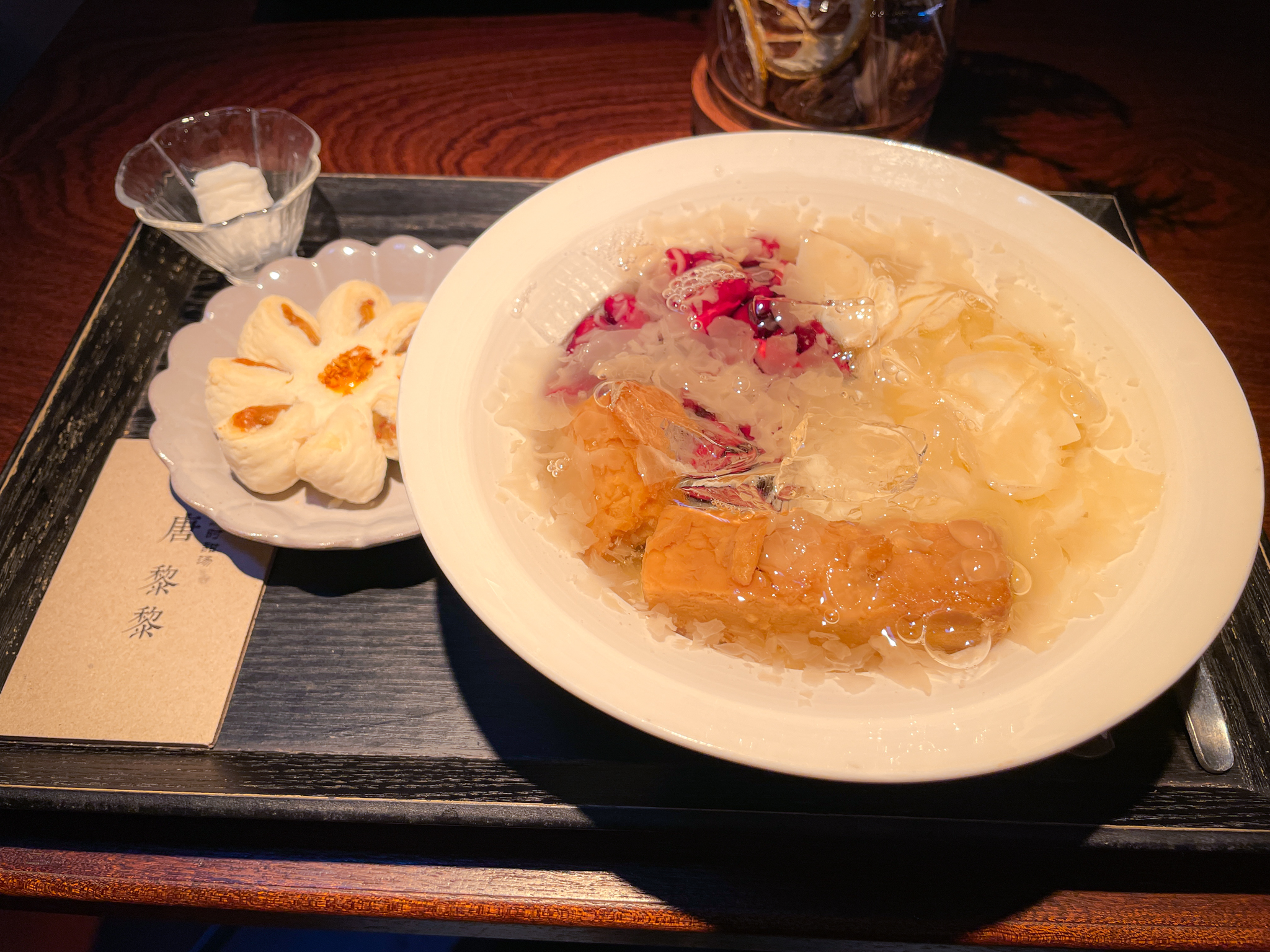
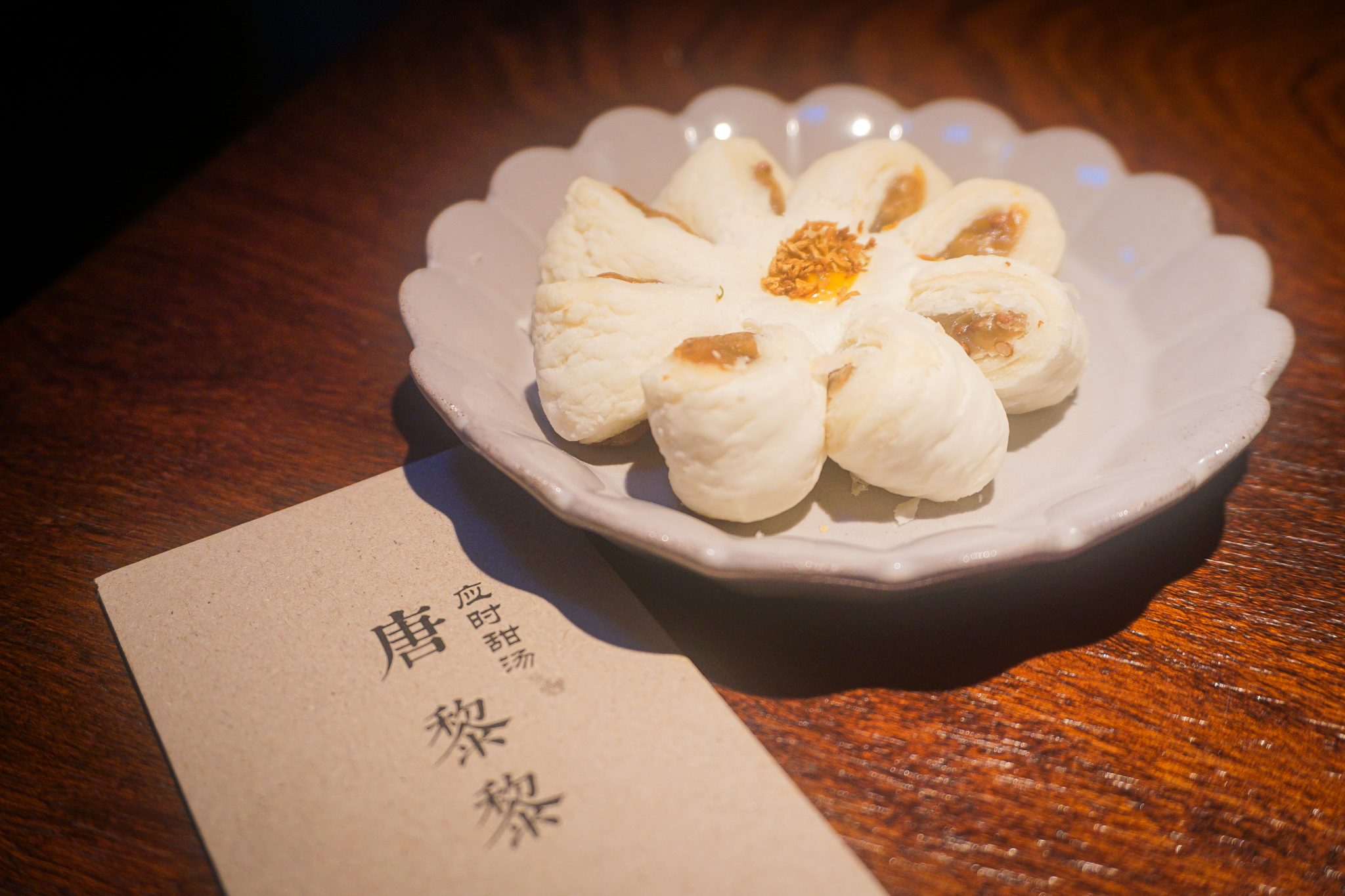
- Short and sweet story: These Dessert Correspondents are generally not a fan of “sweet soups” (糖水), largely because they don’t usually satisfy our sugar cravings. However, after a whole day of driving from Xiamen to Quanzhou, photographing little villages and ancient monuments from Xunpu Village (蟳埔村) to Wulin Village (梧林村) to Luoyang Bridge (洛阳桥), and navigating our way through bustling crowds at Quanzhou’s West Street (西街), we were simultaneously parched and starving. Stepping into Tang Lili was akin to stepping back into time – a serene teahouse where flower-shaped biscuits the size of one’s palm were served alongside wide bowls of sweet soup shimmering with white fungus, red dates, lotus seeds, lily bulbs, and goji berries. As with many tea shops in Quanzhou, do wander to the back of it — a swirling staircase takes you up to the rooftop for another hideaway refuge.

Dessert adventure checklist
- ☑ Dessert destination: Xiamen and Quanzhou, China.
- ☑ Budget: $-$$.
- ☑ Sweet irresistibles: Traditional and modern Chinese desserts.
- ☑ Travel notes:
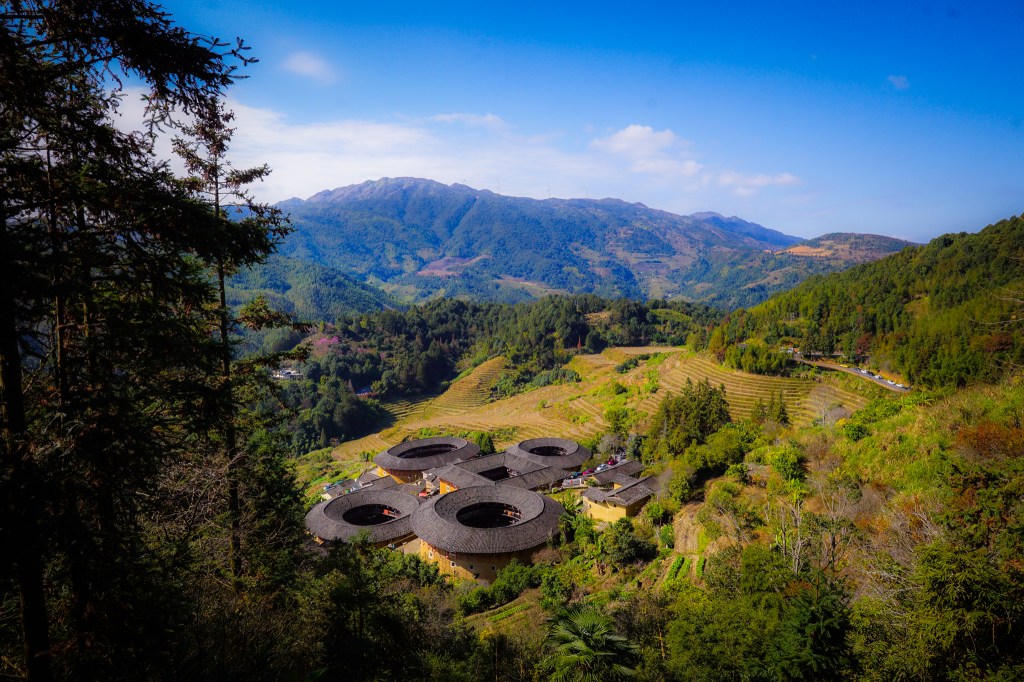
- How long? Xiamen is a very large modern city, whereas Quanzhou is slightly smaller with a more historic vibe. At minimum, spend two days in Xiamen and a day in Quanzhou, and factor in daytrips to the surrounding countryside too (such as to see the tulous (土楼) or the tea plantations in Anxi).
- When to visit? October-April. This avoids the humid summer months as well as typhoon season.
- How to get there? We took the high-speed rail train from Hong Kong to Xiamen, which was around 4 hours. From Xiamen to Quanzhou, it takes about 30 minutes by high-speed rail. We highly recommend China’s high speed rail network — far safer than Europe’s inter-country systems, and more modern and smoother than Japan’s Shinkansen.
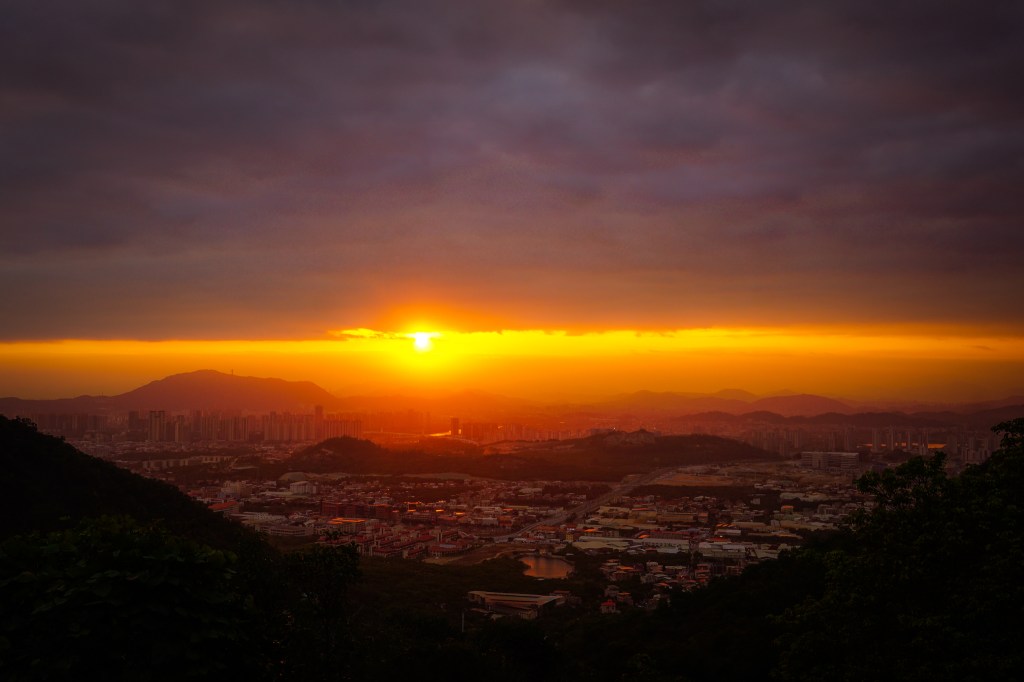
- Where to stay? For first time visitors to Xiamen, we recommend staying near Zhongshan Road for covenience to food and shopping and tourist hotspots. The Swiss International and the acclaimed heritage flair of Lujiang Harbourview are both good options. Incredible hotel breakfast buffets and sweeping sea views. 🙂 If you want to be closer to the high speed rail station and the more modern areas, Andaz is a good alternative. For Quanzhou, we l-o-v-e-d Mingshan Qingyuan hotel for a monastic mountain-top tea plantation retreat, and stunning sunset views of the city. See photo below.
- Pro tips? Make sure to pre-book tourist tickets to everywhere for Xiamen — Xiamen University, Nanputuo Temple, Gulangyu etc. We missed out on visiting the first because we didn’t know one could not just walk into the university campus. 😦
 Dessert Correspondents